Choosing the best types of construction subcontractors in 2026 is not simply a matter of comparing bids. A project’s location, schedule, building systems, and risk profile all shape which specialists matter most. A hospital may depend heavily on mechanical, electrical, plumbing, and fire-protection teams. A small renovation may need reliable drywall, roofing, and finish crews instead. The right fit is practical, not flashy.
Labor data offers useful signals, but it does not rank subcontractor businesses directly. The U.S. Bureau of Labor Statistics projects electrician employment to grow 11% from 2023 to 2033, and HVAC mechanic and installer employment to grow 9% over the same period. Both figures exceed the projected average for all occupations. These projections point to sustained demand for skilled trades, not guaranteed availability or project performance. The BLS Occupational Outlook Handbook is a useful reference; its figures cover occupations across the U.S., not every regional construction market. Small distinction. Big consequences.
This guide considers subcontractor types through the work they perform, the coordination they require, and the value they bring to different projects. It also draws on the Associated General Contractors of America’s 2025 Construction Hiring and Business Outlook, which reports contractor perspectives on hiring and business conditions. A Construction Subcontractor should be assessed on more than price: look at relevant experience, safety practices, workforce capacity, references, and communication. A polished proposal can still miss the mark. The sections ahead compare key trades and explain where each one fits, so owners and contractors can make more informed choices for 2026.
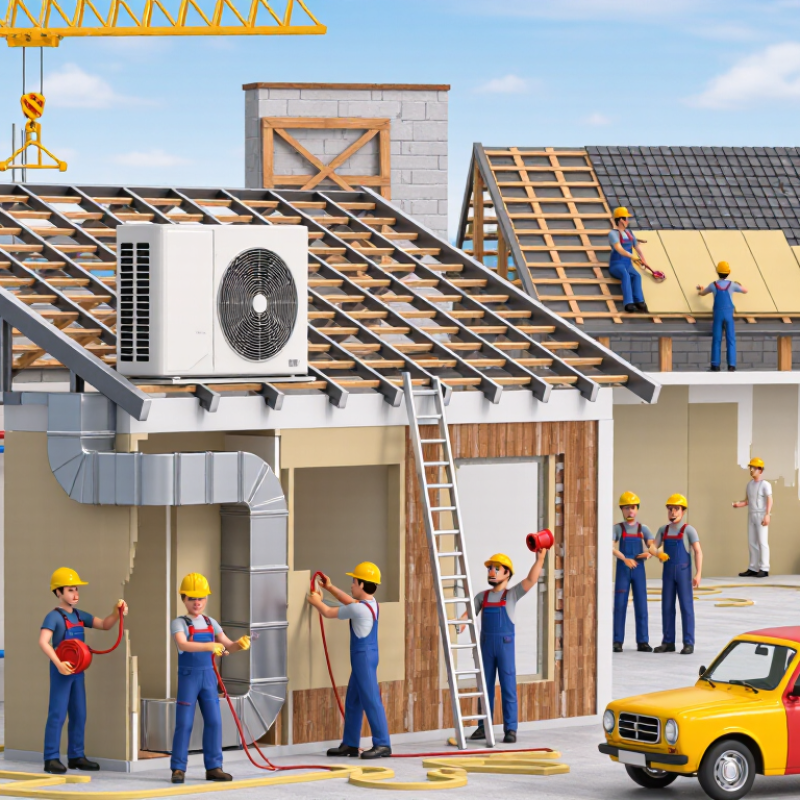
In 2026, construction subcontractors support projects by turning plans into specialized, coordinated work. Concrete crews prepare foundations, electricians install wiring, and HVAC teams fit equipment to real site conditions. Their expertise helps general contractors manage complex schedules without expecting one crew to master every trade. The details matter: a sleeve placed before a concrete pour can prevent costly drilling later.
Coordination increasingly depends on shared schedules, digital drawings, and timely field updates. A plumbing foreperson might flag a pipe route that conflicts with a beam before walls close. That early note can protect both the timeline and the finished work. Still, software cannot replace a clear conversation at the site gate. Teams need current drawings, named contacts, and realistic time to review changes. Small gaps matter.
Reliable subcontractors also document inspections, material deliveries, and completed work. Those records help project teams track quality and resolve questions while details are fresh. Safety planning is part of the work, too: crews should understand access routes, lifting plans, and changing hazards before tasks begin. Even careful teams miss things sometimes. A delivery may arrive late, or a drawing may not reflect a field condition. Honest reporting and prompt coordination help limit the impact, though they cannot make every delay disappear.
How construction subcontractor trades support projects: projected U.S. employment growth for selected construction occupations, 2023–2033.
Electricians and HVAC technicians are among the fastest-growing trades shown, reflecting the ongoing need for electrical, climate-control, plumbing, and building-envelope expertise across construction projects. These figures are employment projections for occupations, not forecasts of subcontractor market share.
Source: U.S. Bureau of Labor Statistics, Occupational Outlook Handbook, 2023–2033 employment projections.
Sitework subcontractors turn drawings into ground that can carry a building. Before excavation, they verify utility locations, soil conditions, drainage paths, access, and haul routes with the project team. This work is easy to overlook until a misplaced storm line forces rework beneath finished paving. Small errors compound. The U.S. Census Bureau reported that construction spending reached $2.15 trillion in 2024, up 6.5% from 2023. That scale makes careful early coordination essential, but a busy schedule is not proof that site conditions have been fully checked.
Structural subcontractors build on that prepared base, installing foundations, reinforcing steel, concrete, or structural framing. Their sequence depends on accurate surveys, timely material deliveries, and clear handoffs with sitework crews. AGC’s 2024 workforce survey found that 94% of firms with open craft positions had difficulty filling them. Fifty-four percent reported project delays linked to labor shortages. These constraints make realistic crew planning part of structural quality, not just administration. A steel column set slightly out of position can complicate later connections. A concrete pour rushed before inspections can create avoidable risk. One caution: detailed plans still need room for field conditions. Good subcontractors flag uncertainties early, document changes, and keep the next trade informed.
Electrical, plumbing, and HVAC subcontractors turn plans into systems people depend on every day. Their work overlaps. A duct may compete with a cable tray. A drain needs a steady slope and cleaning access. These clashes are easier to resolve on coordinated drawings than above a finished ceiling. Small details matter. The U.S. Bureau of Labor Statistics projects 11% employment growth for electricians from 2023 to 2033. Its projections are 6% for plumbers and 9% for heating, air-conditioning, and refrigeration mechanics and installers. These are occupation-wide forecasts, not guaranteed subcontracting demand, but they make skilled-trade capacity worth planning early.
Energy performance raises the stakes. The U.S. Department of Energy’s Buildings Energy Data Book reports that buildings used about 74% of U.S. electricity in 2019. HVAC selection, controls, pipe insulation, and electrical commissioning can affect operating costs long after handover. A capable subcontractor checks equipment clearances, load assumptions, shutoff locations, and control sequences with other trades—not just the equipment list. Not glamorous. Yet a poorly placed valve can turn routine maintenance into ceiling demolition. One planning blind spot is treating commissioning as a final-day task; testing alarms and balancing airflow require time, access, and room to flag mismatches.
In 2026, roofing subcontractors do more than keep rain outside. They coordinate insulation, drainage, flashing, and rooftop equipment with the general contractor. On a flat roof, a poorly placed drain can leave water pooling after a storm. Experienced crews check slopes and seams before the membrane is covered. Small details matter.
Finish subcontractors shape how a building feels and performs. Drywall, flooring, paint, tile, and acoustic panels all depend on accurate measurements and clean sequencing. A floor installer may need to wait until wet trades finish and moisture readings are acceptable. Rushing that handoff can lead to lifted flooring or visible gaps. It happens.
Smart-building trades install and connect sensors, access controls, lighting systems, and building-management equipment. Their work needs early coordination with electrical and mechanical teams, not a last-minute cable run. Clear labeling and tested connections make later maintenance less of a guessing game. Still, digital plans can miss cramped ceiling spaces. A site walk often catches conflicts that drawings overlook. Subcontractor selection should weigh relevant project experience, trained crews, documented quality checks, and communication habits. The lowest bid may not account for careful commissioning or return visits. Those costs are easy to underestimate.
Choosing the right subcontractor starts with the project’s actual demands. A concrete crew may be ideal for a foundation, while a roofing team needs experience with the planned materials and pitch. Define the scope before requesting bids. Include drawings, finish expectations, access limits, and a realistic schedule. Small details matter.
Look beyond the lowest price. Ask for examples of comparable work, recent references, and the names of the people who will supervise the job. Confirm that the proposed crew has the skills and credentials the work requires. Ask how they handle changes, delays, and coordination with other trades. Clear answers are useful. Vague promises are not.
Compare bids line by line. One may exclude cleanup or equipment, making the total misleading. Check availability against key milestones, and ask how many projects the crew will handle at once. If possible, visit a current jobsite and observe how materials are stored and work areas are kept orderly. Even a careful review can miss something; schedules shift, and references may not reveal every problem. Put agreed scope, dates, and payment milestones in writing, then keep communication regular.
| Subcontractor Type | Typical Scope of Work | Best Fit for the Project | What to Verify Before Award | Key Coordination Considerations |
|---|---|---|---|---|
| Sitework and Excavation | Clearing, grading, excavation, trenching, site utilities, drainage, and preparation of building pads. | Projects requiring earthmoving, underground services, or significant site preparation. | Relevant licensing, equipment capacity, utility-location procedures, erosion-control experience, and familiarity with geotechnical reports. | Coordinate utility locations, survey control, soil conditions, temporary access, drainage, and the sequence for foundations and paving. |
| Concrete and Foundations | Formwork, reinforcing steel placement, concrete placement, foundations, slabs, and related finishing. | Projects with structural foundations, elevated slabs, retaining walls, or substantial cast-in-place concrete work. | Comparable project experience, formwork and placement capacity, quality-control procedures, workforce availability, and ability to follow structural drawings. | Confirm embeds, sleeves, anchor bolts, inspections, concrete testing, weather planning, and handoffs to structural steel or framing crews. |
| Structural Steel and Metal Fabrication | Fabrication and erection of structural steel, connections, stairs, railings, and other specified metal components. | Commercial, industrial, and institutional buildings with structural steel frames or custom metal assemblies. | Qualified welding personnel where required, fabrication quality controls, erection experience, shop-drawing process, and lifting plans. | Coordinate connection details, approved shop drawings, delivery and crane access, field measurements, and inspection requirements. |
| Framing and Carpentry | Wood or light-gauge metal framing, sheathing, blocking, backing, and related rough carpentry. | Projects with framed walls, partitions, roof structures, or extensive interior backing and support requirements. | Experience with the specified framing system, crew capacity, layout practices, and ability to coordinate openings and backing from current drawings. | Resolve wall layouts, door and window openings, structural interfaces, service penetrations, and backing needed for equipment and finishes. |
| Roofing and Waterproofing | Roof membranes or coverings, insulation, flashing, below-grade waterproofing, and specified moisture-protection systems. | Projects where weather resistance, roof performance, or below-grade water protection is a major construction requirement. | Experience with the specified system, trained installers where required, manufacturer-approved installation procedures, safety planning, and inspection documentation. | Coordinate roof penetrations, drainage, parapets, edge details, sequencing with mechanical equipment, and protection of completed work. |
| Electrical | Power distribution, wiring, lighting, grounding, emergency systems, and electrical connections to building equipment. | Nearly all building projects, especially those with complex power, lighting, controls, or backup-power requirements. | Required licenses, experience with the project type, staffing and supervision, safety record, and familiarity with applicable electrical codes and permit requirements. | Coordinate service requirements, equipment loads, conduit routes, ceiling space, openings, shutdowns, testing, and inspections. |
| Plumbing | Domestic water, sanitary and vent piping, storm drainage, fixtures, and specified plumbing equipment. | Projects with substantial plumbing systems, multiple fixture groups, process piping, or complex drainage requirements. | Required licenses, similar project experience, ability to interpret plumbing schedules and specifications, and testing and inspection procedures. | Coordinate underground rough-ins, sleeves, fixture locations, equipment connections, access panels, and conflicts with structure and other services. |
| HVAC and Mechanical | Heating, ventilation, and air-conditioning equipment; ductwork; piping; controls interfaces; and system start-up support. | Projects requiring conditioned spaces, ventilation, specialized environmental control, or complex mechanical systems. | Relevant licenses, experience with the specified equipment and system types, workforce capacity, commissioning support, and understanding of applicable energy and mechanical codes. | Coordinate equipment access, structural supports, duct and pipe routes, electrical connections, controls, testing, balancing, and commissioning. |
| Fire Protection | Sprinkler piping, fire pumps where specified, fire-protection equipment, and required testing and documentation. | Buildings requiring automatic fire-suppression systems under applicable codes, project documents, or authority requirements. | Required licenses and permits, design and installation experience, familiarity with review and inspection processes, and capacity to provide system testing records. | Coordinate approved layouts, ceiling conditions, water supply, penetrations, fire-alarm interfaces, inspections, and access for maintenance. |
| Drywall and Interior Finishes | Interior partitions, gypsum board, taping, joint finishing, ceilings, and specified paint or finish work. | Projects with extensive interior partitions, finished ceilings, or defined acoustic and finish-quality requirements. | Experience with specified assemblies and finish levels, quality-control practices, crew sequencing, and ability to protect completed surfaces. | Confirm framing readiness, in-wall inspections, backing, service access, ceiling coordination, moisture conditions, and finish transitions. |
| Glazing, Windows, and Storefront | Exterior windows, curtain walls, storefront systems, glazing, frames, and associated perimeter seals. | Projects with large glazed areas, custom openings, or performance requirements for air, water, thermal, or safety glazing. | Experience with the specified system, shop-drawing and mock-up capabilities where required, field-measurement procedures, and installation quality controls. | Coordinate opening dimensions, structural tolerances, embeds, waterproofing transitions, access equipment, and protection during adjacent work. |
Selection reminder: Compare subcontractors using the project documents, applicable local codes, verified qualifications, schedule commitments, safety procedures, scope clarity, and references for comparable work. Requirements vary by project and jurisdiction.