Top Structural Contractor Trends to Watch in 2026?
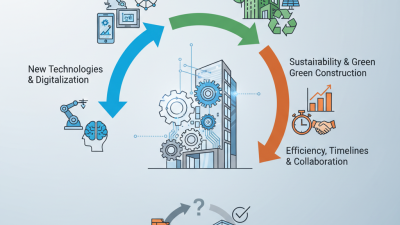
As the construction industry evolves, the role of the Structural Contractor is becoming increasingly significant. By 2026, various trends will shape how these professionals operate. Structural Contractors must stay ahead of technology advancements and sustainable practices. The integration of digital tools will redefine project planning and execution.
Moreover, client expectations are shifting. They demand transparent processes and innovative solutions. This shift challenges Structural Contractors to adapt their strategies and service offerings. It raises questions about current capabilities and the need for ongoing training.
Emerging market dynamics also require attention. Globalization brings new opportunities but adds complexity. Structural Contractors must navigate different regulations and cultural expectations. A proactive approach will be vital for success in this evolving landscape. Reflecting on these trends will provide insights into the future of Structural Contractors.

Emerging Innovations in Construction Materials for Structural Contractors by 2026
The construction industry is on the brink of transformation, driven by innovative materials. By 2026, sustainability will dominate structural contracting. Reports indicate that 30% of construction firms are already investing in eco-friendly materials. These materials not only reduce waste but also enhance energy efficiency. For instance, recycled steel and bamboo are gaining popularity. Such options can lower greenhouse gas emissions significantly.
Emerging technologies are also changing material choices. 3D-printed concrete allows for intricate designs and reduces labor costs. Studies show that structures using this method can be built 50% faster. Additionally, self-healing concrete is becoming a reality. This innovative material can autonomously seal cracks, extending the lifespan of structures. However, the cost of these advanced materials can be a point of contention.
As structural contractors embrace these innovations, challenges remain. The lack of standardized testing for new materials can complicate project approvals. Furthermore, not all stakeholders may be familiar with these advancements. As the industry evolves, staying informed will be crucial for success. The landscape of construction is changing, but with it comes the need for adaptation and learning.
Trends in Automation and Robotics in Structural Contractor Operations by 2026
As we approach 2026, the landscape of structural contracting is evolving rapidly, particularly through automation and robotics.
Many contractors are integrating robotics to enhance efficiency on job sites.
For example, robotic arms are taking over repetitive tasks like bricklaying and concrete pouring.
This shift not only speeds up construction but also reduces the risk of accidents.
Yet, the implementation of such technology is not without challenges.
Workers must adapt to new roles as machines take over traditional jobs.
Automation in structural contracting also involves cutting-edge software solutions.
Project management tools are becoming more sophisticated.
These tools can predict project timelines and resource needs with impressive accuracy.
However, the reliance on software can create vulnerabilities.
If systems fail, it could lead to delays and budget overruns.
Industry leaders must navigate this balance between tech integration and human oversight carefully.
While these innovations hold great promise, they also require a reassessment of workforce skills.
Existing workers may need retraining to work alongside advanced technologies.
It's essential for businesses to invest in training programs.
This approach helps to ensure that employees feel valued amidst rapid change.
As we look toward the future, the integration of automation will redefine roles but also raises significant questions
about labor dynamics in construction.
Data-Driven Decision Making: The Rise of AI in Structural Contracting by 2026
As we approach 2026, the impact of artificial intelligence on structural contracting is becoming increasingly evident. AI technologies are not just trends; they are transforming how decisions are made. By analyzing vast amounts of data, AI can offer insights that were impossible to obtain before. This shift enables contractors to assess risks in real-time. The information AI provides improves budgeting, scheduling, and resource allocation. It's all about precision in an industry where margins can be tight.
However, the integration of AI is not without challenges. Many contractors struggle with the initial investment in technology and the training required for staff. This uncertainty can make some hesitate to adopt AI solutions. Furthermore, dependency on AI raises questions about job displacement and skill gaps in the workforce. Balancing innovation with human expertise is crucial. Decision-makers must navigate the complexities of adopting new technologies while fostering a culture of continuous learning.
The future of structural contracting will be driven by those who can effectively merge human insight with AI capabilities. The reliability of data-driven insights can offer a competitive edge. Despite the hurdles, the potential to revolutionize project outcomes is too significant to ignore. The dialogue around AI's role will continue to evolve, challenging the industry to find harmony between tradition and innovation.
Sustainability in Structural Construction: Key Practices to Adopt by 2026
Sustainability is becoming crucial in structural construction. By 2026, adopting sustainable practices can improve efficiency and reduce environmental impact. The use of recycled materials is one key practice. This includes steel, concrete, and timber. Utilizing these can lower waste and save costs. It’s not just about materials; energy efficiency is vital. Constructing energy-efficient buildings helps reduce long-term energy use.
Additionally, consider integrating renewable energy sources. Solar panels and wind turbines can be part of new projects. These allow buildings to produce their own energy, minimizing reliance on fossil fuels. It’s important to assess the feasibility of these solutions, as not all projects may benefit equally. Collaborating with environmental engineers can provide insight into effective strategies.
However, there are challenges to implementing these practices. Initial costs can be high, discouraging some contractors. Resistance to change is another issue; traditional methods are comfortable for many. Addressing these challenges requires a shift in mindset. The future of construction may depend on how well the industry adapts to sustainability trends. It is essential to embrace innovation and continually evaluate the effectiveness of adopted practices.
The Impact of Prefabrication Techniques on Project Timelines and Costs by 2026
Prefabrication techniques are revolutionizing the construction industry, particularly for structural contractors. A report by McKinsey indicates that prefabricated components can reduce project timelines by up to 50%. This efficiency comes from offsite manufacturing, which allows for parallel workflows. By 2026, we may see a paradigm shift in how projects are scheduled and executed.
The cost-effectiveness of prefabrication is another crucial trend. According to the National Institute of Standards and Technology, using prefabricated elements can lead to a 20-30% reduction in labor costs. This reduction stems from fewer onsite labor hours and a decrease in material waste. However, challenges remain. Integration of prefabricated components into traditional workflows can be tricky. Existing teams may need retraining, which could slow initial implementation.
Looking ahead, the embrace of these innovative practices will require a rethinking of project management strategies. Structural contractors will need to adapt to new timelines and budgets created by prefabrication. In the rush to adopt these methods, there's a risk of oversimplifying the process. This could lead to quality control issues, undermining the benefits that prefabrication can provide.
Top Structural Contractor Trends to Watch in 2026