Why Choose Solar Water Well Systems for Your Sustainable Needs?
As environmental concerns rise, sustainable solutions are more critical than ever. One promising option is the Solar Water Well system. This innovative technology harnesses the sun's energy to power well pumps, providing an efficient and eco-friendly water supply. Such systems are essential for off-grid homes and agricultural applications, ensuring access to clean water without depleting natural resources.
Choosing Solar Water Wells not only reduces reliance on fossil fuels but also lowers operational costs. These systems are designed to endure, making them a reliable choice for various environments. However, potential users must consider factors such as installation costs and local climate conditions.
Solar Water Well systems offer a balance of sustainability and practicality. Yet, as with any technology, they come with challenges. Understanding these aspects thoroughly is vital for making informed decisions. Embracing solar solutions can lead to a greener future, but awareness of their limitations enhances their effectiveness.
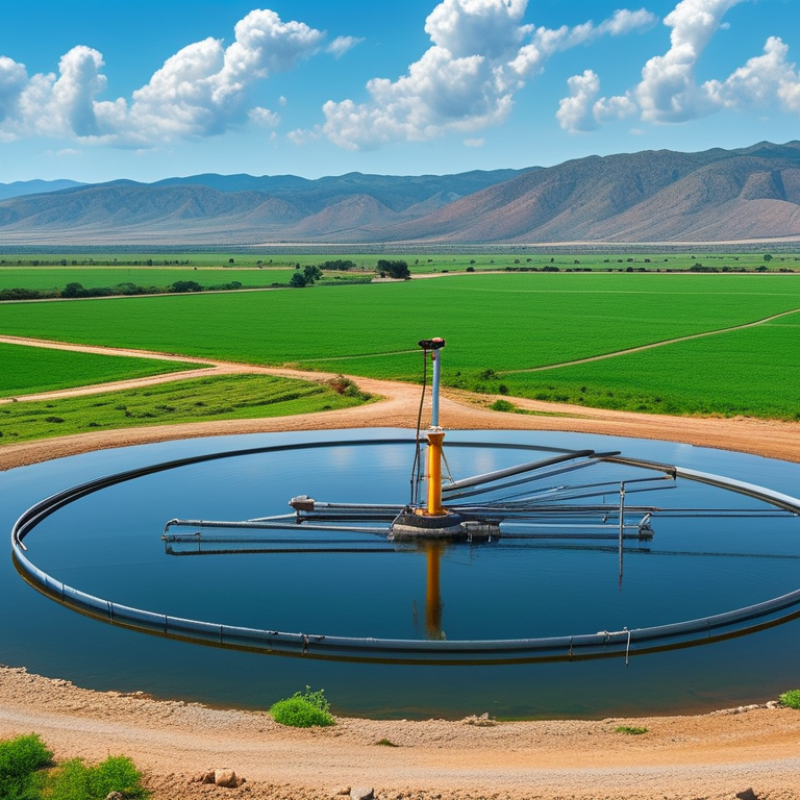
Benefits of Solar Water Well Systems for Sustainable Living
Solar water well systems are becoming increasingly popular for sustainable living. These systems harness solar energy to pump water from underground sources. According to the U.S. Department of Energy, over 30% of rural households rely on groundwater. This makes efficient water access crucial for sustainability.
One key benefit of solar water well systems is their reduction of operating costs. Traditional electric pumps can be expensive to run. In contrast, solar-powered systems utilize renewable energy, cutting energy costs by up to 80%. Additionally, the Global Renewable Energy Report indicates that the use of solar technology in water systems is projected to grow by 15% annually.
Adopting solar water well systems also contributes to environmental resilience. They minimize greenhouse gas emissions, showcasing a commitment to cleaner living. However, the initial installation cost can be a barrier. It’s vital to weigh the long-term benefits against these upfront investments. Not every region may benefit equally from solar technology due to varying sunlight exposure. Evaluating local resources is necessary for success.
Benefits of Solar Water Well Systems for Sustainable Living
How Solar Water Well Systems Work: An Overview
Solar water well systems are innovative solutions for sustainable water management. They harness solar energy to power pumps that draw water from deep underground. By utilizing solar panels, these systems convert sunlight into electricity, enabling you to access clean water efficiently. This process is environmentally friendly and reduces reliance on traditional power sources.
While solar water well systems seem straightforward, understanding how they work can help optimize your setup. The solar panels generate energy during the day, storing excess for later use. A charge controller protects the battery from overcharging, extending its lifespan. The pump draws water when needed, connecting directly to your well. It’s simple yet effective.
**Tip:** Regularly check your solar panels for dust and debris. Clean panels are essential for optimal energy production.
Consider the installation location carefully. Shade from trees can reduce efficiency. Choose an area with ample sunlight for best results.
**Tip:** Monitor the water output regularly. If you notice a drop, it might mean the pump needs attention. Early detection can save you money on repairs later.
Environmental Impact of Solar Water Well Systems
Solar water well systems are becoming increasingly popular for their low environmental impact. They harness renewable energy, reducing reliance on fossil fuels. Using solar power for water extraction minimizes greenhouse gas emissions. This choice plays a significant role in combating climate change.
While solar systems are effective, they aren't flawless. Initial installation costs can be high, and they require adequate sunlight. Poor solar performance can lead to insufficient water supply. It’s crucial to assess the location and energy needs before investing in a system.
Tip: Regular maintenance can enhance the efficiency of your solar water well system. Clean solar panels regularly to maximize sunlight absorption. Also, monitor water yield to ensure that the system meets your needs effectively.
Another aspect to consider is battery storage. Solar systems can produce excess energy during sunny days, which can be stored for later use. However, selecting the right battery can improve reliability, even through cloudy conditions. Understanding these factors enables better decision-making for a sustainable water supply.
Cost-Effectiveness of Solar Water Well Systems Over Time
Solar water well systems present an attractive option for sustainable water sourcing. Over time, these systems can yield significant cost savings. Initially, the investment may seem high, but the reduction in operational costs gradually justifies the expense. By harnessing solar energy, users can eliminate or significantly reduce their electricity bills tied to traditional pumps.
Additionally, maintenance costs of solar water well systems tend to be lower compared to conventional systems. Fewer moving parts mean less wear and tear. Users often report savings on both energy and maintenance after just a few years. However, the system's effectiveness can vary based on local sunlight availability. This variability requires careful planning and assessment, which can be a hurdle for some.
Environmental benefits also tie into cost-effectiveness. Solar water systems do not rely on fossil fuels, thus reducing carbon footprints. Users often find that this dual advantage of saving money and enhancing sustainability is highly appealing. Yet, it's crucial to consider site-specific factors such as seasonal fluctuations in sunlight. Achieving optimal performance might require adjustments and regular assessments.
Applications of Solar Water Well Systems in Various Regions
Solar water well systems are becoming essential across various regions, especially where traditional power sources are unreliable or expensive. In rural areas, these systems provide a sustainable water supply for agriculture and livestock. According to the International Renewable Energy Agency, solar-powered wells can reduce operational costs by up to 80%. This significant saving is especially valuable for farmers in developing regions.
Urban applications are rising as well. Many cities are implementing solar water systems to support community gardens and parks. These projects not only enhance local greenery but also promote eco-friendly practices. A study highlighted that cities integrating renewable energy solutions can expect a reduction of their carbon footprints by approximately 40%.
Tips: Always assess the solar potential of your area. Local sunlight exposure directly affects system efficiency. Additionally, consider local regulations affecting installation. Lastly, invest in quality components, as they substantially impact system longevity and reliability.