
×

What Are Butterscotch Cookies Made Of?

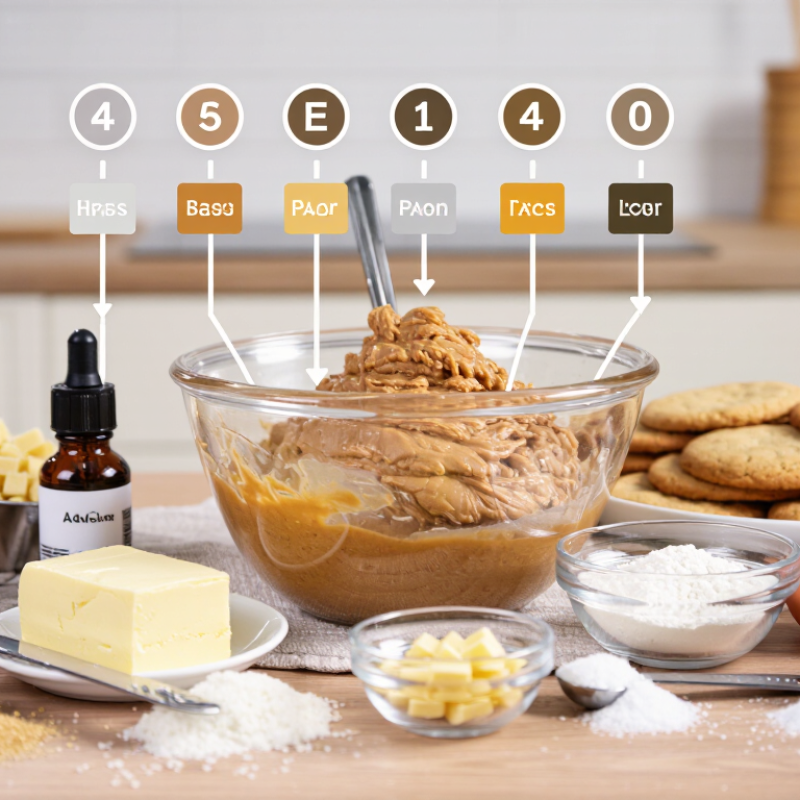
Butterscotch Cookies are built around a warm, buttery flavor, often created with brown sugar, butter, and vanilla. In many recipes, all-purpose flour gives the dough structure, while eggs bind the ingredients and help the centers stay tender. Baking soda may add lift and encourage browning. A pinch of salt keeps the sweetness from feeling flat. Some bakers add butterscotch chips; others rely on brown sugar alone. That difference matters. “Butterscotch” describes a flavor, not one fixed cookie formula.

Reliable ingredient data helps explain why the dough can taste so rich. USDA FoodData Central lists generic butter at about 717 calories per 100 grams, all-purpose flour at about 364, and brown sugar at about 380. These are ingredient values, not nutrition estimates for a finished cookie. Portion size, recipe ratios, and baking losses change the result. The database is useful for comparison, but it cannot tell you whether a cookie will be chewy or crisp. That takes a closer look at the method.

This guide explores what goes into the dough, how each ingredient affects texture, and where optional additions fit. Expect practical details, not a single “perfect” recipe. Small changes in sugar, chilling time, or bake time can shift the result. And even careful measurements leave room for variation.
What Are Butterscotch Cookies Made Of?

Core Ingredients in Butterscotch Cookies

Butterscotch cookies are built from familiar baking ingredients, with brown sugar providing much of their signature flavor. Its molasses notes add a warm, caramel-like taste and help keep the centers tender. Butter contributes richness and carries the butterscotch aroma through the dough. Softened butter blends evenly with sugar, while melted butter can make cookies spread more. The difference is noticeable.

All-purpose flour gives the dough structure, and eggs bind the ingredients while adding moisture. A small amount of baking soda helps the cookies rise and brown; too much can leave a soapy aftertaste. Vanilla rounds out the sweetness, and salt keeps the flavor from becoming flat. Measure carefully, but don’t expect every batch to look identical.

Butterscotch chips or chopped butterscotch pieces are common additions, though they are not essential. Chips create concentrated, sweet pockets, while smaller pieces spread their flavor more widely. For a less sweet cookie, reduce the chips rather than removing the brown sugar, since sugar also affects texture. I find this balance easy to misjudge. Taste the dough cautiously, then bake a test cookie if the dough seems unusually soft or dry. A few minutes of cooling also matter: warm cookies can seem softer than they will be once set.

How Brown Sugar Creates Butterscotch Flavor

Butterscotch cookies usually combine butter, flour, eggs, salt, vanilla, and brown sugar. Brown sugar does more than sweeten: its molasses gives dough a warm, toffee-like aroma and a slight tang. That flavor comes through clearly when a cookie’s edge turns golden while its center stays soft. A pinch of salt helps keep the sweetness from feeling flat.

USDA FoodData Central lists about 97 grams of sugars per 100 grams of brown sugar. That high sugar content helps cookies spread and brown, while brown sugar’s moisture can keep the crumb tender. During baking, heat drives browning reactions between sugars and proteins; molasses also contributes its own deep, cooked-sugar notes. The flavor is layered, not simply “caramelized.” That matters. Too much brown sugar can make cookies overly soft or sweet, and the result depends on how firmly it is packed. Look for a glossy, amber edge and a center that still yields slightly. A little goes far. Food composition varies by entry and product, so the USDA figure is a useful reference, not a promise about every bag.

The Roles of Butter, Flour, Eggs, and Leavening

Butter gives butterscotch cookies much of their richness and tender texture. When softened butter is creamed with sugar, the mixture traps tiny air pockets that help the cookies bake evenly. Melted butter works too, but often produces a denser, chewier cookie. The difference is easy to miss until you compare the edges: one batch may spread into thin, crisp rims. Butter also carries the warm flavor of brown sugar, though too much can make a cookie greasy.

Flour provides structure. Its proteins form gluten when mixed with liquid, so stirring longer than needed can make cookies tough. Eggs help bind the dough, add moisture, and set the centers as they bake. A large egg can noticeably change a small batch, so measuring matters. Leavening, usually baking soda or baking powder, affects lift and spread; the choice depends on the recipe’s other ingredients. Baking soda can encourage browning, while baking powder often gives more lift. Watch the first tray closely. Cookie dough is less predictable than it looks, and oven temperatures vary.

Common Mix-Ins and Ingredient Variations

Butterscotch cookies usually start with butter, brown sugar, flour, eggs, and vanilla; the add-ins shape their texture and sweetness. Chopped pecans or walnuts bring a toasted, slightly bitter edge that can balance the caramel-like dough. USDA FoodData Central lists pecans at about 691 calories per 100 grams, so a generous handful changes the cookie’s richness as well as its crunch. Keep the pieces small. Large chunks can make thin cookies break when lifted.

Chocolate chips, shredded coconut, oats, and dried fruit are common variations. Semisweet chocolate softens the dough’s sweetness, while tart dried cranberries add chew and contrast. For a more delicate cookie, use fewer mix-ins and fold them in gently, stopping once they are evenly scattered. A test batch may still spread unevenly; butter temperature and dough chilling both matter. USDA FoodData Central lists butter at about 717 calories per 100 grams, though the amount in each cookie depends on the recipe and portion size. A pinch of flaky salt can sharpen the buttery flavor, but it is easy to overdo. My less-than-perfect batch taught me that.

What Are Butterscotch Cookies Made Of?

A typical batch uses flour, butter, sugars, and butterscotch chips. Chocolate chips or chopped nuts are common optional add-ins. Amounts vary by recipe; this chart shows illustrative quantities for one batch.

How the Ingredients Shape Cookie Texture and Taste

Butterscotch cookies get much of their flavor from brown sugar and butter. Brown sugar brings sweetness and a gentle molasses note. Its moisture also helps the centers stay soft. White sugar adds a cleaner sweetness and encourages crisp edges. That contrast matters.

Butter contributes richness and carries the caramel-like flavor through each bite. Melted butter often makes cookies denser and chewier, while softened butter beaten with sugar traps air for a lighter crumb. Eggs bind the dough; an extra yolk can make it richer and softer. Flour gives the cookies structure, but too much can leave them dry. A little baking soda helps them spread and brown. Salt keeps the sweetness from tasting flat.

Vanilla rounds out the brown-sugar flavor, while butterscotch pieces add concentrated sweetness and a distinct, creamy bite. If the dough feels sticky, chilling it can slow spreading and deepen the flavor. The exact timing is easy to misjudge, since ovens vary. Watch the edges. A slight underbake usually leaves a tender center as the cookies cool on the tray.

What Are Butterscotch Cookies Made Of? — How the Ingredients Shape Cookie Texture and Taste
Ingredient What It Does Effect on Texture Effect on Taste
All-purpose flour Provides the structure of the cookie; its proteins form gluten when mixed with moisture. More flour or extra mixing can make cookies firmer or tougher; measuring accurately helps avoid a dry result. Has a mild, neutral flavor that lets the brown sugar and butter stand out.
Butter Adds fat and flavor, and helps carry the dough’s aroma. Softened butter can be creamed with sugar to incorporate air; melted butter often produces a denser, chewier cookie. Dough temperature also affects spreading. Contributes a creamy, rich flavor. Browning the butter adds toasted, nutty notes.
Brown sugar Sweetens the dough and contains molasses, which adds moisture and acidity. Its moisture-retaining properties generally help cookies stay soft and chewy; the exact result depends on the recipe and bake time. Gives the characteristic warm, caramel-like flavor associated with butterscotch cookies.
Granulated sugar Adds sweetness and helps cookies spread and brown during baking. Compared with brown sugar, it tends to promote a crisper edge; the balance between the two sugars influences the overall texture. Provides straightforward sweetness without the molasses notes of brown sugar.
Egg Binds ingredients; its proteins set as the cookie bakes, while the yolk adds fat and richness. Helps provide structure and tenderness. Changes to the amount of egg can noticeably alter how soft, cakey, or rich the cookie is. Adds mild richness without dominating the brown-sugar flavor.
Baking soda A leavening agent that reacts with acidic ingredients, including the molasses in brown sugar, producing carbon dioxide. Helps cookies rise and spread, contributing to a tender interior and browned surface. Usually adds no intended flavor when correctly measured; too much can leave an unpleasant alkaline taste.
Vanilla extract Adds aromatic flavor to the dough. Used in the small amounts typical of cookie recipes, it has little effect on texture. Rounds out the sweetness and complements the buttery, caramel-like notes.
Salt Balances sweetness and enhances the other flavors. A small amount has little direct effect on texture. Makes the buttery and brown-sugar flavors taste more pronounced.
Butterscotch chips (optional) Add concentrated pockets of sweet, butterscotch-style flavor. Stay as distinct soft or firm pieces depending on the ingredient and how long the cookies cool. Increase sweetness and intensify the cookie’s caramel-like flavor.