
×

What Are Aluminum Clad Windows?

Aluminum Clad Windows pair a wood or other interior frame with an exterior layer of aluminum. The aluminum shell helps shield the frame from rain, sun, and everyday wear. Inside, wood can provide a warmer appearance and a surface that accepts paint or stain. The exact materials vary by manufacturer. The idea is simple. But performance depends on more than the outer metal. Frame design, seals, glazing, drainage, and installation all influence how a window performs over time.

This guide explains what Aluminum Clad Windows are, how their construction differs from other window types, and what benefits and trade-offs to consider. It also looks at maintenance, energy performance, and common factors to check when comparing products. An aluminum exterior may reduce routine painting, but it does not make a window maintenance-free. It is tempting to treat the metal shell as a complete solution; it isn’t. Check the product specifications, warranty terms, and suitability for your climate rather than relying on appearance alone. Installation matters, too. A well-made window can still develop problems if water is not managed properly around the opening. Details matter. No single frame material suits every home, budget, or design goal. A careful comparison can help clarify the choice, though some details are easy to overlook.
What Are Aluminum Clad Windows?

What Defines an Aluminum-Clad Window: A Wood Core with an Aluminum Exterior

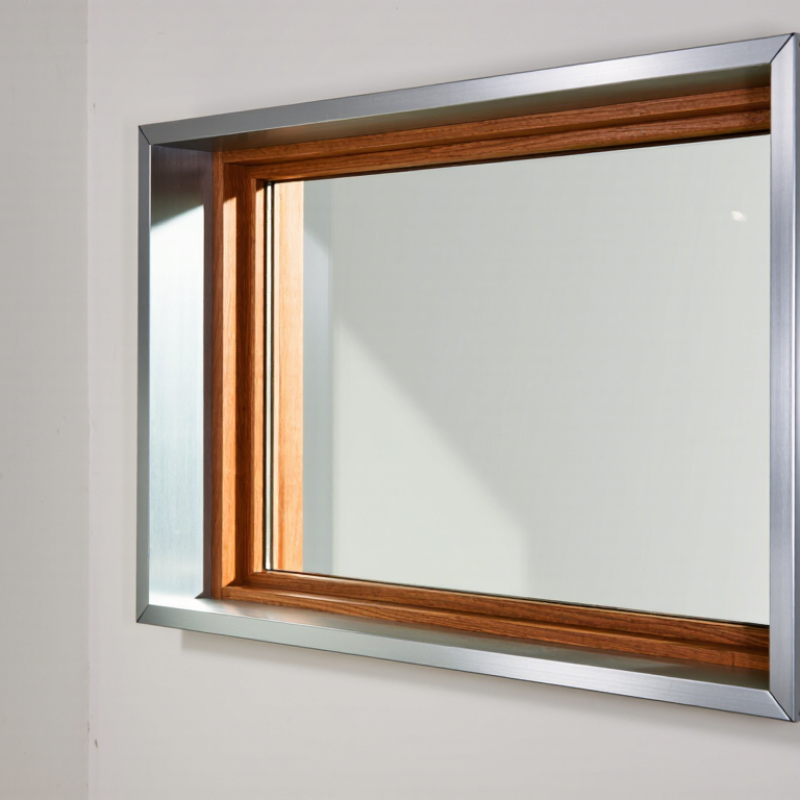
An aluminum-clad window has a wood frame on the interior and a formed aluminum covering on the exterior. The wood core supports the sash and frame, while the outer layer shields exposed surfaces from rain and sunlight. From indoors, the wood can be painted or stained to suit the room. Outdoors, the aluminum usually needs less frequent repainting than exposed wood.

The two materials do different jobs, but neither makes a window maintenance-free. Water can still reach joints if flashing or installation is poor. The wood may also be affected by persistent moisture or indoor condensation. Performance depends on the frame design, drainage details, glass, and how well the window fits the opening.

Tips: Look closely at the exterior corners and lower frame, where water collects. Ask how the cladding sheds water and whether the wood interior arrives finished. Keep seals and drainage openings clear. A small oversight matters. Check the manufacturer’s care instructions before cleaning; abrasive tools can mark the aluminum finish.

How Wood and Aluminum Compare: About 0.12 vs. 205 W/(m·K) Conductivity

Aluminum-clad windows pair a wood frame on the room side with an aluminum outer skin. Wood offers a natural interior finish, while aluminum protects exposed surfaces from rain and sun. The conductivity figures explain why this pairing deserves a closer look. Wood is often listed near 0.12 W/(m·K); pure aluminum is commonly cited near 205 W/(m·K). These are reference values, not guarantees. Wood species, moisture, grain direction, and aluminum alloy all affect the numbers. The difference is striking. Heat moves much more readily through aluminum than through wood.

On a frosty morning, an uninterrupted metal frame can feel cold indoors and provide a path for heat loss. But conductivity alone does not predict a whole window’s performance. Its U-factor also reflects frame design, thermal breaks, glazing, seals, and installation. In a well-designed clad unit, the aluminum sits outside, while wood and insulating barriers can limit heat flow inward. Check tested whole-window ratings, not just material figures. A thick-looking wood profile is not automatically efficient, and metal cladding does not make every frame poor. I may be simplifying things: actual assemblies vary. At a corner joint, the heat path can change within a few centimeters.

What Are Aluminum-Clad Windows? — How Wood and Aluminum Compare: About 0.12 vs. 205 W/(m·K) Conductivity

Aluminum-clad windows typically combine a wood frame on the room side with an aluminum exterior cladding. The comparison below describes the materials; whole-window performance also depends on frame design, glazing, seals, and installation.

Comparison dimension Wood frame material Aluminum cladding / material What this means for an aluminum-clad window
Typical thermal conductivity About 0.12 W/(m·K) is a representative value for dry wood; actual values vary by species, density, grain direction, and moisture content. About 205 W/(m·K) is a commonly cited reference value for aluminum; aluminum alloys vary, and many have lower conductivity than pure aluminum. Aluminum conducts heat far more readily than wood. The exterior cladding is usually a relatively thin component, but frame design and thermal breaks can affect heat flow through the window.
Thermal expansion Expansion and shrinkage vary with grain direction and moisture changes; movement across the grain is generally greater than along it. Aluminum’s linear thermal expansion coefficient is approximately 23 × 10−6 per °C. The materials respond differently to temperature and humidity. Cladding attachment and detailing need to accommodate movement.
Moisture response Wood can absorb or release moisture, causing dimensional changes. Keeping it protected and properly sealed helps reduce moisture-related damage. Aluminum does not absorb water like wood, though finishes, joints, and surrounding materials still need appropriate drainage and detailing. The exterior cladding helps shield the wood from weather exposure, while the wood interior remains a natural, moisture-sensitive material.
Corrosion and durability Wood can be durable when protected from prolonged wetting and maintained appropriately; its durability depends on species, finish, and exposure. Aluminum naturally forms a thin oxide layer. Corrosion can still occur in aggressive environments, and coatings can be scratched or damaged. Cladding offers an exterior protective layer, but good installation, drainage, and periodic inspection remain important.
Maintenance considerations The interior wood finish may need cleaning and eventual refinishing, depending on use, sunlight, and the finish system. The exterior surface generally needs routine cleaning and inspection; damaged coatings or joints should be addressed. Maintenance is often reduced on the weather-facing side compared with fully exposed exterior wood, but it is not eliminated.
Appearance and use Provides a natural interior surface that can be stained or painted. Provides a durable exterior surface available in varied colors and finishes. The combination is intended to provide a wood interior appearance with a weather-resistant exterior surface.
Window energy performance Wood’s relatively low conductivity can help limit heat flow through the frame material. Aluminum’s high conductivity can increase heat flow if it creates a continuous path from exterior to interior. Do not infer a window’s U-factor from material conductivity alone. Compare tested whole-window ratings, which account for the frame, glazing, spacers, and other design details.

Note: Conductivity and expansion figures are approximate material reference values, not guaranteed product specifications. Wood properties vary substantially, and aluminum-alloy properties depend on composition and temper.

How Glazing and Frame Design Affect NFRC-Rated Window Performance

What Are Aluminum Clad Windows?
How Glazing and Frame Design Affect NFRC-Rated Window Performance

Aluminum-clad windows typically combine a wood interior with an aluminum exterior. The outer layer helps protect the frame from weather, but it does not make the window maintenance-free. Glazing and frame design both influence the NFRC ratings shown for a complete window unit. Those ratings offer a useful comparison, not a guarantee of comfort in every home.

Check the U-factor, which measures heat transfer; lower values generally mean better insulation. The solar heat gain coefficient, or SHGC, indicates how much solar heat enters through the window. A lower SHGC can help limit summer heat, while some cold-climate rooms may benefit from greater winter sun. Low-emissivity coatings, multiple glass panes, and gas between panes can affect these results. Spacers at the glass edges matter, too. Small details count.

The frame matters as well. Aluminum conducts heat readily, so a thermal break can reduce heat flow through the frame. Compare whole-window ratings rather than glass-only claims; the frame and glazing work together. NFRC figures use standardized testing, but actual results also depend on window size, orientation, weather, and installation quality. A beautifully rated unit can still feel drafty if the opening is poorly sealed. Ratings are helpful, but they do not tell the whole story.

How Glazing and Frame Design Affect Window U-Factor

Lower U-factor means less heat transfer through the whole window. Multiple panes and low-e coatings can improve insulation, while frame construction also affects the result. Aluminum-clad windows typically have a wood or other insulating frame beneath the exterior cladding; thermal breaks matter when aluminum forms part of the frame. These approximate values illustrate general performance differences and are not product-specific NFRC ratings. Actual NFRC ratings depend on the complete window, its size, and its exact glazing and frame details. NFRC labels also report Solar Heat Gain Coefficient (SHGC), which describes how much solar heat enters.

What AAMA 2605 Specifies: A 4,000-Hour Salt-Spray Coating Test

Aluminum-clad windows pair a wood interior with an aluminum exterior. That outer aluminum often carries a factory-applied coating, which helps it resist weathering and corrosion. AAMA 2605 sets performance requirements for high-performance organic coatings on architectural aluminum. One notable measure is a 4,000-hour salt-spray test.

The test exposes coated metal samples to a controlled salt fog, typically with a deliberate scribe through the coating. Inspectors assess corrosion and coating damage after exposure.

Four thousand hours sounds like a direct promise of decades outdoors. It isn’t.

The chamber creates repeatable, harsh conditions, but it cannot reproduce every mix of sun, rain, coastal air, installation quality, or maintenance. Real settings vary.

Still, the result offers useful evidence about coating durability. Look for documentation showing that the coating system—not merely a similar color or finish—meets AAMA 2605 requirements. Pay attention to cut edges and hardware, too; those details can affect how well a window holds up.

Salt spray is only one part of the specification. A high test rating does not make poor installation disappear, and I would not treat it as a maintenance-free guarantee.

How to Compare Cladding Profiles, Glass Options, and Installation Requirements

Aluminum-clad windows pair a durable aluminum exterior with an interior frame, often wood. Compare cladding profiles by sightline, drainage shape, and finish—not appearance alone. A narrow profile can admit more daylight, but may offer less room for hardware or glazing. Check whether the frame includes a thermal break, which reduces heat transfer through the metal. Small details matter. Look for the National Fenestration Rating Council label: its U-factor indicates heat flow, while its Solar Heat Gain Coefficient measures admitted solar heat.

Glass choice depends on climate, orientation, and room use. Low-emissivity coatings and gas-filled insulating glass units can improve thermal performance, but the right combination varies by project. The U.S. Department of Energy’s Energy Saver guidance estimates that windows account for about

25–30% of residential heating and cooling energy use.

That figure makes careful comparison worthwhile, not automatic replacement. Installation matters just as much. Confirm rough-opening dimensions, flashing sequence, sill drainage, and the transition between window and wall insulation. Ask who handles air sealing and water management. A highly rated unit can still leak or underperform if the opening is poorly prepared. Not always. Review the project details before choosing.