
×

Top 10 Types of Mechanic Tool Boxes for Global Buyers?

Choosing the right Mechanic Tool Box is not simply a matter of size or appearance. Global buyers must compare storage capacity, drawer strength, mobility, security, and working conditions. A compact box may suit a mobile technician, while a rolling cabinet can support a busy workshop with heavier equipment.

This guide examines ten common types, including portable cases, rolling tool chests, modular systems, truck tool boxes, and stainless-steel cabinets. Each option serves a different purchasing goal. We will consider materials, load ratings, drawer mechanisms, wheel performance, corrosion resistance, and maintenance needs. These details matter when tools cross borders or face humid garages, dusty construction sites, and uneven floors.

Real-world selection is rarely perfect. A larger cabinet offers more storage but may increase shipping costs and handling difficulty. A lightweight case travels easily, yet its hinges and latches may wear sooner. Buyers should verify product dimensions, packaging protection, replacement-part availability, and supplier documentation before placing orders. Product claims also deserve careful checking. Marketing language can hide practical limits. Good decisions come from comparing specifications with actual workshop demands, not from choosing the most impressive-looking unit. Even experienced purchasers can overlook small issues, such as drawer clearance or wheel locks. That is why this overview focuses on usable evidence, trade-offs, and reliable purchasing questions for international buyers.
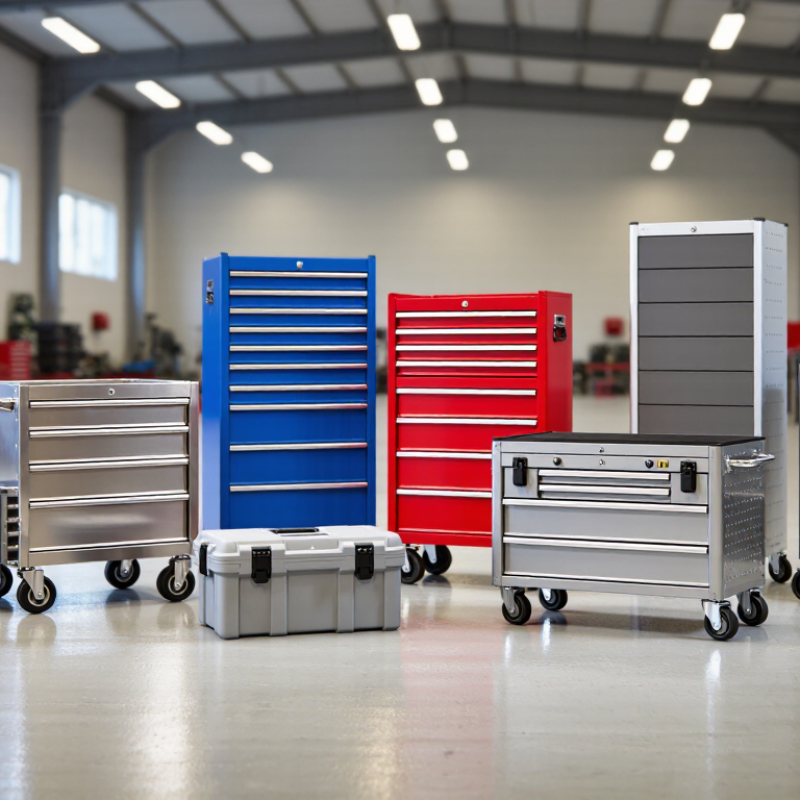
Top 10 Types of Mechanic Tool Boxes for Global Buyers?

Definition and Core Functions of Mechanic Tool Boxes

A mechanic tool box is a storage system designed to organize, protect, and transport tools used for vehicle and equipment maintenance. Unlike a simple container, it may include drawers, trays, cabinets, or a mobile frame. For global buyers, the definition also includes material quality, safety, capacity, and suitability for different working environments. That sounds simple.

Its core function is controlled access. A technician should find a socket, torque wrench, or diagnostic tool without moving loose equipment across the floor. Deep drawers hold power tools, while shallow compartments suit bits and fasteners. Dividers reduce shifting during transport. A lockable structure helps prevent unauthorized access, especially in shared workshops. Heavy-duty casters improve movement, but they must match the loaded weight and floor condition.

Protection is equally important. Powder-coated steel can resist daily abrasion, while sealed drawers help reduce dust and moisture exposure. Buyers should examine drawer slides, weld quality, handle strength, and stated load ratings. Measurements matter too; a box that fits one workshop may block another aisle. Small details matter. Still, no specification replaces practical inspection. Some boxes appear solid but flex under uneven loads, and this weakness may become obvious only after months of use. Careful buyers should compare working habits, climate, transport needs, and maintenance access before selecting a suitable type.

Portable Tool Boxes for Mobile Repairs and Field Service

Top 10 Types of Mechanic Tool Boxes for Global Buyers

Portable Tool Boxes for Mobile Repairs and Field Service

Mobile mechanics need storage that moves as quickly as the repair. A compact hand-carry box suits roadside inspections and small service calls. A rolling tool case works better when heavier sockets, meters, and power tools are required. Backpack-style tool bags leave both hands free during ladder or equipment access. Modular cases can separate diagnostic tools from daily repair equipment.

A strong portable box should resist dust, light rain, and repeated vehicle movement. Reinforced corners, secure latches, and removable trays improve field reliability. Drawers help organize fasteners, while foam inserts reduce tool movement and noise. For international buyers, check dimensions, empty weight, handle strength, and available replacement parts. These details often matter more than appearance. I have found that oversized boxes waste space in crowded service vehicles. Still, choosing too small a box creates frustrating tool shortages. No box is perfect.

Tips: Pack by repair frequency, not by tool category alone. Keep testing instruments in a protected compartment. Place gloves, labels, and spare batteries near the top. Check the box before departure. A loose latch can ruin a busy day. Choose wheels only when the working surface is reasonably smooth. Evaluate the handle with the box fully loaded, because comfort changes under real weight. Reserve one small section for unexpected parts; it will rarely stay empty.

Rolling Tool Cabinets for Organized Workshop Storage

Rolling tool cabinets turn a crowded workshop into a visible working system. Drawers keep sockets, torque wrenches, and electrical testers separated by function. Heavy-duty casters also move tools beside a vehicle or fabrication bench. In practice, a cabinet needs more than attractive steel. Buyers should check drawer load ratings, wheel diameter, locking quality, and corrosion protection. Small details matter. A shallow top drawer can save minutes during repeated repairs. A weak caster can damage the floor and interrupt work.

4.3% Grand View Research reports that the global hand tools market is expected to grow at about 4.3% annually through 2030. This growth supports demand for practical storage, especially in maintenance shops and mobile service areas. For global buyers, cabinet dimensions and packaging deserve equal attention. Metric fasteners, mixed tool sizes, and different workshop layouts can make a standard arrangement unsuitable. I have found that deeper drawers are useful, but they often encourage careless stacking. That weakens visibility and increases retrieval time. A better layout uses foam inserts, dividers, and clear labels. U.S. OSHA material-handling guidance also emphasizes stable storage and unobstructed working areas, useful principles for workshops worldwide. Buyers should still verify local workplace requirements and load limits before installation.

Truck-Mounted Tool Boxes for Automotive and Industrial Work

Truck-mounted tool boxes are a practical choice for automotive technicians and industrial maintenance crews. They keep sockets, torque wrenches, electrical testers, and fasteners close to the work area. Underbody boxes use space beneath the truck bed, while side-mount boxes provide faster access beside the vehicle. Cross-bed boxes offer deeper storage, but they can reduce visibility through the rear window.

Material selection matters in harsh working conditions. Powder-coated steel resists impact and heavy tools, while aluminum reduces vehicle weight and corrosion concerns. A reliable box should have reinforced hinges, weather-resistant seals, and a locking system that works with gloves. Drainage holes also help remove water after rain or washing. Small details matter.

I once arranged a service truck with deep compartments and wasted time searching for small adapters. The design looked efficient, but it was not. Shallow drawers, labeled trays, and removable dividers usually improve daily access. However, dividers can vibrate loose on rough roads, so technicians should test them under real driving conditions. Mounting hardware must match the truck frame, not just the box dimensions. Uneven installation may create noise, stress, or premature wear. Regular inspections should check bolts, seals, hinges, and sharp edges. A box can appear secure while slowly loosening. That deserves attention.

How to Choose the Right Mechanic Tool Box for Global Use

Choosing among the top 10 mechanic tool box types starts with the worksite, not the drawer count.

A rolling cabinet suits fixed workshops with smooth floors and heavy tools. A portable case works better for mobile technicians, though its capacity is limited. Modular boxes offer flexible growth, while drawer chests add organized storage above a bench. In my workshop evaluations, shallow drawers made sockets easier to identify. Deep drawers often became crowded. That small detail affects daily speed more than glossy appearance.

Global use adds tougher questions.

Check steel thickness, wheel quality, handle strength, and corrosion protection before ordering. Coastal humidity can attack untreated metal quickly. For long-distance shipping, confirm packed dimensions, net weight, and protective corner design. A box that fits a container may still exceed a worker’s safe lifting limit. Weight matters. Lockable drawers help control access, but a lock alone is not a complete security plan. Ask for load ratings tested under realistic distribution, not empty-box demonstrations.

Think about climate, maintenance, and local repair support.

Replaceable casters and standard fasteners can reduce downtime when parts are unavailable. Drawer slides should move smoothly after dust exposure, yet no mechanism stays perfect forever. Request material details, inspection records, and clear warranty terms from the supplier. Sample testing is worth the extra freight cost. I once favored maximum storage and regretted the added weight. A smaller box with labeled compartments may serve international crews better, especially when tools, workers, and roads change from site to site.