Top 10 Benefits of a Liquefaction Plant for Your Business?
In today's rapidly changing energy landscape, a Liquefaction Plant is becoming essential for many businesses. These facilities enable the conversion of natural gas into a liquid form. This process allows for easier transportation and storage, making it crucial for companies aiming to enhance their operational efficiency.
The benefits of integrating a Liquefaction Plant are numerous. For one, they reduce transportation costs and enable access to new markets. Furthermore, they help in maintaining energy security by diversifying supply sources. However, setting up such a plant requires a significant investment and careful planning. It involves navigating complex logistics and regulatory frameworks.
While the advantages might seem compelling, potential challenges remain. Companies must consider environmental impacts and sustainability issues. Effective management of these factors can lead to a successful operation, benefiting both the business and the community. Exploring the top benefits of a Liquefaction Plant can guide businesses in making informed decisions.
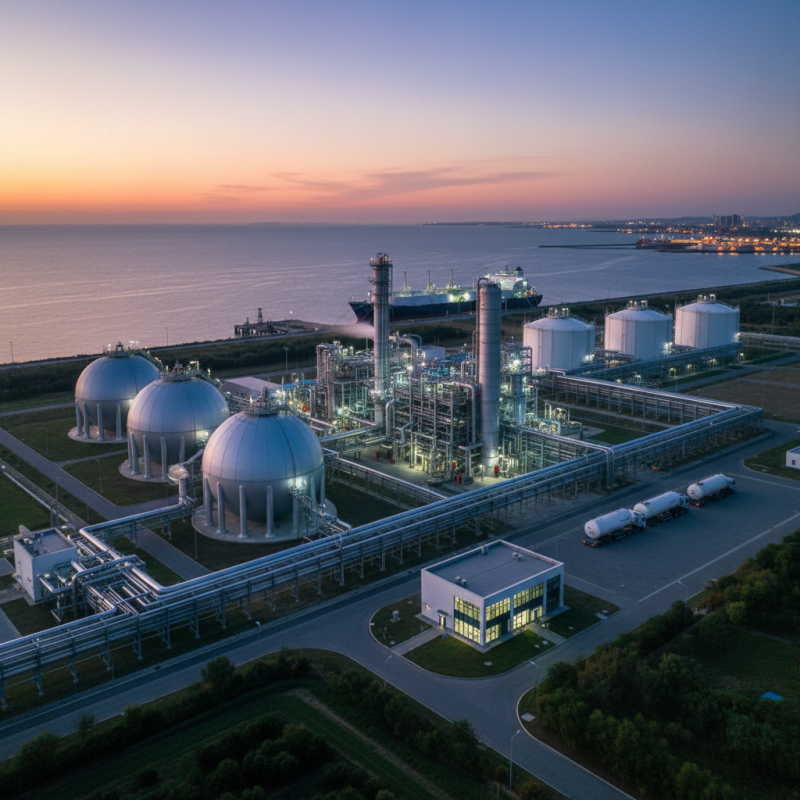
Key Advantages of Implementing a Liquefaction Plant
Implementing a liquefaction plant can bring transformative benefits to businesses in various industries. One key advantage is improved efficiency. According to a recent industry report, companies can see up to a 30% reduction in operational costs. This reduction arises from streamlined processes and reduced waste. Such efficiency not only boosts profit margins but can also enhance competitiveness in the market.
Additionally, liquefaction enables better energy utilization. The conversion of gases into liquid can free up energy resources. This can result in a 15% increase in overall energy productivity. However, these gains aren’t fully guaranteed. Companies must carefully assess their infrastructure and ensure they can handle the changes. Sometimes, the transition leads to unforeseen challenges like equipment upgrades or staff training needs.
Environmental benefits are another notable point. A liquefaction plant can lower carbon emissions significantly. Reports indicate a potential reduction of up to 20% in greenhouse gases. Yet, achieving these reductions requires constant monitoring and adherence to regulations. Companies may find they need to invest more in compliance than initially expected. Balancing profit with environmental responsibility remains a complex task.
Economic Efficiency: Cost Savings for Your Business
A liquefaction plant can enhance economic efficiency significantly. By converting natural gas into liquid form, these plants reduce transportation costs. According to a recent industry report, liquefied natural gas (LNG) can save companies up to 30% in shipping expenses. This savings can be pivotal for businesses dealing with large volumes of gas.
Tips: Analyze the lifecycle costs before investing. Understand the potential fluctuations in gas prices over time. It's essential to calculate the long-term savings.
Moreover, the technology behind liquefaction is improving. Recent innovations have reduced operational costs by up to 15%. However, businesses must remain cautious about initial setup expenses. These can be substantial and may require years to offset through savings.
Tips: Evaluate your local energy market conditions. Know your consumption patterns well. This knowledge can drive better decisions.
Overall, while the benefits are clear, businesses need to consider their specific circumstances. The potential for savings is impressive, but careful planning is vital. Embracing this technology might lead to a more efficient and cost-effective operation.
Enhancing Supply Chain Flexibility with Liquefaction Technology
Liquefaction technology is transforming supply chain flexibility. By converting gas into liquid, it minimizes transportation costs. This technology allows companies to transport larger volumes more efficiently. According to a recent industry report, liquefied natural gas (LNG) can reduce shipping emissions by up to 55%. This is crucial in today's climate-focused market.
Furthermore, having a liquefaction plant enhances responsiveness. It enables businesses to adjust quickly to market demands. Quick responses can improve profit margins significantly. However, the initial investment in liquefaction technology can be daunting. Many companies struggle with the upfront costs versus the long-term savings. Some firms may hesitate to adopt due to uncertainty about future market trends.
Data indicates that companies with liquefaction capabilities often experience a higher operational agility. In fact, 70% of businesses that adopted this technology reported improved supply chain efficiency. Yet, not all firms can realize these benefits due to inadequate infrastructure or lack of expertise. It’s essential to assess operational readiness before diving into such investments.
Environmental Benefits: Reducing Carbon Footprint through Liquefaction
Liquefaction plants present significant environmental advantages. One of the main benefits is the reduction of carbon emissions. By converting gases into liquids, they optimize space and reduce transportation needs. This ultimately lowers the carbon footprint associated with shipping and storage. Each step in the liquefaction process contributes to a smaller ecological impact.
Additionally, this technology encourages the use of renewable energy sources. Many liquefaction plants integrate solar or wind energy. This makes operations more sustainable and less reliant on fossil fuels. However, not every facility is implementing these changes. Some still depend heavily on traditional energy sources, which continues the cycle of pollution. It’s crucial to adopt greener practices to truly harness the potential benefits of liquefaction.
Investing in a liquefaction plant can be daunting and costly. The initial setup requires careful consideration and planning. While many companies may rush into establishing a plant, it’s essential to assess the long-term environmental impact and economic viability. A well-thought-out approach can yield tremendous benefits in reducing carbon footprint, but neglecting this can lead to more harm than good.
Top 10 Benefits of a Liquefaction Plant for Your Business
This chart illustrates the environmental benefits of a liquefaction plant, focusing on the reduction of the carbon footprint across various sectors in your business.
Improving Product Quality and Consistency in Liquefaction Processes
Improving product quality and consistency is crucial in liquefaction processes. A well-designed liquefaction plant enhances the purity of the final product. By automating tedious tasks, you reduce human error. This results in a more uniform product, which customers appreciate.
Inconsistencies can arise from several factors. Temperature fluctuations or material variations can impact quality. Regular monitoring can help you detect these issues early. Implementing a feedback loop within your operation can enhance consistency. Capture data on each batch to identify patterns or anomalies, refining your process over time.
Tips for maintaining quality include standardizing raw material sources and conducting routine equipment checks. Always keep an eye on process parameters. Sometimes, small adjustments make a big difference. Remember, attention to detail matters in producing high-quality products. Consistency comes from a commitment to improvement and reflection.
Top 10 Benefits of a Liquefaction Plant for Your Business
| Benefit | Description | Impact on Business |
| Improved Product Quality | Ensures consistent quality through controlled processing. | Enhances customer satisfaction and loyalty. |
| Enhanced Efficiency | Increases throughput and reduces waste in operations. | Improves profitability and operational margins. |
| Cost Savings | Reduces raw material usage and lower energy costs. | Maximizes return on investment. |
| Flexibility | Allows for easy adjustment of production parameters. | Adaptable to market demands. |
| Regulatory Compliance | Ensures adherence to environmental regulations. | Minimizes legal risks. |
| Sustainability | Utilizes resources more efficiently and reduces emissions. | Enhances corporate responsibility image. |
| Safety Improvements | Incorporates advanced safety features in operations. | Reduces workplace incidents. |
| Technology Integration | Facilitates use of cutting-edge technologies. | Boosts innovation and competitiveness. |
| Supply Chain Optimization | Improves logistics and inventory management. | Enhances overall operational efficiency. |
| Market Competitiveness | Strengthens position against competitors. | Increases market share and profitability. |