What Are the Top 10 Types of Exterior Home Renderings?
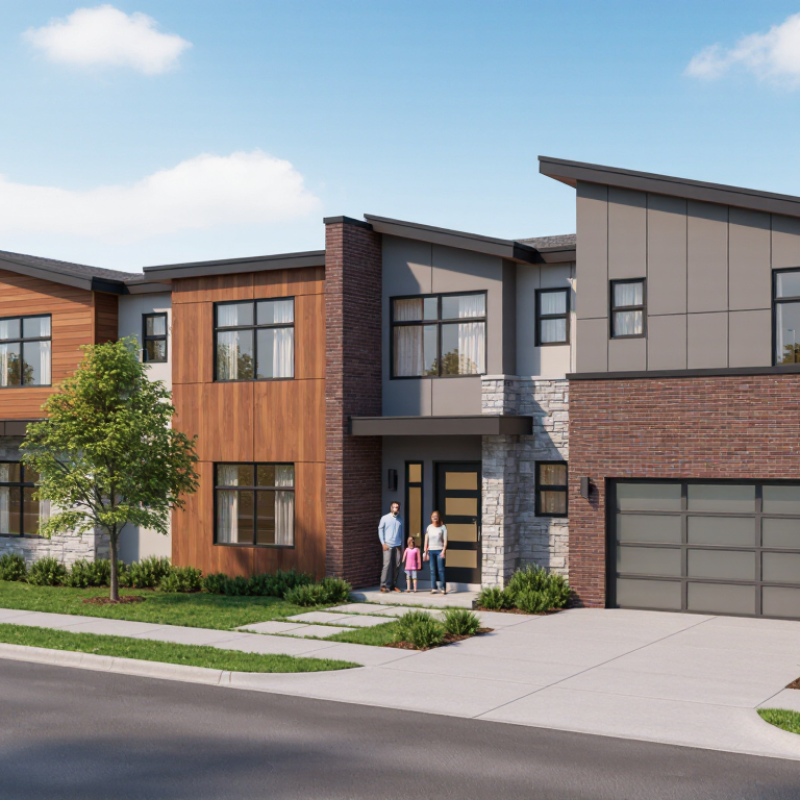
Exterior Home Renderings have become essential tools for architects, designers, builders, and homeowners. They transform drawings into realistic visual experiences before construction begins. A well-made rendering can show how brick, timber, stone, glass, and metal will work together. It can also reveal problems that flat plans often hide.
This guide explores the top 10 types of exterior home renderings. Each type serves a different design and communication purpose. A photorealistic rendering may support client approvals or marketing campaigns. A conceptual image may communicate mood, massing, and creative direction. Aerial views can explain site placement, gardens, driveways, and neighboring buildings. Street-level views often provide the clearest sense of scale.
Details matter. Window reflections should match the lighting direction. Roof shadows should fall naturally across walls and paving. Trees, fences, people, and vehicles can make a scene feel occupied, but poor placement may distort the design. Experience shows that attractive images are not always accurate ones. Sometimes, a highly polished rendering hides unresolved materials or drainage concerns.
That needs careful review.
The most reliable workflow combines architectural drawings, verified material references, site information, and professional visual judgment. It also includes feedback from clients and construction teams. Rendering software is powerful, but it does not replace design expertise. Mistakes happen, especially when reference images are incomplete. Comparing several rendering styles can expose those weaknesses early and support clearer decisions.
Mineral-Based Renderings: Cement, Lime, and Clay Options
Mineral-based renderings remain a practical choice for exterior walls, especially when durability and moisture control matter. Cement render is hard, affordable, and widely available. However, it can be too rigid for older masonry. Movement may create hairline cracks. Lime render stays more flexible and allows vapor to escape. It suits historic walls and damp climates when applied with compatible coats. Clay render offers a softer, natural finish, but it needs strong protection from driving rain.
The International Energy Agency reports that cement production creates about 7% of global carbon dioxide emissions. This makes cement-heavy specifications worth questioning, even when construction budgets are tight. The 2023 Global Status Report for Buildings and Construction also identifies buildings as responsible for roughly 37% of global energy-related emissions. Material selection cannot solve the whole problem, but it can reduce unnecessary replacement and repair.
Details decide performance. Eaves, drip edges, mesh, and crack-control joints often matter more than color. On site, I would test a small sample wall before approving a full application. Clay may look excellent under shelter, yet fail on an exposed elevation without careful detailing. Lime can underperform when mixed or cured poorly. Cement can protect a wall, but it may trap moisture behind the surface. There is no universal winner. The most reliable choice follows the wall’s age, exposure, movement, and local workmanship. Data from IEA and UNEP support lower-impact decisions, but project conditions still deserve honest review.
Acrylic and Polymer Renderings for Flexible Exterior Finishes
What Are the Top 10 Types of Exterior Home Renderings?
Exterior home renderings include cement, lime, mineral, clay, silicone, silicate, elastomeric, insulated, acrylic, and polymer systems. Acrylic and polymer renderings deserve special attention because they combine flexibility with strong colour retention. They can bridge minor surface movement and reduce visible cracking around window corners. This matters on homes exposed to freeze-thaw cycles, heat, or uneven substrates.
Grand View Research’s 2024 exterior wall systems analysis identifies energy performance and weather resistance as major market priorities. The U.S. Department of Energy also reports that air leakage can account for 25–40% of heating and cooling energy use in typical homes. Rendering cannot replace proper insulation or airtight construction. However, a well-detailed polymer finish can protect the wall surface and support longer maintenance cycles. I have found that texture often hides small surface defects better than a smooth finish. It can also expose poor preparation later.
Tips: Check substrate moisture first. Use compatible primers and reinforcement mesh. Request a sample panel in direct sunlight. Dark colours may absorb more heat. Follow the manufacturer’s tested thickness and curing time. ASTM standards and local building guidance should shape the specification.
Acrylic finishes usually offer broad colour choice and practical application. Polymer-modified renders may provide improved adhesion and flexibility. Yet flexibility is not unlimited. Movement joints, drainage details, and flashing still control performance. A beautiful finish cannot correct a badly designed wall.
Silicone and Silicate Renderings for Weather Resistance
What Are the Top 10 Types of Exterior Home Renderings?
Silicone and silicate renderings are strong choices for homes facing rain, wind, and changing temperatures. Silicone render forms a water-repellent surface while allowing water vapour to escape. This helps reduce damp patches on exposed walls. Its flexibility also supports minor movement and hairline cracks. However, it cannot correct serious structural damage.
Silicate renderings bond chemically with suitable mineral backgrounds, creating a durable, breathable finish. They often perform well on masonry and mineral insulation systems. Their matte texture can make a house look naturally integrated with its surroundings. Application requires careful preparation, stable weather, and skilled timing. A dusty surface or sudden rain can affect the final colour and adhesion. Neither system is magic. Even high-quality render can fail when detailing around windows, roof edges, and joints is overlooked.
Tips: Check the wall condition before choosing a finish. Ask for vapour-permeability data and water-absorption performance. Test a small area first. Observe it after rain and direct sunlight. Silicone may suit busy, exposed elevations with frequent splashback. Silicate may suit breathable mineral walls requiring a more natural appearance. Maintenance still matters. Inspect cracks, seals, and drainage every year. A small repair is easier than a full re-render. Reconsider assumptions when the building has rising damp, trapped moisture, or incompatible old coatings.
What Are the Top 10 Types of Exterior Home Renderings?
Indicative service-life comparison for common exterior render systems, with silicone and silicate renderings highlighted for their balance of weather resistance and vapour permeability.
Values show typical indicative service-life ranges in years under suitable installation and maintenance conditions. Actual performance depends on climate, substrate preparation, exposure, detailing, and coating quality.
Textured, Smooth, and Insulated Rendering Systems
What Are the Top 10 Types of Exterior Home Renderings?
Exterior rendering systems usually fall into three practical groups: textured, smooth, and insulated finishes. Textured rendering includes roughcast, pebble-dash, scraped, and floated surfaces. These finishes hide minor wall irregularities and create visible depth. Roughcast can suit exposed elevations, while scraped textures often produce a more controlled appearance. Pebble-dash is durable, but repairs may be difficult to blend. That matters.
Smooth rendering includes trowel-finished, sponge-finished, and polished cement-based surfaces. These systems give a clean, modern facade with fewer shadows. However, smooth walls reveal movement, uneven substrates, and poor preparation quickly. A small crack near a window can become visually obvious. Experienced applicators usually check moisture, movement joints, and background strength before applying coats. Skipping those checks creates avoidable failures.
Insulated rendering systems combine a fixed insulation layer with reinforced basecoat and decorative finish. Common insulation choices include mineral wool, expanded polystyrene, and rigid boards. They can reduce heat loss and improve surface comfort during cold weather. Yet thickness, ventilation, fire performance, and fixing methods require professional assessment. I would not select insulation from appearance alone. A sample board can also mislead, because sunlight changes color and texture throughout the day. In my view, the best finish balances local weather, wall condition, maintenance access, and the building’s original character. Even then, the choice may need reconsideration after a proper site inspection.