Top 10 Tips for Recycling Drink Cans Effectively?
Recycling is an essential practice that everyone should embrace. Among the most common recyclable items are Drink Cans. These metal containers are often discarded carelessly. However, properly recycling drink cans can significantly reduce waste and benefit the environment.
Many people underestimate the impact of recycling drink cans. Each can recycled saves energy and conserves materials. Yet, there's often confusion about how to recycle them correctly. In some cases, people forget to rinse their cans. Others may mix cans with non-recyclable waste. This can lead to contamination, making recycling efforts less effective.
Understanding the right way to recycle drink cans is crucial. We can all do our part to ensure these resources are reused. With just a few simple steps, everyone can contribute to a cleaner planet. Embracing these tips can help streamline the recycling process and increase awareness. Caring for our environment through responsible recycling is a journey worth taking.
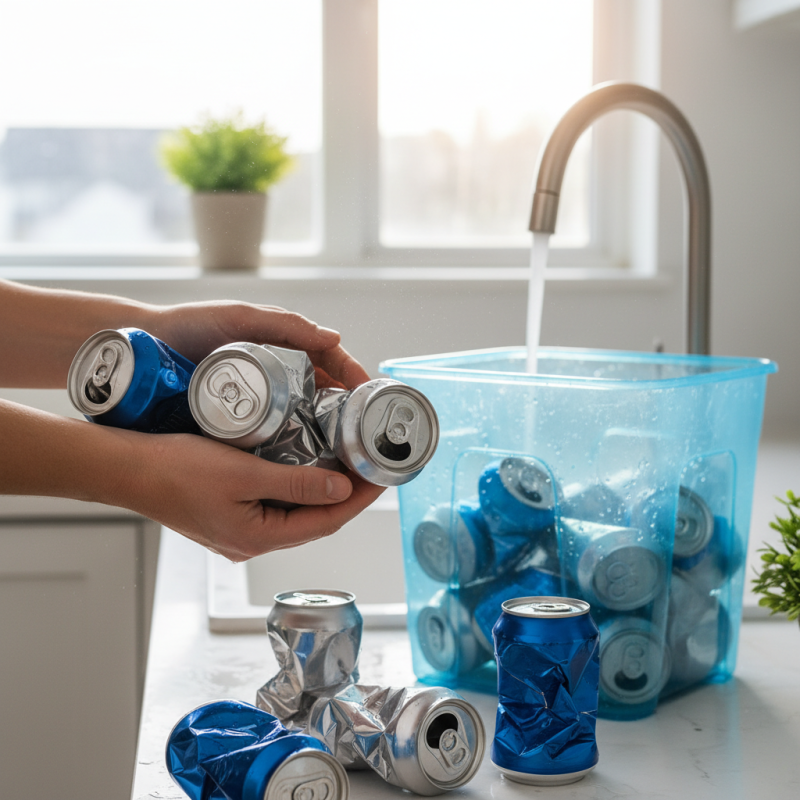
The Importance of Recycling Aluminum Cans for Sustainability Efforts
Recycling aluminum cans is crucial for a sustainable future. These cans are made from a valuable resource, and recycling them significantly reduces energy consumption. For every can recycled, 95% less energy is used than producing a new one from raw materials. This energy saving translates into fewer greenhouse gas emissions. It's a direct way to combat climate change.
However, many people still throw cans in the trash. This habit contributes to landfill overflow. It’s essential to remember that aluminum can be recycled indefinitely without losing quality. Yet, the recycling system relies on everyone participating. Dirty or contaminated cans may end up in the wrong stream, hindering the process. Even a little care in rinsing them out can make a difference.
Some community programs make recycling easy, but awareness is still low. People need to internalize the importance of their actions. If an aluminum can takes hundreds of years to decompose, why not recycle it? Reflect on the impact of each choice. The more we advocate for responsible recycling, the healthier our planet will become. It’s a small act that has significant implications for future generations.
Understanding the Fully Recyclable Nature of Aluminum Materials
Recycling aluminum cans is crucial for environmental sustainability. Aluminum is fully recyclable, meaning it can be reused multiple times without losing quality. According to the Aluminum Association, recycling aluminum saves 90% of the energy required to produce new cans. This energy savings equates to enough electricity to power a home for almost a year.
To recycle effectively, ensure cans are empty and rinsed. Contaminants like food residue can disrupt the recycling process. Flattening cans can also save space in your bin, allowing more cans to fit.
It’s easy to overlook the importance of proper disposal. Many people toss cans in the regular trash. In fact, around 75% of all aluminum ever produced is still in use today, highlighting the potential for recycling improvements. Making a conscious effort to separate recyclables is essential.
Join local recycling programs to stay informed about best practices. They often provide guidelines specific to your area. Remember, education and awareness are key to successful recycling.
Effective Sorting Techniques for Maximizing Recycling Efficiency
Sorting drink cans for recycling can be a simple yet impactful process. Organizing your recyclables can boost recycling effectiveness. Begin by separating aluminum cans from other types of waste. This prevents contamination. When cans are mixed with regular trash, they can end up in landfills.
Consider rinsing your cans before recycling. Residue might deter recycling facilities from accepting them. A quick rinse with water will do. Remove any labels, as these can also cause issues during processing. Though tedious, these small actions make a big difference.
Invest in a dedicated bin for cans. Keeping it visible encourages consistent recycling habits. Check for local guidelines on what can be recycled. Some areas may have specific rules. It’s worth learning. If you accidentally include non-recyclables, reflect on how that affects the entire batch.
Remember, every little effort counts in creating a cleaner environment.
Statistics on Energy Savings from Recycling vs. New Aluminum Production
Recycling aluminum cans can significantly save energy. According to the U.S. Environmental Protection Agency, recycling just one aluminum can saves enough energy to power a TV for three hours. This statistic highlights a critical benefit of recycling compared to producing new aluminum. In fact, recycling aluminum can save up to 95% of the energy required for new production.
To recycle effectively, it's vital to rinse cans before placing them in recycling bins. This small step prevents contamination, ensuring better recycling rates. Flattening the cans also helps save space, making transportation more efficient. Collecting cans can be rewarding; selling them can help fund local projects or personal goals.
Despite the clear benefits, many still do not recycle. According to a recent report, only 50% of aluminum cans are recycled in the U.S. That's a missed opportunity. Education on the importance of recycling is crucial for communities. Sometimes, we may not think twice before tossing that can away. Reflecting on our recycling habits can lead to greater awareness and action.
Top 10 Tips for Recycling Drink Cans Effectively
| Tip Number | Recycling Tip | Energy Saved per Ton of Cans Recycled (MWh) | CO2 Emissions Reduced per Ton Recycled (kg) | Percentage of Aluminum Recycled in the U.S. (%) |
| 1 | Rinse Out Cans Before Recycling | 1,500 | 2,200 | 75 |
| 2 | Keep Cans Clean and Dry | 1,500 | 2,200 | 75 |
| 3 | Avoid Crushing Cans | 1,400 | 2,000 | 75 |
| 4 | Know Your Local Recycling Rules | 1,600 | 2,400 | 75 |
| 5 | Store Cans Properly Until Recycling Day | 1,500 | 2,200 | 75 |
| 6 | Participate in Community Recycling Programs | 1,750 | 2,500 | 75 |
| 7 | Educate Others on Recycling Benefits | 1,600 | 2,400 | 75 |
| 8 | Use a Dedicated Recycling Bin | 1,500 | 2,200 | 75 |
| 9 | Check for Deposit Return Options | 1,800 | 2,600 | 75 |
| 10 | Stay Informed About Recycling Trends | 1,500 | 2,200 | 75 |
Common Mistakes to Avoid When Recycling Drink Cans Properly
When recycling drink cans, avoiding common mistakes can make a significant difference. A report from the Aluminum Association notes that recycling aluminum cans saves 95% of the energy needed to produce new cans. However, many people still fail to rinse their cans before recycling. Residual liquids can contaminate the recycling stream, leading to increased costs and energy use.
Many also forget to remove labels. Though they may seem harmless, labels can disrupt the sorting process. Additionally, crushing cans is another common error. While it seems like a space-saving measure, many recycling facilities prefer full cans for automated processes. A study showed that about 30% of cans are improperly prepared. This inefficiency can lead to greater amounts of waste ending up in landfills, rather than being recycled into new products.
Educating oneself about local recycling regulations is crucial. Different regions have specific guidelines. Ignoring these can result in rejected loads. Recycling is not just a good habit; it requires attention to details. A conscious effort towards proper can recycling can greatly influence environmental outcomes. Every small action matters.
Top 10 Tips for Recycling Drink Cans Effectively
This chart illustrates the importance level of various tips for recycling drink cans effectively, ranging from rinsing the cans to educating others about recycling practices. Proper adherence to these tips can greatly enhance recycling efficiency.