Top Tips for Choosing the Best LED Strip Light for Your Needs?
Choosing the right Led Strip Light can be a confusing task. With so many options available, it's essential to understand what best suits your needs. John Smith, an LED strip light expert, emphasizes, "The right LED strip can transform any space and enhance functionality." This statement captures the essence of selecting the ideal lighting solution.
Understanding the specifics of LED strip lights is crucial. Consider factors like brightness, color temperature, and length. These elements significantly impact the ambiance and functionality of a room. You might find yourself overwhelmed by the choices. However, taking the time to research options can lead to better decisions.
Reflecting on what you want to achieve can guide your selection process. Whether it’s for ambiance, task lighting, or accentuating decor, your intent shapes how you choose. Experimentation may lead to unexpected results, but that’s part of the journey. Embrace the learning curve and see how LED strip lights can elevate your environment.
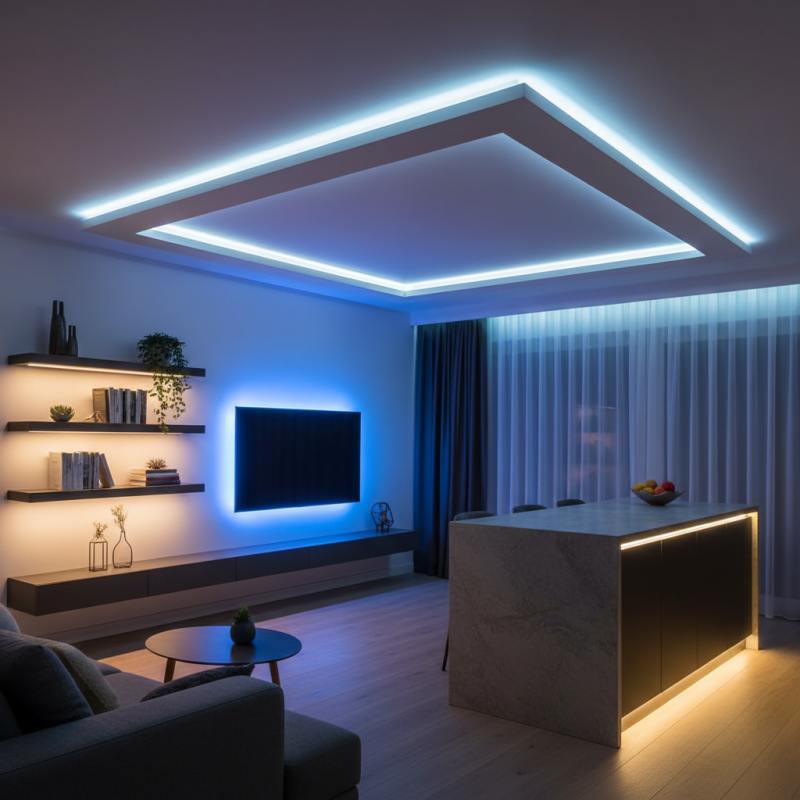
Types of LED Strip Lights and Their Applications
When selecting LED strip lights, it’s crucial to understand the various types and their applications. There are flexible LED strips, designed for intricate layouts, ideal for highlighting contours. Rigid LED strips, on the other hand, offer durability and are suitable for straight runs. Considerations include the environment—some types are not weather-resistant.
Another important category is RGB LED strips, which allow color customization. They are perfect for mood lighting and creative displays. Additionally, there are white LED strips, which provide a clean, bright light, often used in residential and commercial settings. Not all strips are dimmable, so check specifications carefully.
Installation quality matters significantly. A poorly adhered strip can lead to flickering or early failure. Some users may rush this process. Take time to plan the layout properly. Reflecting on usage needs can help. For instance, bright task lighting may require a different choice than atmospheric or ambient lighting. Always prioritize the right type for your specific needs.
Key Features to Consider When Selecting LED Strip Lights
When selecting LED strip lights, several key features come into play. Brightness is crucial. Measured in lumens, higher values ensure effective lighting. Consider the color temperature as well. It ranges from warm white to cool daylight. Choose the one that matches your space's mood.
Another feature to ponder is flexibility. Flexible strips can bend around corners. This is ideal for custom installations. Think about the adhesive backing too. Strong adhesion ensures the strip stays in place, especially in high-traffic areas. Some users have faced issues with strips peeling off over time. Quality really matters.
Power usage is also significant. Look for energy-efficient options. They save electricity and lower bills. Additionally, check the length of the strip. Longer strips require more power, so plan accordingly. If you're unsure, consulting a professional can provide valuable insights. Being informed helps to avoid common pitfalls, such as overestimating brightness needs or underestimating installation challenges.
Comparison of Key Features in LED Strip Lights
Understanding Color Temperature and Brightness Options
When selecting LED strip lights, understanding color temperature and brightness is essential. Color temperature, measured in Kelvin (K), affects the ambiance of a space. A warmer light (2700K-3000K) creates a cozy atmosphere, while cooler light (4000K-6500K) is invigorating. According to a recent industry report, 70% of consumers prefer warm white for living areas and cooler tones for workspaces.
Brightness, measured in lumens, also plays a crucial role. A higher lumen count means brighter light. For instance, 300 lumens is suitable for ambient lighting in a room, but only 100 lumens works for accent lighting. Assess your needs carefully. Some areas may require dimmable options for versatility.
Tip: Measure your space before choosing strip lights. This ensures you select a length and brightness that fit your requirements. Consider using a color temperature meter to accurately assess your desired light quality. Be cautious of overspending on features you may not utilize. Making an informed decision often leads to better results in both aesthetics and functionality.
Power Supply and Installation Requirements for LED Strips
When selecting LED strip lights, power supply and installation are key factors. These lights require a compatible power supply for optimal performance. A common mistake is underestimating the wattage needed. Calculate the total wattage by multiplying the length of the strip by the wattage per foot. This simple math can prevent power issues or light failures.
Consider installation requirements based on your chosen location. LED strips can be mounted on walls, ceilings, or under cabinets. A clean surface is crucial for proper adhesion. For uneven surfaces, using additional mounting clips may be necessary. Keep in mind, the environment might impact installation. Humidity can affect adhesive strength. If you plan to use strips in damp areas, ensure your lights are rated for such environments.
Reflecting on the installation process can provide insights. For example, ensuring adequate power access can save time during setup. Using extension cords might seem convenient, but they can complicate the overall aesthetic. Proper planning leads to a more efficient and visually pleasing result. Taking these factors into account will make choosing and installing LED strip lights easier.
Tips for Maintenance and Longevity of LED Strip Lights
When it comes to maintaining LED strip lights, proper care can extend their lifespan significantly. Research indicates that LED lights can last up to 50,000 hours. However, factors such as heat and moisture can shorten this duration. Keeping the strips cool is essential. Adequate ventilation ensures heat dissipates effectively, which can enhance performance and longevity.
Regular cleaning is another vital aspect. Dust and dirt can accumulate, affecting brightness and efficiency. A soft, dry cloth is often enough for cleaning. Occasionally, using a slightly damp cloth with water can help. Avoid harsh chemicals that might damage the lights. It's crucial to inspect the installation regularly. Check for any signs of wear, like frayed wires or flickering lights. Address these issues early to prevent further damage.
Power supply compatibility also plays a role. An incompatible voltage can lead to burnout. According to industry studies, using the right power supply can increase LED strip life by up to 30%. Additionally, consider the environment where you install these strips. Extreme temperatures and high humidity can negatively impact function. Always aim for a stable environment for your LED lighting. This way, you can enjoy their benefits for years to come.
Top Tips for Choosing the Best LED Strip Light for Your Needs
| Feature | Description | Tips for Maintenance | Longevity |
| Brightness | Measured in lumens, choose brightness based on your needs. | Avoid overloading the strip with too many lights. | Use a compatible power supply to prevent overheating. |
| Color Temperature | Warm white for cozy spaces, cool white for work areas. | Keep lights free from dust for better color accuracy. | Choose high CRI lights for better color rendering. |
| Flexibility | Check if the strip can bend in tight spaces. | Handle with care to prevent damage when bending. | Avoid sharp bends to extend lifespan. |
| Water Resistance | IP ratings indicate suitable use for wet or dry areas. | Ensure connectors are sealed when used outdoors. | Select waterproof options for humid environments. |
| Power Consumption | Measure wattage to manage energy costs. | Use timers or smart controls for efficient use. | Consider low consumption strips for longer usage times. |