×

Top 10 Tips for Choosing the Best Broiler Cage System

Selecting the right Broiler Cage System is crucial for poultry farmers. An efficient system can significantly enhance productivity and animal welfare. However, with so many options available, it can be overwhelming to choose the best fit.

Key factors to consider include the design, material quality, and space allocation. Many farmers overlook the importance of ventilation and temperature control. These elements are crucial for the health of the birds. A reliable system can provide consistent growth rates and reduce disease risks.

Another critical aspect is the ease of access for feeding and maintenance. Complicated setups can lead to operational inefficiencies. Farmers often find themselves frustrated with systems that do not allow for effective management. Thus, it’s essential to weigh these factors carefully. Investing time in this decision will pay off in the long run, ensuring a sustainable poultry operation.
Top 10 Tips for Choosing the Best Broiler Cage System

Understanding Broiler Cage Systems: Types and Features

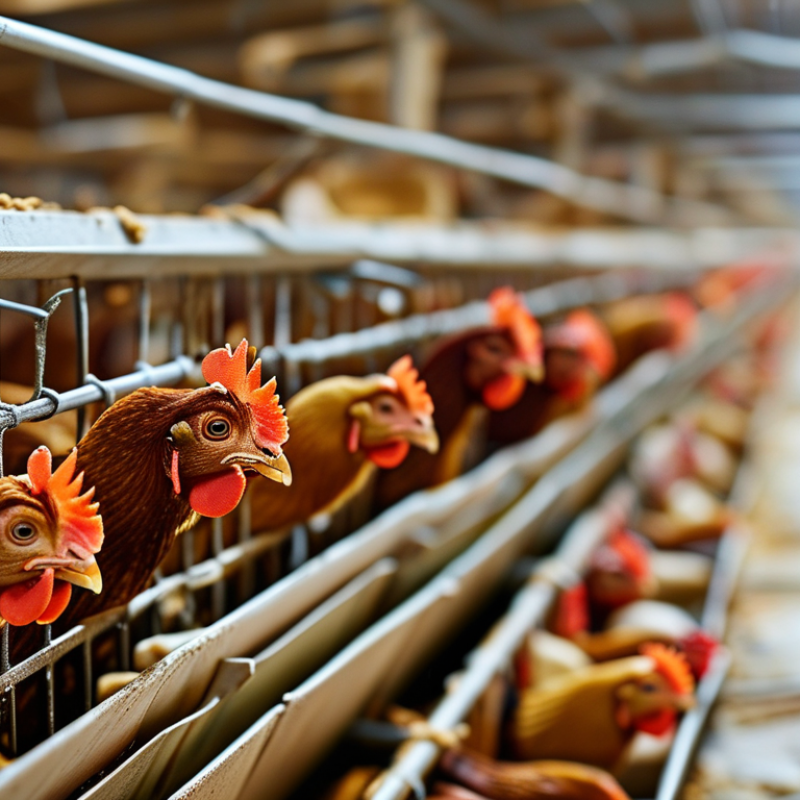
When exploring broiler cage systems, it’s essential to understand the various types available. There are conventional systems with stacked cages and more advanced, environmentally controlled setups. Each type has distinct features that affect broiler welfare and farm efficiency. For example, a cage system should have adequate space for birds. If not, stress levels can rise, impacting growth rates and meat quality.

One key tip is to evaluate the ventilation features of the cage system. Proper airflow helps maintain a healthy environment. A system with adjustable ventilation can adapt to changing weather conditions, ensuring optimal air quality throughout the year. This flexibility is vital for reducing respiratory issues among the flock.

Another important aspect is the ease of access for management tasks. Systems that allow easy cleaning and feeding reduce labor time and increase overall farm productivity. However, some designs may complicate these processes, potentially leading to oversight in care. It's crucial to weigh these factors carefully before making a choice, as each detail contributes to the well-being of the birds and the profitability of the farm.

Assessing Space Requirements for Broiler Cage Installation

When considering the installation of a broiler cage system, assessing space requirements is crucial. A well-planned layout ensures that birds have enough space. Overcrowding can lead to stress and health issues. Each bird requires a specific amount of space for movement and comfort. Measuring the area accurately helps in choosing the right cage system efficiently.

Consider both vertical and horizontal space. High-rise cages can maximize area use, but they also need proper ventilation. Check the local regulations too. Some areas have minimum space requirements for the welfare of the birds. Remember, neglecting these needs may lead to economic losses in the long run. Think twice about your choices.

Evaluate your specific needs. How many birds do you plan to raise? The answer dictates the number of cages. A clear understanding of your space can guide your decisions. Inadequate planning can create serious challenges later. Reflect on the arrangement before committing. It’s better to take time and get it right the first time.

Evaluating Material Quality and Durability of Cage Systems

When selecting a broiler cage system, considering material quality and durability is essential. The type of materials used directly affects the lifespan of the cages. Most systems are made from metal or plastic. Metal cages often last longer but can rust if not treated properly. Plastic may not rust, but it can degrade over time, especially under UV exposure. Evaluating these factors helps in making a sound investment.

Inspecting the construction of the cage is crucial. Welds should be solid, and joints must be reinforced. Loose fittings can lead to structural failures. Examine the surfaces for smoothness. Rough edges can injure birds and lead to increased stress. Additionally, durability tests from manufacturers add credibility. Certifications can provide reassurance about material quality.

Maintenance is another aspect to ponder. Systems that require frequent upkeep can lead to higher long-term costs. Consider ease of cleaning and accessibility. Difficult-to-reach areas may harbor bacteria, posing health risks to the flock. In conclusion, understanding material quality, construction, and maintenance reduces future challenges. Thoughtful assessments can yield a reliable and efficient broiler cage system.

Material Quality and Durability of Broiler Cage Systems

Analyzing Cost-effectiveness and Budget Considerations

When investing in broiler cage systems, cost-effectiveness is crucial. A 2022 industry report indicated that selecting the right cage can reduce operational costs by up to 30%. This significant reduction underscores the importance of proper budgeting.

Careful analysis should include not just the initial purchase price but also maintenance, feed efficiency, and space utilization.

Many farmers overlook long-term costs. For example, high-quality materials may have a higher upfront cost, but they often lead to lower repair and replacement expenses. A comprehensive evaluation of different systems will reveal that cheaper options can lead to higher long-term costs due to inefficiency.

Consider the productivity metrics associated with various cages. Reports show that optimized broiler cage systems can increase bird performance by 15%. This increase translates into better feed-to-gain ratios. Proper budgeting and understanding these figures can help farmers make informed decisions.

Balancing quality and cost is a delicate task, requiring ongoing assessment and adjustment to meet both financial and operational goals.

Ensuring Compliance with Animal Welfare Regulations and Standards

When choosing a broiler cage system, compliance with animal welfare regulations is crucial. These regulations are designed to ensure the humane treatment of animals. Understanding these standards can be complex, but it’s essential for any producer. Begin by familiarizing yourself with local animal welfare laws. Each region may have specific requirements that must be met to operate legally and ethically.

Consider the space and environment provided for the birds. Overcrowded cages can lead to stress and health issues. Design is key. Cages should allow natural behaviors like movement and social interaction. Ventilation systems are also vital. Proper airflow reduces stress and disease risk, promoting overall well-being for the birds.

Regular audits of your practices enhance compliance. These reviews help identify areas needing improvement. A commitment to animal welfare should be ongoing. Engaging with industry experts can provide insights into best practices. By prioritizing animal welfare, you not only meet regulations but also build a more sustainable and ethical operation.

Top 10 Tips for Choosing the Best Broiler Cage System - Ensuring Compliance with Animal Welfare Regulations and Standards

Tip No. Tip Description Key Considerations Compliance Factors
1 Evaluate Space Requirements Consider the number of birds and space allocation Ensure compliance with minimum area standards per bird
2 Assess Ventilation Needs Check airflow and temperature control Follow guidelines for air quality and heat stress prevention
3 Select Quality Materials Ensure durability and safety of the construction materials Adhere to material safety standards for livestock housing
4 Incorporate Easy Maintenance Features Design for easy cleaning and inspection Meet hygiene and health regulations
5 Consider Animal Behavior Observe natural behaviors and comfort levels Follow guidelines on the enrichment of environments
6 Evaluate Water and Feeding Systems Ensure adequate access to food and water Comply with feeding standards
7 Plan for Waste Management Implement efficient waste removal systems Meet environmental regulations
8 Choose Appropriately Sized Cages Make sure cages provide enough space for movement Comply with animal housing standards
9 Implement Biosecurity Measures Create barriers to disease transmission Follow health and safety guidelines
10 Review Regulatory Compliance Regularly Stay updated on changes in regulations Ensure ongoing compliance with evolving standards