Top Tips for Choosing an Automated Meter Today
Choosing an Automated Meter can be overwhelming. With various options available, it’s essential to make an informed choice. An Automated Meter is a crucial device that monitors energy or water usage efficiently. It provides data in real-time, helping users manage resources better.
When selecting an Automated Meter, consider the technology it uses. Some meters communicate wirelessly, while others require physical connections. Reliability is key. A faulty meter can lead to inaccurate readings. Look for products with proven performance and reliable customer support.
An experienced installer often makes a difference. Proper installation ensures accurate data collection. Seek products backed by reputable brands known for quality. While features matter, don’t overlook simplicity. Sometimes, complex systems can be less effective. Reflect on your specific needs and how an Automated Meter aligns with them. Balancing advanced features with practicality is vital.
Understanding Automated Meters: Types and Their Applications
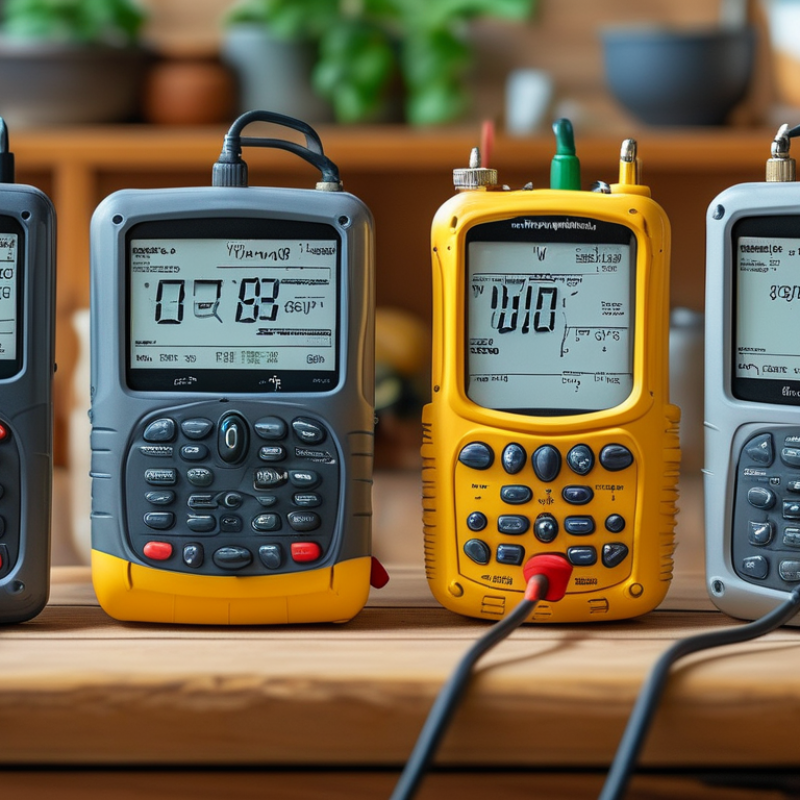
Automated meters have become essential for efficient resource management. Understanding the various types of automated meters is crucial for maximizing their benefits. Smart electric meters, for instance, enable real-time tracking of energy consumption. A 2022 report by the International Energy Agency found that smart meters can reduce energy bills by up to 15% for households.
Water metering technology has also advanced significantly. Ultrasonic meters, for example, are known for their accuracy and reliability. According to industry data, these meters can detect even minor leaks, potentially saving thousands of gallons of water each year. However, the integration of such technology requires careful planning. Utility companies must consider infrastructure investments and end-user education to optimize these systems effectively.
Gas meters are another critical component of automated utility management. They can track consumption patterns and flag unusual spikes. However, worker training on handling and interpreting data is often overlooked. Inaccurate data interpretation can lead to ineffective resource management and increased costs. A comprehensive approach, incorporating all these factors, will foster better outcomes in automated metering applications.
Key Features to Consider When Choosing an Automated Meter
When selecting an automated meter, several key features are essential. Accuracy is vital for reliable readings. A study by the International Energy Agency highlights that accurate meters can reduce energy waste by up to 20%. This means not only savings for consumers but also significant reductions in carbon emissions.
Connectivity is another important factor. Meters that offer real-time data help users monitor consumption patterns. A report from the Smart Electric Power Alliance indicates that smart meters with robust communication features can improve energy efficiency by roughly 15%. The ability to access information easily encourages users to make informed decisions, ultimately leading to reduced energy use.
Look for compatibility with existing systems as well. It is crucial that new meters can integrate with current infrastructure. This can prevent potential complications during installation. Additionally, ensure your chosen meter has solid customer support options. Even state-of-the-art technology can present challenges. Data from utility providers suggests that customer satisfaction often hinges on the quality of technical support received after installation. Balancing advanced features with practicality is key to making the right choice.
The Role of Smart Technology in Automated Metering Solutions
Smart technology plays a pivotal role in automated metering solutions today. The integration of advanced sensors and data analytics enhances efficiency in energy usage. Recent studies have shown that utilizing smart meters can reduce energy costs by approximately 15% for consumers. This shift towards automated metering not only aids in tracking consumption but also helps in predicting energy demand patterns more accurately.
However, the rapid growth of these technologies raises concerns about privacy and data security. The increasing connectivity of smart meters means that sensitive consumption data could be vulnerable to cyber threats. According to industry reports, nearly 30% of utility companies have faced data breaches in the past year, raising questions about the reliability of automated systems.
Choosing an automated meter involves careful consideration of these factors. It's essential to evaluate the technology's adaptability to future enhancements. An effective automated metering solution should provide real-time data insights but also reflect on potential shortcomings, such as installation challenges or maintenance costs. Therefore, prospective users must balance the benefits and potential risks when selecting their automated metering solutions.
Assessing Accuracy and Reliability in Automated Meter Readings
Selecting an automated meter requires a focus on accuracy and reliability. Accuracy in readings ensures that consumers are charged correctly. When evaluating meters, look for those with a proven track record of precise measurements. Speaking to current users can provide valuable insights. They can share their experiences regarding the reliability of the product over time.
Testing the meters is also crucial. Some meters may offer high precision initially but can drift over time. Regular calibration and maintenance are essential for sustained performance. Ask providers about their calibration protocols. Ensure the meter is designed to handle the specific conditions of your environment. This is often overlooked but impacts accuracy.
Consider the support you’ll receive. A reliable meter should come with dependable customer service. This can make a difference if issues arise. Evaluate the warranty and available assistance for repairs or replacements. A strong support system enhances overall reliability and helps with ongoing challenges users may face. Ensure you are informed fully before making a choice.
Cost-Benefit Analysis: Investing in Automated Metering Systems
When evaluating the cost-benefit of automated metering systems, consider the initial investment against potential savings. Automated meters can drastically reduce manual reading costs. They offer real-time data access. This feature enhances operational efficiency. However, installation can be expensive. Ensure you assess the long-term savings versus upfront costs.
One approach is to analyze your current metering expenses. Compare these against projected costs with automated systems. Look into maintenance needs too. This often gets overlooked. Sometimes, hidden costs can emerge, which may affect your decision. It’s crucial to have transparent data throughout the evaluation.
Consider user experience with automated meters. Communication between the meter and management software can affect usability. Reliability is key; a malfunctioning meter can lead to inaccurate readings and wasted resources. Seek expert opinions and analysis to make an informed choice. Always stay aware of evolving technology that can impact your investment.