Top Tips for Choosing a Commercial General Contractor?
Choosing the right Commercial General Contractor is crucial for project success. As industry expert John Anderson once said, "The right contractor can make all the difference." This truth resonates with many business owners. Selecting a contractor involves more than just comparing prices.
Reviewing past work is essential. A solid portfolio provides insight into the contractor’s capabilities. Pay attention to their communication style as well. A good contractor should listen and respond to your needs, not just focus on their agenda.
The decision is often overwhelming. Many contractors promise quality but fail to deliver. It's vital to ask for references and check them thoroughly. Each project is unique, so don’t be afraid to ask tough questions. Remember, investing time in your selection process is investing in your project's future.
Understanding the Role of a Commercial General Contractor
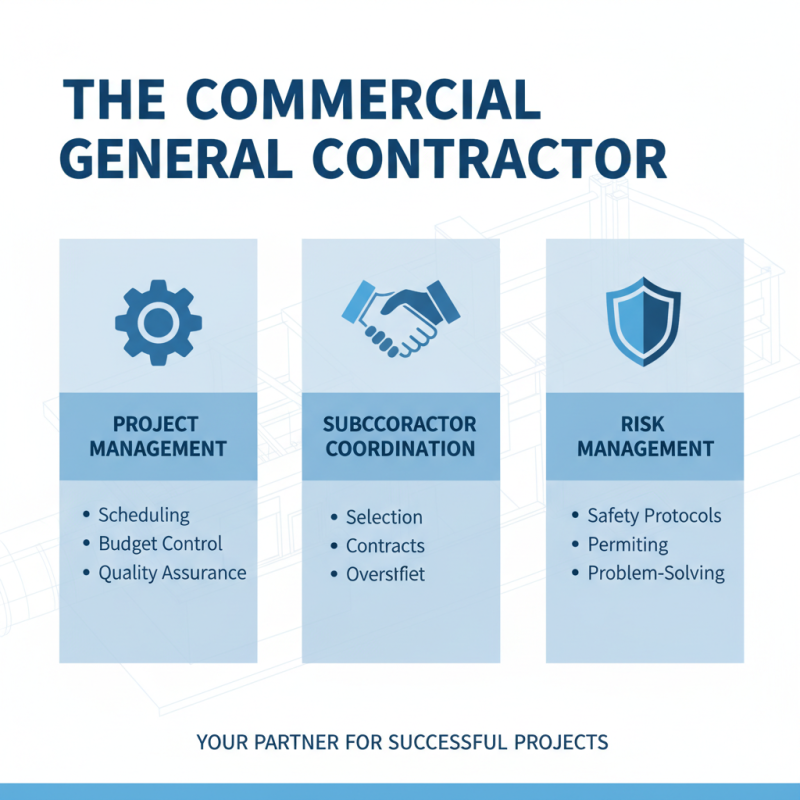
A commercial general contractor plays a crucial role in construction projects. They manage all aspects, from scheduling to budget control. These professionals coordinate subcontractors, ensuring everything runs smoothly. Understanding their responsibilities can help you choose the right one.
When selecting a contractor, consider their experience with similar projects. Ask for references from past clients. Talk about specific challenges that arose and how they were handled. This can reveal their problem-solving skills.
Communication is vital. Make sure they are open and responsive. A good contractor listens to your needs and provides honest feedback. Share your vision but stay flexible. Sometimes, adjustments are necessary to achieve the best results.
Review their project timeline. Delays are common, but excessive ones can be red flags. A precise schedule should be part of any contract. Check if they have a process to manage unexpected issues promptly.
Key Qualifications to Look for in a Contractor
When selecting a commercial general contractor, knowing their key qualifications is crucial. Experience matters. A contractor with at least five years in the field is often more reliable. According to a 2022 industry report, 70% of successful projects were led by contractors with substantial experience. This shows there’s a clear advantage in choosing seasoned professionals.
Certifications can reflect a contractor's commitment to quality. Many contractors pursue certifications such as the Certified Construction Manager (CCM) or Project Management Professional (PMP). These certifications indicate an understanding of industry standards. In fact, studies have shown that projects managed by certified professionals are 30% less likely to exceed budgets.
Communication skills also play a vital role. A contractor must be able to convey ideas clearly. Poor communication often leads to misunderstandings and costly mistakes. A report from the Construction Industry Institute highlighted that 50% of project failures are linked to ineffective communication. Assessing clarity and responsiveness during initial meetings can help ensure a smoother collaboration.
Top Tips for Choosing a Commercial General Contractor
This bar chart illustrates the key qualifications to look for when choosing a commercial general contractor, rated on a scale from 1 to 10 based on their importance. Experience and licensing emerge as crucial factors, while references, communication skills, and insurance also play significant roles in the decision-making process.
Evaluating Contractor Experience and Portfolio
When selecting a commercial general contractor, evaluating their experience and portfolio is crucial. According to industry reports, projects completed within budget increase by 20% when contractors have five or more years of experience. This statistic highlights the value of a seasoned contractor. Look for those who can demonstrate a successful history in managing various commercial projects. Review past projects that align with your vision.
A well-rounded portfolio tells a compelling story. It should highlight completed projects that mirror your needs. Pay attention to the scale, complexity, and quality of work. A contractor may showcase impressive buildings but lack experience in your specific sector. This could lead to costly missteps. Transparency in presenting past challenges and how they overcame them can signal reliability.
Furthermore, consider the contractor’s team. A great contractor often collaborates with skilled subcontractors. They should be able to share their criteria for selecting these partners. Communication and project management practices matter too. A contractor with a strong portfolio but poor communication can lead to misunderstandings and delays. Make sure to discuss how they maintain communication throughout a project. Understanding their process can reveal their commitment to transparency and client satisfaction.
Importance of Licenses and Insurance in Contracting
When selecting a commercial general contractor, the importance of licenses and insurance cannot be overstated. According to a recent industry report, 70% of contractors without proper licenses encounter legal issues. These incidents can delay projects and increase costs. Having a licensed contractor ensures that they meet local building codes and regulations, providing peace of mind for clients.
Insurance is equally critical. Data shows that 60% of unlicensed contractors do not carry liability insurance. This exposes property owners to risks and potential financial losses. If an accident occurs on-site, the costs can be overwhelming. For example, a worker’s injury may lead to lawsuits or hefty medical expenses. Hiring a properly insured contractor protects clients from such unforeseen issues.
Additionally, some contractors might misrepresent their qualifications. It's essential to verify licenses and insurance details before hiring. A simple background check can reveal a lot. Some may have prior complaints or unresolved claims. These factors may indicate a need for a more thorough vetting process. Investing time in this aspect could prevent significant headaches later on.
Top Tips for Choosing a Commercial General Contractor
| Criteria |
Details |
| Experience |
Look for a contractor with at least 5-10 years of experience in commercial projects. |
| Licenses |
Ensure the contractor is licensed in your state, as this reflects their professionalism and compliance with local laws. |
| Insurance |
Verify that the contractor has liability insurance and workers' compensation to protect against accidents. |
| References |
Request references from past clients to gauge satisfaction and reliability. |
| Contract Terms |
Review the contract terms carefully, including payment schedules, timelines, and warranties. |
| Communication |
Choose a contractor who maintains open lines of communication and provides regular updates. |
| Budget |
Get detailed estimates to compare costs and ensure they align with your budget before proceeding. |
Tips for Effective Communication and Collaboration with Contractors
Effective communication with your contractor is crucial. Begin by clearly defining project goals. Detail what you expect in terms of timeline, quality, and budget. Consider creating a written document. This helps to avoid misunderstandings. Regular check-ins can aid clarity. Schedule meetings weekly or bi-weekly. Use these times to discuss progress and hurdles.
Collaboration is equally important. Encourage open dialogue. Ask questions and invite feedback. A contractor should feel comfortable sharing their ideas. Listen actively to their expert opinions, too. Remember, there will be moments of tension or frustration. Address these feelings promptly rather than letting them fester. Build a relationship based on trust. Share your vision but also be open to adjustments. It’s not uncommon to rethink certain aspects of your original plan.