
How to Source Luxury Fruit Gift Boxes Wholesale in 2026?
Luxury fruit gift boxes Wholesale in 2026 requires more than choosing attractive packaging. Buyers need fruit that arrives fresh, looks consistent, and suits the occasion. A polished box means little if bruised pears or soft berries appear inside. Start by defining the target customer, order volume, delivery window, and preferred fruit mix. Then ask suppliers for current product specifications, seasonal availability, sample boxes, and clear pricing. Details matter.
Reliable sourcing depends on evidence, not promises. Review how suppliers grade fruit, manage packing, and protect products during transport. Ask about temperature handling, traceability, replacement terms, and any relevant quality certifications. Request photos of real shipments, but treat them as supporting information rather than proof of consistent performance. A sample order can reveal practical issues, such as fruit shifting under the lid or labels becoming damp. Check these before committing to a large run.
Packaging should protect the fruit while presenting it well. Compare inserts, ventilation, cushioning, and materials suited to your shipping route. Confirm whether custom sleeves, cards, or branded ribbons affect lead times and minimum order quantities. In 2026, changing harvest conditions may influence availability and prices, so build flexibility into product plans. Not every supplier will provide the perfect combination of cost, presentation, and reliability. That trade-off deserves honest review. A careful shortlist, written specifications, and a small test shipment can help buyers make better-informed wholesale decisions.
Define Your Luxury Fruit Gift Box Requirements for 2026
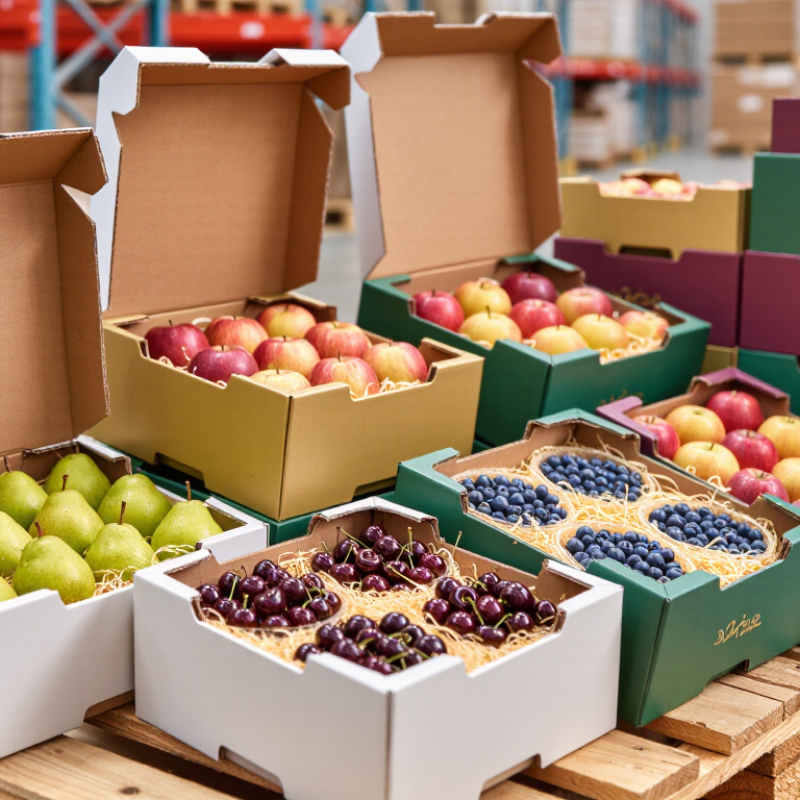
For 2026, define what “luxury” means for your fruit gift box before requesting wholesale quotes. Is it a polished corporate thank-you, a festive family gift, or a premium hotel welcome? Each use calls for a different box size, fruit mix, and presentation. Be specific. List preferred fruits, expected quantity per box, target price, and delivery region. For example, a box with six pears and four citrus fruits needs different spacing from one built around large apples.
Consider seasonality and eating quality, not just appearance. Ask suppliers which fruits will be reliably available during your order window and how they manage ripeness before dispatch. Request clear details on grading, pack-out timing, and transit conditions. A glossy sample can look excellent on a desk. It may not reflect how the fruit arrives after several days in transit.
Packaging is part of the product, but it must protect the fruit. Specify box dimensions, cushioning, inserts, greeting cards, and whether the recipient can recycle the materials locally. Share your branding and customization needs early, along with order volume and delivery dates. Then request a physical sample and inspect it for bruising, loose fruit, and awkward opening. One detail buyers sometimes overlook: decorative fillers can reduce airflow. It is worth checking, even if the first sample seems perfect.
How to Source Luxury Fruit Gift Boxes Wholesale in 2026? — Define Your Luxury Fruit Gift Box Requirements for 2026
Use this planning checklist to define buyer requirements before requesting wholesale quotations. Quantities, tolerances, and service levels below are buyer-set targets, not universal industry standards; confirm feasibility for each fruit, origin, destination, and season.
| Requirement | 2026 Specification to Define | Measurable Buyer Target | Supplier Evidence to Request |
|---|---|---|---|
| Gift-box assortment | List each fruit variety, quantity, size or weight range, and permitted seasonal substitutions. | Approve a written assortment and substitution matrix before production; require buyer approval for any unlisted replacement. | Itemized product specification, seasonal availability calendar, and sample assortment. |
| Fruit quality and grading | Specify maturity, appearance, firmness where relevant, defect limits, and applicable commercial grade for each fruit. | Set acceptance criteria by fruit type and inspect a pre-shipment sample against the signed specification. | Grade definitions, inspection records, and representative fruit samples or photographs. |
| Origin and harvest information | Define acceptable countries or growing regions, origin-label requirements, and any preferred harvest period. | Require country-of-origin and lot identification on shipment documents and relevant consumer packaging. | Supplier declarations, lot records, and supporting origin documentation where available. |
| Net contents and box size | Set the number of pieces or net fruit weight, finished box dimensions, and any permitted weight variation. | Approve one signed pack-out specification for each box format; verify weight and dimensions on a pre-production sample. | Dimensioned packaging drawing, bill of materials, and sample packed box. |
| Presentation and protection | Choose box construction, dividers, cushioning, inserts, closure, and presentation requirements for delivery and unboxing. | Test a fully packed sample for fruit movement, bruising, and box damage under the agreed handling conditions. | Packaging samples, material specifications, and results from documented transit or handling tests. |
| Food-contact packaging | Identify the destination market and specify applicable food-contact requirements for materials that touch fruit. | Require current compliance documentation for each food-contact material used in the pack. | Material declarations, test reports, or other documentation applicable to the destination market. |
| Branding and personalization | Define artwork, message cards, sleeves, language, print colors, and approval deadlines. | Approve final artwork and a production proof before printing; define responsibility for obsolete printed stock. | Digital proof, print sample, artwork specifications, and a written approval workflow. |
| Wholesale volume and MOQ | Request pricing by order quantity and by box configuration; state forecasted order volumes without assuming a universal MOQ. | Compare quotations at the same quantities, specifications, and delivery terms; record any setup or customization charges separately. | Written quotation showing MOQ, price breaks, tooling or setup fees, and validity period. |
| Lead time and capacity | Separate sample, artwork, packaging procurement, packing, and transit timelines. | Agree a dated production schedule and order cut-off; confirm capacity for peak gifting periods before placing the order. | Production calendar, capacity confirmation, and sample-to-shipment timeline. |
| Freshness and shelf life | Set the required remaining saleable life at delivery for each fruit assortment and destination. | Define the minimum remaining-life requirement in writing and check it against the planned transit time and delivery date. | Product-specific shelf-life guidance, packing date or lot records, and handling instructions. |
| Temperature and transport | Specify storage and transit conditions by fruit type; avoid using one temperature setting for a mixed assortment unless validated. | Agree the shipping method, temperature-management plan, delivery window, and procedure for temperature or delay exceptions. | Product-specific handling guidance, route plan, and temperature records when temperature-controlled transport is used. |
| Food safety and traceability | Define required supplier food-safety controls, lot coding, recall contacts, and record-retention expectations. | Require each shipment to be traceable to its product lots and packing records; document a contact and escalation process. | Food-safety program documentation, traceability example, and recall or incident procedure. |
| Import and delivery requirements | Confirm destination-country rules for fresh produce, documentation, labeling, and any required inspections or permits. | Assign responsibility for export and import documents before dispatch; verify requirements with the relevant authorities or customs adviser. | Document checklist, proposed shipping documents, and confirmation of the parties responsible for clearance. |
| Quality inspection and claims | Agree inspection timing, sampling method, acceptable damage limits, photographic evidence, and claim deadlines. | Set written acceptance and claims procedures before the first order, including a resolution path for shortages or quality failures. | Inspection checklist, defect-report template, and written claims policy. |
| Waste and packaging choices | State preferences for recyclable or reduced packaging and confirm local disposal guidance for each material. | Compare packaging options by material and protective performance; avoid environmental claims that cannot be documented. | Material breakdown, recycling or disposal information, and supporting evidence for any environmental claim. |