Why Do You Need a Parking Sensor for Your Vehicle?
parking sensors have become essential tools for modern drivers. These devices help detect obstacles while parking, making the process safer and easier. Many car owners might underestimate their value. But, integrating a parking sensor can significantly enhance vehicle safety and driver confidence.
Imagine the frustration of parking in a crowded lot. One miscalculation can lead to costly repairs. A parking sensor provides auditory and visual signals, alerting you to nearby objects. This instantaneous feedback helps prevent accidents, from minor scrapes to more severe collisions.
The technology in parking sensors is continuously evolving. Some sensors even come with cameras that provide a real-time view of the surrounding area. While it seems straightforward, investing in a quality parking sensor may require careful research. Not all systems are created equal; some may fail to deliver the promised reliability. By understanding their importance and selecting the right sensor, you can make a wise decision for your vehicle’s safety.
Understanding the Functionality of Parking Sensors in Vehicles
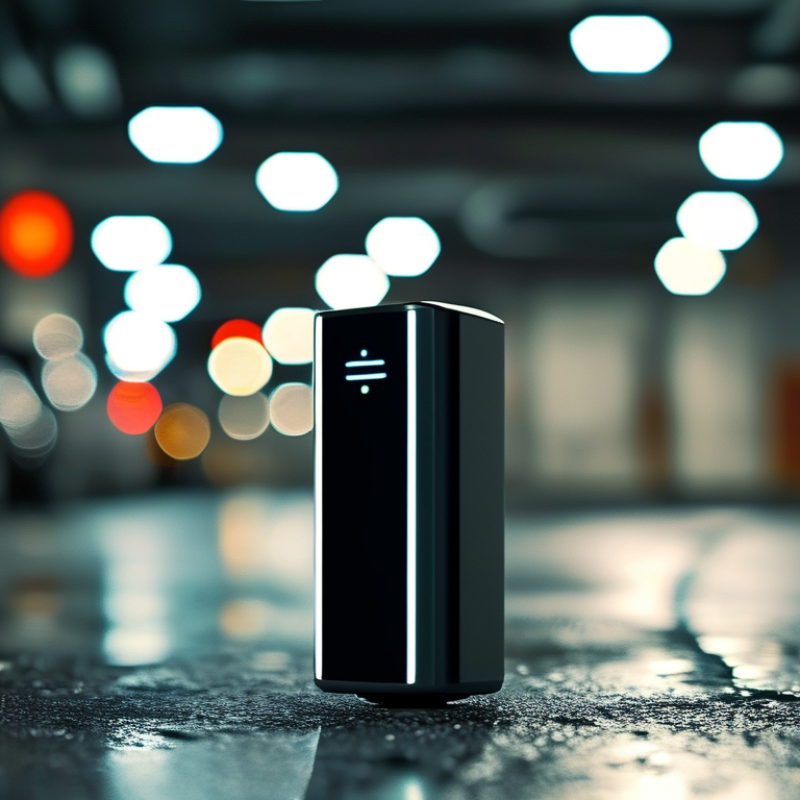
Parking sensors play a crucial role in modern vehicles. These devices help drivers detect obstacles when parking. They make reversing safer and easier. The sensors use ultrasonic or electromagnetic waves to identify nearby objects. Once an object is detected, the sensor emits beeping sounds. The frequency of the beeps increases as the car gets closer to the object. This feature can prevent accidents and costly damages.
When using parking sensors, pay attention to their range. Sensors can sometimes miss low-lying objects, such as curbs or small poles. Be mindful and use mirrors as well. Trusting sensors completely can lead to close calls. Positioning yourself to look out for blind spots is essential.
Another tip is to remember that parking sensors require proper calibration. After installing or servicing, ensure they function correctly. A poorly calibrated sensor might deliver false information. Regularly check the sensor's cleanliness too. Dirt or debris can affect performance. Keeping sensors clean can improve their accuracy and longevity.
Types of Parking Sensors Available in the Market
Parking sensors are crucial for modern vehicles. They enhance safety and convenience. Types of parking sensors vary in technology and functionality. Ultrasonic and electromagnetic sensors are common. Ultrasonic sensors use sound waves to detect obstacles. They are reliable up to several meters. Electromagnetic sensors create a magnetic field around the vehicle. They provide alerts without physical sensors.
Data indicates that 30% of accidents occur during parking maneuvers. This statistic highlights the need for effective parking aids. Advanced systems integrate cameras and radar, offering 360-degree awareness. Some models provide visual and audio feedback. This can be vital for new drivers or those in crowded spaces.
The market is growing. Research shows that the global parking sensor market is projected to reach $4 billion by 2026. This growth underscores the increasing importance of safety features in vehicles. However, some systems may fail in adverse weather conditions. They can also be overly sensitive, leading to false alarms. Understanding these limitations is essential for making informed decisions.
Parking Sensor Types and Benefits
This bar chart illustrates the importance ratings of different types of parking sensors available in the market, on a scale from 1 to 10. As seen, camera-based sensors are rated highest for their effectiveness, followed by ultrasonic and radar sensors, while electromagnetic sensors are rated slightly lower.
Benefits of Installing Parking Sensors for Safe Driving
Parking sensors are essential for enhancing safety while driving. They detect obstacles and provide alerts to drivers, making parking easier and safer. This technology is particularly beneficial in crowded urban areas where space is tight. Drivers can avoid those stressful moments of maneuvering into a parking spot while worrying about potential collisions.
Installing parking sensors can significantly reduce the risk of accidents, especially for new drivers. It empowers them with a clearer sense of their vehicle’s surroundings. Parking sensors can also enhance usability for older drivers who may struggle with depth perception. The beeping sound warns when you are too close to an object, preventing costly repairs and ensuring more confident parking.
While parking sensors are a valuable addition, they are not a substitute for attentive driving. Video images and sensor alerts can sometimes misinterpret proximity, leading to over-reliance. Awareness of their limitations is vital. Drivers need practical experience as well. The integration of technology makes vehicles safer, but human judgment remains irreplaceable.
How Parking Sensors Improve Parking Skills for Drivers
Parking sensors have become essential tools for improving drivers' parking skills. According to a study by the National Highway Traffic Safety Administration, 20% of accidents occur during parking maneuvers. These devices provide real-time feedback, helping drivers gauge distance while reversing or parking. This feature can significantly reduce the likelihood of collisions, making parking maneuvers safer.
Additionally, parking sensors help raise awareness of the vehicle's surroundings. A driver may not always notice a small child or an object behind the car. Sensors alert them when obstacles are nearby, preventing potential accidents. A report from the Insurance Institute for Highway Safety showed that vehicles equipped with parking assistance technologies saw a 34% decrease in backing accidents. This data underscores their value in enhancing driver awareness and skill.
However, reliance on technology can lead to overconfidence. Some drivers may forget basic parking techniques, relying solely on sensors. This gap in skills can pose risks in situations where sensors may fail or give false alarms. It's crucial for drivers to maintain their manual parking skills. Balancing technology and human ability can result in safer and more efficient parking experiences.
Why Do You Need a Parking Sensor for Your Vehicle? - How Parking Sensors Improve Parking Skills for Drivers
| Feature | Benefit | Impact on Driving Skills | User Experience Enhancement |
| Obstacle Detection | Alerts drivers to nearby objects | Improves spatial awareness | Reduces parking anxiety |
| Proximity Alerts | Sounds alarms when too close | Enhances depth perception | Boosts confidence in tight spaces |
| Visual Indicators | Provides real-time feedback | Improves decision-making | Makes parking more intuitive |
| Compatibility with Cameras | Offers a comprehensive view | Fosters better judgment | Enhances overall safety |
| Adaptive Technologies | Adjust based on driving conditions | Encourages adaptive learning | Creates a personalized experience |
Installation and Maintenance Tips for Parking Sensors
Installing a parking sensor in your vehicle can significantly enhance safety. These sensors use ultrasonic waves to detect obstacles when reversing. According to a study by the National Highway Traffic Safety Administration, parking incidents account for nearly 25% of vehicle accidents. Ensuring proper installation can help reduce these accidents dramatically.
When installing parking sensors, choosing the right location is crucial. They should be mounted at an optimal height for accurate detection. Many manufacturers suggest placing them in the center of the rear bumper. Calibration is equally important. Improperly calibrated sensors may give false readings. This can lead to minor accidents, highlighting the need for precision during installation.
Regular maintenance is essential for effective operation. Clean sensors regularly to prevent debris interference. A study from the Federation of European Motorcyclists Associations noted that dirty sensors could reduce effectiveness by up to 30%. Checking the wiring periodically can prevent malfunction. Ignoring these checks may lead to unexpected failures. Remember, a little effort in maintenance goes a long way in ensuring accurate readings and enhancing safety.