What is an Overflow Valve Block and How Does It Work?
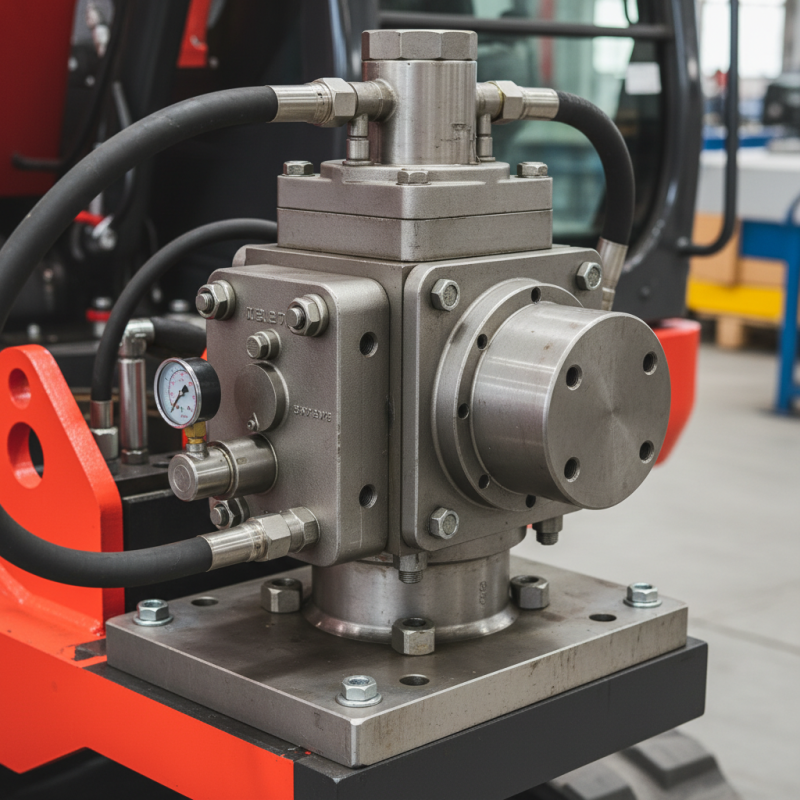
The Overflow Valve Block plays a crucial role in hydraulic systems. Understanding its function is essential for anyone working with hydraulic machinery. This component prevents excessive pressure buildup, protecting the system from potential damage.
When pressure exceeds a set limit, the Overflow Valve Block opens, allowing fluid to flow back to the tank. This process maintains safe operating conditions. Without it, hydraulic systems risk failure or accidents.
In everyday applications, these blocks are vital in construction equipment and manufacturing machines. However, users often overlook their maintenance. Neglected overflow valves can cause system inefficiencies. It's a reminder that even small components have significant impacts. Users must understand the value of the Overflow Valve Block for reliable hydraulic performance.
What is an Overflow Valve Block? Definition and Purpose Explained
An overflow valve block is a critical component in hydraulic systems. Its primary purpose is to control pressure within the system. When the pressure exceeds a predefined level, the overflow valve opens. This prevents damage to other components by redirecting excess fluid away. According to a recent report from the Hydraulic Institute, poorly managed pressure can lead to system failures in 30% of hydraulic systems.
Understanding the definition and purpose of an overflow valve block is essential. These valves can prevent accidents and costly repairs. They work by utilizing a spring-loaded mechanism. The spring compresses under pressure, triggering the valve to open. This simple yet effective design is often underestimated. Proper maintenance is key to ensuring they operate efficiently. Ignoring these can lead to leaks or erratic pressure levels.
The diversity of applications for overflow valve blocks is notable. They are used in automotive, industrial, and marine hydraulics. An analysis revealed that about 25% of hydraulic-related failures stem from malfunctions in pressure control systems. Ensuring their reliability can significantly extend a hydraulic system's life span. It is a critical focus area for engineers and technicians alike. Regular checks can mitigate potential risks and enhance overall performance.
The Role of Overflow Valve Blocks in Hydraulic Systems Performance
Overflow valve blocks play a crucial role in hydraulic systems. They regulate the system pressure and prevent overloads. When pressure exceeds a specified level, the overflow valve opens, allowing fluid to return to the tank. This ensures system stability and protects components from damage.
According to industry reports, up to 30% of hydraulic failures are linked to pressure surges. These surges can cause serious issues, like hose bursts. By using overflow valve blocks, systems can operate more reliably. They help maintain optimal performance, reducing maintenance costs as well. In fact, studies show that effective pressure management can improve system longevity by 50%.
However, not all overflow valve blocks are equal. The design and materials used influence their effectiveness. Poorly designed valves may fail under pressure. This could lead to system inefficiencies. Regular inspections and maintenance are essential to ensure proper functioning. Outdated models might not meet current demands, causing potential problems.
Key Components of an Overflow Valve Block and Their Functions
An overflow valve block plays a crucial role in hydraulic systems. Its main function is to manage excess pressure and ensure safety. Key components of this block include the relief valve, pressure sensor, and control mechanism. Each part contributes to maintaining system integrity.
The relief valve is vital for diverting excess flow. It prevents pressure buildup. Typically, these valves can handle pressures up to 5,000 psi. A study from the Fluid Power Journal indicates that improper settings can lead to failures in hydraulic systems, costing companies significant downtime.
The pressure sensor monitors fluid levels continuously. It detects fluctuations and transmits data to the control system. Accurate readings are essential. However, sensors can sometimes malfunction, leading to inaccurate pressure readings. Maintenance practices should regularly include sensor checks. This ensures optimal performance.
In conclusion, while overflow valve blocks are designed for reliability, they are not infallible. Potential issues can arise from wear or incorrect calibration. Monitoring and maintenance are non-negotiable for effective operation. Keeping systems running smoothly requires ongoing attention and proactive measures.
How Overflow Valve Blocks Prevent System Failures and Damage
Overflow valve blocks play a critical role in preventing system failures and damage. These components are designed to manage hydraulic pressure and ensure safe operation. Data from industry studies indicate that improperly functioning valves lead to significant downtime in machinery. Up to 30% of maintenance costs can be attributed to failures that overflow valve blocks could have prevented.
When systems experience excess pressure, overflow valves release the fluid, preventing catastrophic failures. This process is vital in heavy machinery and industrial applications. A report from a leading industry association highlights that 60% of hydraulic system breakdowns are due to valve malfunctions. Neglecting regular maintenance on these components can increase risk.
Understanding how overflow valve blocks work is essential for operators. They must monitor pressure levels consistently. Slight deviations can signal potential issues. Regular inspections are necessary to catch problems early. Addressing these maintenance gaps can save costs and ensure reliability in operations. While overflow valves contribute to safety, they are not foolproof. Operators must stay vigilant and responsive to avoid serious consequences.
Industry Standards and Specifications for Overflow Valve Blocks Usage
Overflow valve blocks play a crucial role in hydraulic systems. They help prevent over-pressurization. Adhering to industry standards is vital for their proper function. Each standard specifies designs and materials for durability and safety.
Manufacturers often follow specific guidelines when creating overflow valve blocks. These guidelines ensure compatibility with various hydraulic systems. Some guidelines are strict, while others leave room for interpretation. This can lead to inconsistencies in quality and performance.
Regular maintenance and inspection are essential. Users should know when a valve block fails. Symptoms can include unusual noises or pressure fluctuations. Documenting these issues helps improve future designs. Understanding the specifications can lead to better choices in the long run. Maintaining awareness of industry standards can also prevent costly breakdowns. The learning never stops in this ever-evolving field.
What is an Overflow Valve Block and How Does It Work? - Industry Standards and Specifications for Overflow Valve Blocks Usage
| Feature | Description | Standards & Specifications | Applications |
| Functionality | Regulates pressure in hydraulic systems | ISO 4413, SAE J1940 | Construction equipment, automotive systems |
| Materials | Typically composed of high-strength steel or aluminum | ASTM A36, ASTM B221 | Oil and gas industry, manufacturing |
| Pressure Rating | Commonly rated between 1000 to 5000 PSI | DIN 2401 | Heavy machinery, hydraulic presses |
| Connection Type | Common connections include NPT, BSPT, and flange | ASME B1.20.1, ISO 7-1 | Fluid transfer systems |
| Maintenance | Regular inspections and fluid changes recommended | Manufacturer guidelines | All hydraulic applications |