
What Is a Floor Mat Carpet and How Do You Choose One?
A Floor Mat Carpet is more than a soft layer at the door. It is a practical surface that can help catch dirt, soften footsteps, and define a small area. The right choice depends on where it will sit and how people use that space. A mat beside a busy entrance faces wet shoes, grit, and repeated cleaning. One under a desk may need a smooth backing that stays put on the floor.
Flooring consultant Elena Brooks puts the choice this way: “Choose for the mess you actually have, not the room you imagine.” That is a useful rule of thumb, though it cannot replace checking a product’s care instructions and material details. Look at the mat’s dimensions, pile height, backing, and edge finish. A thick, plush surface may feel inviting, but it can catch a door or make a chair harder to roll. A low-profile mat may suit a narrow hallway better. Measure the space before ordering.
Small details matter. A textured surface can hide everyday dust, while a pale mat may show muddy footprints quickly. Check whether the backing is suitable for your floor, especially on smooth surfaces. Maintenance matters, too. Can you shake it outside, vacuum it, or wash it as directed? Don’t guess. Even a well-made Floor Mat Carpet can disappoint when its size or care needs do not match the household. And sometimes the “perfect” color looks different beside your actual flooring. A sample, when available, can help you judge before committing.
What a Floor Mat Carpet Is and How It Differs from Other Floor Coverings
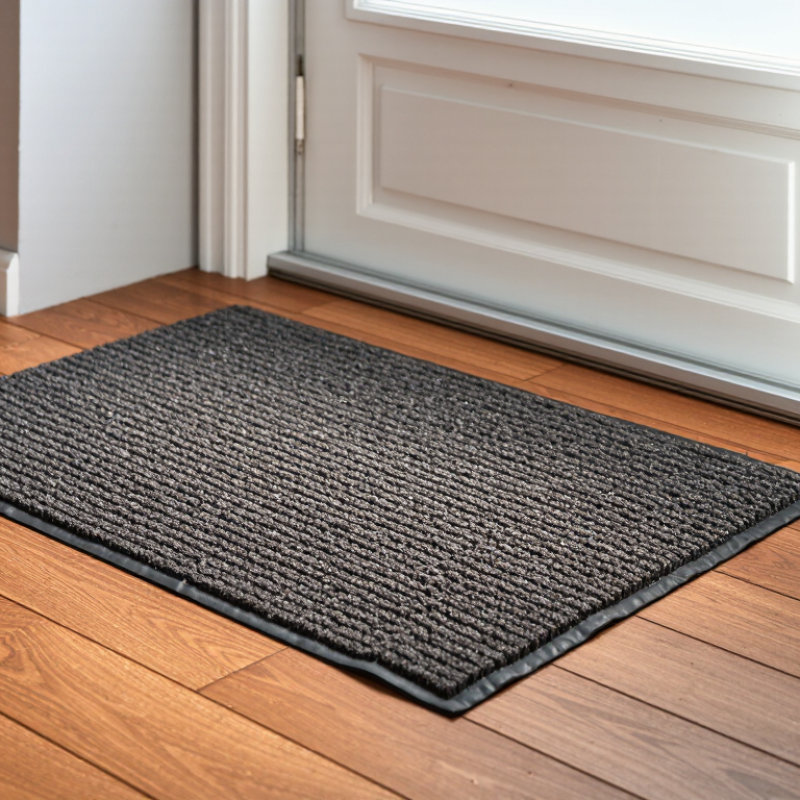
A floor mat carpet is a small, movable textile floor covering designed for a specific spot, such as an entryway, bedside, or kitchen sink. It may have a woven, tufted, or low-pile surface, often paired with a backing that helps limit slipping. Unlike wall-to-wall carpet, it does not cover a whole room or require permanent installation. It can soften hard floors and catch everyday dust, but its protection is limited to the area it covers. Small, but useful.
Compared with a rug, a mat carpet is often smaller and more task-focused, though the terms can overlap. A typical doormat is built mainly to trap grit and moisture; a mat carpet may offer a softer, more decorative surface. Neither category guarantees stain resistance or a secure grip on every floor. A loose corner can still catch a toe, and some backings may react poorly to delicate finishes.
Tips: Match the size to the space and leave doors enough clearance to open freely. Check the care label and backing material before washing or placing it on finished wood. If it shifts underfoot, use a suitable non-slip pad. Measure twice; it is an easy detail to overlook.
What Is a Floor Mat Carpet and How Do You Choose One? — What a Floor Mat Carpet Is and How It Differs from Other Floor Coverings
| Feature | Floor Mat Carpet | Area Rug | Wall-to-Wall Carpet | Hard-Surface Floor |
|---|---|---|---|---|
| What it is | A small, finished textile floor covering designed for a specific spot or task. It may have a woven, tufted, or carpet-like surface. | A loose floor covering that decorates or softens a larger section of a room. | A continuous carpet fitted across most or all of a room, usually installed over an underlay. | A fixed, non-textile surface such as wood, tile, laminate, or vinyl. |
| Typical coverage | Localized areas such as an entry, bedside, kitchen sink, or work area. | A seating group, dining area, or other defined zone. | Nearly the entire floor area of a room. | Usually the full floor area, with separate mats added where needed. |
| Installation | Usually placed directly on the floor; many styles can be moved without tools. | Usually loose-laid, though a rug pad can help limit movement. | Typically cut and fitted in place; professional installation is common. | Generally installed as a permanent or semi-permanent floor finish. |
| Portability | Easy to lift, reposition, or replace, depending on its size and backing. | Can be moved, although larger rugs may be heavy or awkward to handle. | Not intended to be moved after installation. | Not portable once installed. |
| Surface and comfort | Provides a softer, warmer spot underfoot; cushioning varies by construction and thickness. | Adds softness and visual definition over the existing floor. | Offers a continuous soft surface, with comfort affected by carpet pile and underlay. | Usually firm underfoot; comfort depends on the material and any separate mat. |
| Cleaning and care | Care depends on the fiber and backing. Some can be vacuumed or spot-cleaned; check the care label before washing. | Care depends on its material, size, and construction; some require specialist cleaning. | Usually cleaned in place by vacuuming and periodic carpet cleaning. | Often swept or vacuumed and cleaned with a method suitable for the specific flooring. |
| Best suited to | Targeted comfort, dirt collection, or surface protection in a limited area. | Room decoration, zoning, and added softness over a broad area. | Continuous warmth, sound absorption, and a unified carpeted-room look. | Durable, easy-to-access floor surfaces where a textile covering is not wanted throughout. |
| Key choice factors | Measure the placement area; consider foot traffic, moisture, pile height, backing grip, edge finish, and cleaning instructions. | Check room proportions, furniture placement, rug-pad needs, material, and cleaning requirements. | Consider room dimensions, pile and underlay, subfloor condition, installation, and ongoing care. | Match the material to moisture, traffic, maintenance preferences, and the room’s installation conditions. |
| Safety note | On smooth floors, choose a compatible non-slip backing or use an appropriate rug pad. Keep edges flat and clear of doorways. | A suitable rug pad can reduce movement; ensure the rug does not obstruct doors or create a raised edge hazard. | Secure fitting and smooth transitions at doorways help reduce loose edges. | Use compatible mats where needed, and avoid products that may discolor or damage the floor finish. |