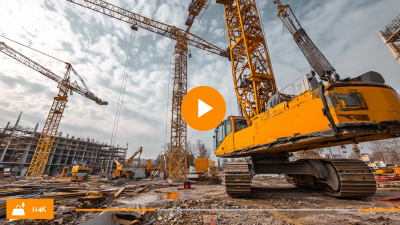
Construction Management turns architectural intent into a coordinated, buildable result. It connects planning, budgeting, procurement, scheduling, safety, quality control, and site communication. A construction manager may review drawings in the morning, resolve a steel delivery conflict at noon, and inspect concrete placement before sunset. The work is practical and highly accountable. Small decisions can affect cost, time, safety, and long-term performance.
Industry data explains why this discipline matters. McKinsey’s Reinventing Construction report found that construction labor productivity grew by only about 1% annually over two decades, compared with 2.8% across the global economy. The report also identified fragmented processes, weak coordination, and limited technology adoption as major barriers. Those findings remain relevant. The U.S. Bureau of Labor Statistics projects construction manager employment to grow 5% from 2023 to 2033, reflecting continued demand for organized project leadership. However, a digital dashboard cannot solve every site problem. Weather changes, incomplete information, and human judgment still shape outcomes. That is the uncomfortable part.
Effective Construction Management follows a clear but flexible sequence. Teams define scope, estimate costs, develop schedules, appoint contractors, coordinate trades, monitor progress, and close the project with documented inspections. Reliable managers use measurable evidence, not optimistic promises. They compare planned hours with actual hours, track change orders, and record safety observations near active work zones. This article explains how the discipline works, who performs each responsibility, and why communication often determines whether a project succeeds. The process is structured. Reality is not.

Construction management is the professional coordination of a building project from early planning through completion.
It connects the owner, designers, contractors, suppliers, inspectors, and workers. A construction manager turns drawings and requirements into an organized process. The work includes budgeting, scheduling, procurement, site coordination, quality control, and safety planning.
The scope begins before construction starts. Managers review designs, estimate costs, assess site conditions, and identify practical risks.
On a busy site, this may mean checking steel deliveries, confirming concrete quantities, and resolving a clash between ductwork and ceiling space.
They also track permits, contracts, labor, and changing instructions. Plans change. Details matter.
During construction, managers compare progress with the approved schedule and budget. They inspect work, document decisions, and communicate problems before they become expensive.
Their technical judgment helps balance cost, durability, time, and performance.
However, management is not perfect. A carefully prepared schedule can fail after severe weather, late materials, or unclear drawings.
Experienced professionals review assumptions instead of hiding weaknesses. They ask for evidence, record revisions, and involve qualified specialists when a problem exceeds their knowledge.
The scope may also continue after handover through testing, defect correction, maintenance information, and final documentation. A successful project depends on disciplined coordination, but human judgment remains essential on every site.
Construction management turns drawings, budgets, labor, and safety rules into a workable building process. A construction manager coordinates owners, designers, subcontractors, inspectors, and suppliers. The role is both technical and human. On site, the manager reviews progress, checks workmanship, and resolves conflicts before they stop production. They also explain design changes clearly to crews.
The U.S. Bureau of Labor Statistics reported a median annual wage of $104,900 for construction managers in May 2023.
Employment is projected to grow 5 percent from 2023 to 2033.
Daily control begins with accurate information. Managers compare planned quantities against installed work and update schedules after inspections. They maintain requests for information, submittals, change records, and payment documentation.
They also lead toolbox talks and verify that access routes, protective equipment, and emergency procedures remain practical.
Safety cannot be treated as a form. The Occupational Safety and Health Administration emphasizes hazard identification, worker training, and regular site controls. These duties require judgment, not only software skills.
Cost and schedule decisions are closely connected. A delayed steel delivery may require resequencing crews, revising the look-ahead plan, and warning the client about possible effects.
The Project Management Institute reported that organizations wasted 9.4% of project investment because of poor project performance.
Documentation helps reduce that waste, although it never removes uncertainty. No schedule is flawless.
Hidden ground conditions, weather, and unclear drawings can still defeat a careful plan. Effective managers question optimistic forecasts, record difficult decisions, and correct mistakes before they become expensive.
Construction management turns an idea into a buildable, measurable project. It connects project planning, design coordination, scheduling, procurement, and cost control. A construction manager usually reviews drawings, permits, site conditions, and stakeholder expectations before work begins. This early review often exposes expensive assumptions.
A practical plan assigns responsibilities, approval dates, labor needs, and material deliveries. The schedule should reflect real site conditions, not only optimistic promises. For example, a concrete pour may depend on weather, inspection timing, and reinforcement delivery. Small delays can spread quickly. Design coordination prevents conflicting information between architectural, structural, and mechanical drawings. Regular coordination meetings help, but meetings alone do not solve unclear decisions. Each revision needs a recorded owner, deadline, and measurable impact.
Cost control requires more than comparing invoices with the original estimate. Managers track committed costs, approved changes, remaining allowances, and possible risks. A simple cost forecast can reveal trouble before the budget is exhausted. Experienced teams also review labor productivity and material waste on site. Yet forecasts are imperfect. Uncertain ground conditions or late design changes can defeat a careful estimate. I have found that honest reporting protects a project better than attractive numbers. Clear records, qualified judgment, and timely communication support reliable decisions throughout construction.
Construction management turns design intentions into coordinated site work. It connects people, materials, safety controls, schedules, and quality decisions. During execution, a manager checks drawings, confirms access, and resolves conflicts before crews lose time. A concrete pour, for example, needs tested materials, prepared forms, suitable weather, and an approved inspection point. Plans meet reality. When conditions change, decisions should be recorded with reasons, photos, and responsible names. This creates a reliable project history and supports later checks.
A practical schedule shows more than start and finish dates. It links excavation, utilities, structure, finishes, inspections, and deliveries. Short daily updates reveal missing labor, late materials, or tasks blocked by approvals. Small delays spread. Experienced managers compare planned progress with physical evidence, not optimistic reports alone. Still, schedules are imperfect. Weather assumptions may be too generous, and crews may underestimate rework. A useful response is revising near-term activities while protecting the critical sequence.
Quality management begins before work starts. The team sets acceptance criteria, inspection points, sample approvals, and testing responsibilities. On site, supervisors inspect reinforcement spacing, anchor positions, surface preparation, and installation tolerances. Photos alone are insufficient. Measurements and signed records provide stronger evidence. When a defect appears, the team should identify its cause, isolate affected work, and verify correction. Blaming one worker can hide poor drawings or unclear instructions. Some decisions will be wrong. Reviewing them openly improves the next shift’s execution, schedule, and quality control.
Construction management turns drawings into a safe, compliant, finished facility. It coordinates people, permits, materials, inspections, and handover evidence.
On site, a manager may review a lift plan beside a muddy access road, then check guardrails before work begins. Small controls matter.
The U.S. Occupational Safety and Health Administration recorded 1,069 construction fatalities in 2022, about one in five private-industry worker deaths. The U.S. Bureau of Labor Statistics reported a 2023 fatal injury rate of 9.6 per 100,000 full-time-equivalent workers for construction and extraction occupations. These figures make daily briefings more than paperwork.
A competent manager checks training records, equipment tags, housekeeping, emergency routes, and weather changes. Stop-work authority must be real. Sometimes schedules encourage poor decisions.
Compliance also needs a traceable process. Keep approved drawings, inspection requests, test results, permits, and change orders in one controlled register.
The Project Management Institute reported in its 2021 Pulse of the Profession that poor project performance wasted 11.4% of project investment.
That loss can begin with an undocumented design change. Before completion, the team should test systems, clear defects, verify as-built information, and train operators.
A signed handover is not enough. A missing manual can delay safe operation. Final review should include the person maintaining the building, not only the person who built it.