
×

How to Choose a Wrapping Machine in 2026?

Choosing a Wraping Machine in 2026 is not just about buying the fastest unit. It is about matching equipment to real products, packaging materials, and production conditions. Grand View Research’s Packaging Machinery Market report estimated the global market at USD 45.5 billion in 2023, with projected growth through 2030. That is useful context, not a guarantee that every machine type or supplier will grow at the same rate. A fast machine can still be the wrong machine.

Start with measurable needs: product dimensions, daily volume, required wrap style, film type, and changeover frequency. Picture a line switching between small cartons and larger bundles. Can operators adjust settings quickly? Does the machine handle the film without frequent breaks? Check rated speed against expected output, because real production includes loading, stoppages, and maintenance. Ask suppliers for trials using your own products and materials. Small details matter.

Compare total cost, not only the purchase price. Include energy use, consumables, spare parts, training, service access, and integration with existing conveyors or controls. PMMI’s industry research can help frame automation and operational trends, while site-specific testing should guide the final choice. Forecasts are imperfect. So are sales demonstrations. I would question any recommendation that skips a product trial or avoids discussing downtime. This guide explains how to assess a wrapping machine, compare options, and choose equipment that fits your operation in 2026.
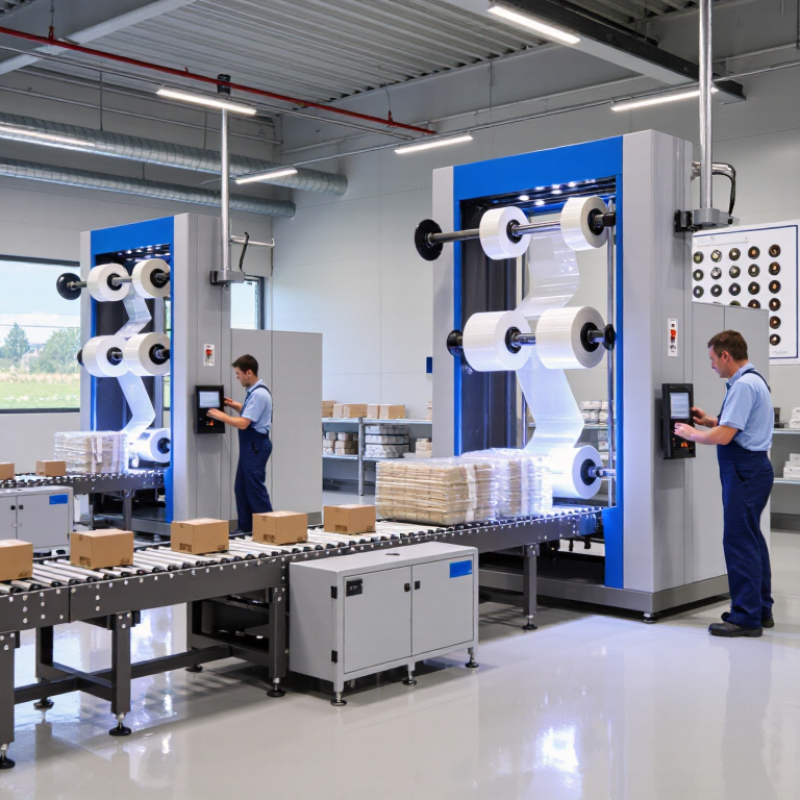
How to Choose a Wrapping Machine in 2026?

Define Your Packaging Requirements and Production Goals

How to Choose a Wrapping Machine in 2026?
Define Your Packaging Requirements and Production Goals

Before comparing wrapping machines, map the products and shifts they must serve. Record package dimensions, weight, surface condition, and how often sizes change. A soft pouch behaves differently from a rigid carton, especially around the corners. Measure the smallest and largest loads, not just the average one. Small details matter.

Describe the real production target. Count finished packages per hour during a normal shift, and note peak periods. Include changeover time, operator availability, floor space, and existing conveyor speed. If the line runs in bursts, a machine rated for steady flow may disappoint. Be honest here. Spreadsheet targets can be optimistic, so check them against a week of actual output.

Define what a good wrap means for your operation: tightness, overlap, appearance, and film use. For fragile or irregular loads, test samples under realistic conditions before choosing a configuration. Track damaged packages and film breaks during trials; they can reveal issues a speed rating hides. Leave room for growth, but avoid buying capacity the line cannot feed. That balance is awkward. Document assumptions, including future product sizes, before requesting a quote or test.

How to Choose a Wrapping Machine in 2026?

Define Your Packaging Requirements and Production Goals

This planning example compares daily output goals with the minimum wrapping speed needed to meet them. Required speed is calculated using 450 net production minutes per day and an assumed 85% operating availability: daily units ÷ (450 × 0.85). These are scenario calculations, not industry benchmarks. When selecting a machine, allow additional capacity for changeovers, product variation, and future growth.

Identify the Wrapping Machine Types That Fit Your Products

How to Choose a Wrapping Machine in 2026?
Identify the Wrapping Machine Types That Fit Your Products

Start with the product, not the machine’s advertised speed. A turntable stretch wrapper suits stable pallet loads, such as stacked cartons. An orbital wrapper carries film around long or awkward items, including pipes and furniture panels. For individual retail packs, shrink wrappers create a snug film sleeve; flow wrappers form sealed packs around regularly shaped goods. Each format handles a different load, so a fast machine can still be the wrong choice.

Product size, weight, surface, and fragility narrow the options. A sharp corner may puncture film. A soft item may deform under tight tension. Test the real product, including its heaviest and least uniform versions. Check changeover time, film waste, and access for cleaning or maintenance. Small details matter. One issue often missed: a wrapper that works well on today’s product may struggle after a size change.

Industry context can help, but it cannot replace a line trial. Grand View Research valued the global packaging machinery market at USD 46.3 billion in 2023 and projected a 5.4% compound annual growth rate through 2030. Its flexible packaging market report estimated a USD 270.3 billion market in 2023, with projected annual growth of 4.8% through 2030. These figures show a broad, growing market—not which wrapper fits your product. Record sample results, film consumption, and package damage before deciding. The first test may expose a flaw in your assumptions. That is useful.

How to Choose a Wrapping Machine in 2026? - Identify the Wrapping Machine Types That Fit Your Products

Compare common wrapping machine types by product format, wrapping method, and operational needs. Actual throughput and material compatibility depend on product dimensions, line configuration, and machine specifications.

Machine Type How It Wraps Products It Commonly Suits Typical Packaging Material Key Advantages Important Considerations A Good Fit When...
Pallet Stretch Wrapper Applies stretch film around a pallet load, usually by rotating the load or a film carriage. Cartons, sacks, bundled goods, and mixed cases arranged on pallets. Stretch film, commonly polyethylene-based. Helps unitize loads for storage and transport; offers adjustable wrap patterns and film tension. Load stability, pallet dimensions, load weight, and required containment force affect machine selection. You need to secure palletized goods while limiting manual wrapping and improving consistency.
Rotary Arm Stretch Wrapper A rotating arm carries stretch film around a stationary load. Unstable, lightweight, tall, or heavy pallet loads that are difficult to rotate safely. Stretch film. Keeps the load stationary during wrapping and can suit loads that may shift on a turntable. Requires suitable floor space and guarding around the rotating arm; installation layout matters. The load should remain stationary, or a turntable wrapper is not suitable for its weight or stability.
Shrink-Wrapping Machine Forms a film bundle around products, then uses heat to shrink the film closely around them. Multipacks, trays, cartons, bottles, cans, and selected retail or distribution packs. Heat-shrink film, such as polyolefin or polyethylene; film choice depends on the application. Creates a close-fitting bundle and can package multiple items together. Needs a suitable heat source and ventilation; product heat sensitivity and film sealing requirements must be checked. You want a compact film bundle or multipack and the products can tolerate the selected heat process.
Flow Wrapper (Horizontal Form-Fill-Seal) Feeds products horizontally into a formed film tube, seals the package, and cuts individual packs. Bars, bakery goods, hardware, medical items, and other discrete products with a suitable shape. Rollstock flexible packaging film, selected for sealing and product requirements. Can package individual products continuously and integrate with conveyors or feeding equipment. Product size, orientation, feeding method, seal area, and film sealing properties must match the machine. You need individually wrapped products and can present them consistently to a horizontal packaging line.
Orbital Stretch Wrapper Rotates a film ring around a product or bundle as it travels through the wrapping area. Long, narrow, or bundled items such as profiles, pipes, lumber, and selected rolled goods. Stretch film; protective layers or edge protection may be added where required. Wraps elongated products without requiring them to rotate end over end. Product length, cross-section, bundle stability, and required end coverage influence the setup. You handle long products that are awkward to wrap on a pallet turntable or by hand.
Stretch Hood Machine Stretches a tubular film hood over a palletized load and releases it to grip the load. Palletized bags, boxes, building materials, and other loads suitable for a fitted hood. Stretch hood film, typically supplied as tubular film. Can cover the sides and top of a load in one application, depending on the system and hood design. Load dimensions and shape must suit available hood sizes; film handling and changeover requirements should be assessed. You need a fitted outer cover for pallet loads and can standardize load dimensions or hood specifications.
Banding or Bundle Wrapper Applies one or more film bands or wraps around a group of products rather than fully enclosing each item. Printed materials, cartons, boards, and other stable product bundles. Stretch film or other compatible wrapping material, depending on the machine design. Uses targeted wrapping to hold a bundle together while leaving much of the product exposed. Provides less surface coverage than a fully enclosed pack; bundle shape and required holding force matter. You need to group products securely without wrapping every surface of the bundle.

Compare Machine Capacity, Features, and Material Compatibility

Choosing a wrapping machine in 2026 starts with your actual workload, not the advertised top speed. Track cartons per hour during a normal shift, including changeovers, pauses, and rejects. A line rated for 18 boxes per minute may struggle when operators feed mixed sizes. Allow room for peak days, but avoid paying for capacity that sits idle. Measure the smallest and largest loads, too.

Features matter when they solve a recurring problem. Variable speed controls can help handle fragile cartons more gently. Sensors may reduce film waste by matching wrap cycles to load height, but they require calibration and cleaning. Check access around rollers, emergency stops, and adjustment points. If a technician cannot reach a jam safely, uptime estimates may be optimistic. Small setup details can matter more than a long feature list.

Tips: Bring three real packages to a machine test: the lightest, heaviest, and most awkward. Confirm film width, thickness, stretch range, and core size against the machine’s specifications. Test sharp corners for punctures and check wrap tension after transport. Ask how settings change with different materials. Recycled or thinner films may behave differently, even at the same nominal gauge. Record your settings, but expect to revise them on your own line.

Assess Safety, Automation, Maintenance, and Total Cost

Choosing a wrapping machine in 2026 starts with the load, not the brochure. Measure pallet width, height, weight, and stability across real shifts. A tall, loose load may need adjustable film tension and a turntable with guarded access. Safety matters. Check emergency stops, interlocked doors, film-carriage pinch points, and operator reach before comparing speed. Ask operators to test access during changeovers; awkward guards can invite unsafe workarounds.

Automation should fit actual throughput. A powered pre-stretch carriage or automatic cut-and-clamp can reduce repetitive handling, but sensors and recipes need careful setup. Track successful wraps per hour, not advertised cycle time. Ask how often rollers, belts, and photo-eyes need cleaning, and whether common parts are easy to reach. Small downtime adds up. During a trial, record film breaks, adjustments, and minutes spent clearing faults. One shift is not enough to reveal every issue.

Compare purchase price with film use, energy, service, training, and lost production over several years. Request the assumptions behind savings estimates, then test them against your own load mix. Budget for installation and spare parts. A cheaper machine can cost more when support is distant or setup is fragile. Seasonal loads and tired operators can change results, so leave room for doubt in your calculations.

Verify Supplier Support and Test the Machine Before Purchase

How to Choose a Wrapping Machine in 2026?

Verify Supplier Support and Test the Machine Before Purchase

A polished machine demonstration is not enough. Ask the supplier to run your actual products, film, and target line speed. Watch the film track around corners, seals form, and packs exit the conveyor. Record output, reject rate, changeover time, and any manual adjustments. Numbers need context. Test more than one product size, and repeat the run after a changeover. A brief trial can miss jams that appear only during longer production.

Supplier support matters after installation. Request written response times, technician availability, spare-parts lead times, and operator training details. Ask who handles remote troubleshooting and what happens when the fault cannot be fixed remotely. McKinsey Global Institute’s 2015 report on the industrial Internet of Things estimated predictive maintenance could reduce machine downtime by 30–50%. That is a broad industrial estimate, not a guarantee for a wrapping machine. Still, it shows why maintenance planning and access to knowledgeable support deserve attention.

Before approval, agree on a practical acceptance test with clear pass criteria. Include start-up, normal running, a planned stop, restart, and a basic fault-recovery check. Have your operators perform a changeover, not just watch a supplier technician do it. Note the settings they need and where instructions feel unclear. Some details will be missed. That is exactly why the test should happen on your floor, with your materials and people, before final purchase sign-off.