
×

How to Choose an RMU Electrical Panel?

Choosing a Rmu Electrical Panel is an engineering decision, not just a catalog comparison. The right unit must suit the network voltage, load, fault level, and installation environment. A compact unit beside a city street faces different demands from one in a damp industrial room. Small details matter.

The International Energy Agency’s 2023 report, Electricity Grids and Secure Energy Transitions, estimates that about 80 million kilometers of electricity grids must be added or replaced worldwide by 2040. That scale of renewal makes reliable medium-voltage equipment increasingly important. Yet grid investment alone cannot guarantee dependable service. Equipment still needs to fit its actual operating conditions.

When evaluating options, check rated voltage and current, short-circuit withstand, insulation, protection, cable access, and space for future extensions. IEC 62271-200 covers metal-enclosed switchgear for rated voltages above 1 kV and up to 52 kV, providing a relevant technical reference. Ask suppliers for type-test documentation, maintenance requirements, and clear details about the switching technology. Confirm that the panel suits the site’s temperature, humidity, and available clearance. These checks are less exciting than a low purchase price. They can be more important.

There is no universal best choice. A specification that looks complete on paper may overlook a cramped cable trench or limited maintenance access. Careful site review, qualified engineering advice, and verifiable product documentation help buyers choose an RMU that performs reliably over its service life.
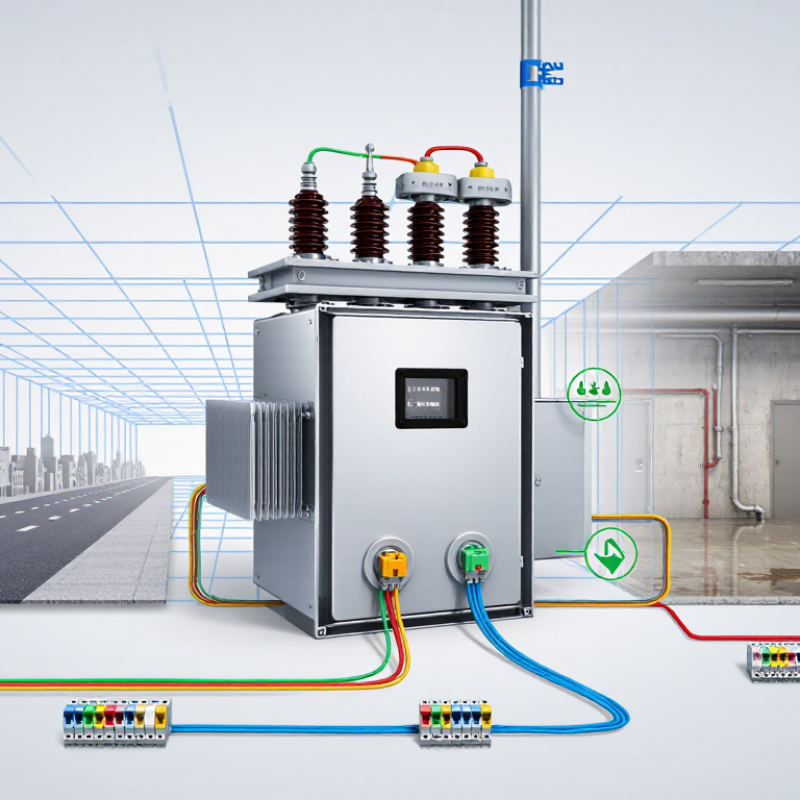
How to Choose an RMU Electrical Panel?

Understand the Function and Applications of an RMU Electrical Panel

An RMU, or ring main unit, is medium-voltage switchgear used to control and protect parts of an electrical distribution network. It lets operators isolate a cable section or transformer while keeping other sections supplied through an alternate path. That matters. During a fault, suitable switching and protection can limit the outage to a smaller area, although the exact result depends on network design and operating procedures.

RMUs are common in urban substations, commercial buildings, industrial sites, and renewable-energy installations. Their compact design suits locations where floor space is limited, such as a basement electrical room or roadside cabinet. Space is tight. When choosing a unit, check the system voltage, continuous current, short-circuit rating, protection scheme, and cable-entry arrangement. Also consider the site: heat, moisture, dust, and access for maintenance can affect performance and serviceability. Insulation technology and operating method vary, so confirm that the equipment matches the installation and the utility’s technical requirements. A neat panel can look ideal on a drawing, yet cable access may be awkward on site. That detail is easy to miss. Have a qualified power engineer review load studies, fault levels, and protection coordination before specifying the unit.

Define Voltage, Current, and Short-Circuit Rating Requirements

An RMU electrical panel should match the network it will serve, not just the equipment listed on a preliminary schedule. Confirm the system’s nominal voltage and the highest voltage the equipment must withstand. These values are related, but they are not interchangeable. Check the utility documents and project drawings, especially where an RMU connects to an existing feeder. Small details matter.

Set the continuous current rating above the expected operating load, while allowing for realistic changes such as added building equipment or future feeder demand. Avoid sizing from a single snapshot of current use. It may understate the load later. Also check the rating of each switch, fuse, or circuit breaker in the selected arrangement; the RMU’s overall specification does not make every component equivalent.

Short-circuit requirements need a fault-current study for the installation point. Compare the calculated fault level with the assembly’s rated short-time withstand current and the interrupting capacity of its switching devices. These ratings describe different duties, so one cannot safely substitute for another. Confirm the required fault duration and protection coordination with the electrical engineer or utility. This work can feel tedious, and early estimates are sometimes treated as facts. They are not. Recheck assumptions before ordering, particularly if the network configuration has changed.

How to Choose an RMU Electrical Panel? — Define Voltage, Current, and Short-Circuit Rating Requirements

How to use these ratings: Choose an RMU voltage class that matches the network’s nominal voltage and highest system voltage. Select a rated current that meets or exceeds the maximum expected load; 630 A is a common rating, but requirements vary. The RMU’s short-circuit rating must meet or exceed the prospective fault current for the required fault duration. The chart shows common rating levels, not a recommendation for a particular installation. Confirm selections against the network study, applicable standards, and equipment specifications.

Compare RMU Configurations, Insulation Types, and Switching Options

An RMU’s configuration should match the network, not just the available cabinet space. A two-way unit may suit a simple ring connection, while three- or four-way layouts can add transformer feeders or spare circuits. Check whether the unit is extensible; future expansion can be awkward when cable access is tight. Count the actual ways needed, including metering and protection, rather than guessing from a single-line diagram.

Insulation affects footprint, maintenance, and site requirements. Air-insulated units are familiar and straightforward to inspect, but often need more space. Gas-insulated designs are compact, though buyers should ask about gas handling and end-of-life procedures. Solid insulation avoids insulating gas, but its inspection approach differs. Compare rated voltage, short-circuit withstand, and environmental conditions. A small equipment room can change the decision.

Switching options also matter. Load-break switches handle normal load switching; fuse-switch combinations can protect some transformer feeders. Circuit breakers offer controllable fault interruption and can pair with protection relays. Manual operation may be enough for a local installation, while motorized switching supports remote control. Check interlocks, earthing arrangements, and protection coordination carefully. A neat specification sheet can still miss an awkward cable bend or operating clearance, so review the layout with the installer before ordering.

Assess Installation Conditions, Safety Features, and Standards

Choosing an RMU electrical panel starts with the site, not the catalogue. Record the supply voltage, rated current, short-circuit level, cable-entry direction, and available floor space. Check whether the unit will sit indoors, outdoors, or in a damp plant room. Salt air, dust, heat, altitude, and standing water can affect enclosure and insulation requirements. Measure the actual clearance around the panel. Door swing and cable-bending space are easy to overlook.

Safety features should match the switching tasks and the fault energy expected at the installation. Review mechanical and electrical interlocks, earthing-switch indication, pressure-relief paths, and operating procedures. Ask whether internal-arc classification is required, then confirm the accessible sides and test conditions stated in the documentation. Labels and mimic diagrams must remain readable in poor light. Small details matter. An interlock does not replace training or safe isolation practices.

Check the applicable edition of IEC 62271-200 and local electrical requirements before comparing quotations. Request type-test evidence, routine-test records, and ratings for insulation level, temperature rise, and short-time withstand current. Compare those values with the utility’s fault study, not a convenient default. Site conditions vary, and a technically sound choice can still be awkward to maintain. That is worth admitting. Have a qualified engineer review the site drawings and protection coordination before approval.

Evaluate Maintenance Needs, Supplier Support, and Lifecycle Costs

When choosing an RMU electrical panel, match its maintenance requirements to the people and tools available on site. Check the expected switching frequency, operating environment, and inspection schedule. Dust, moisture, and salt exposure can change what routine checks involve. Access matters. Confirm that technicians can safely reach test points and operating mechanisms, and ask what work requires specialist training. Follow the manufacturer’s maintenance instructions rather than assuming every unit needs the same service interval.

Supplier support can matter as much as the panel itself. Ask about commissioning assistance, operator training, fault-response times, and the availability of replacement parts. Get service commitments in writing, including typical lead times for key components. A helpful sales conversation is not the same as dependable support years later. That distinction is easy to miss.

Compare lifecycle costs, not just purchase prices. Include planned inspections, spare parts, training, possible outage costs, and end-of-life handling. Ask how long essential components are expected to remain available. A low quote may hide costly gaps; a detailed spreadsheet may still miss an unusual failure or delayed shipment. Review the assumptions with the maintenance team, then update them when site conditions or operating plans change.

How to Choose an RMU Electrical Panel? - Evaluate Maintenance Needs, Supplier Support, and Lifecycle Costs
Evaluation Area What to Assess Questions to Ask the Supplier Lifecycle Decision Guidance
Switchgear configuration Confirm the required number and type of feeder, transformer, and bus-section functions, along with rated voltage, current, and short-circuit withstand requirements. Does the proposed configuration match the single-line diagram and the network’s operating and protection requirements? Compare complete, equivalent configurations. A lower initial price may not include all required functions, interlocks, protection, or connection accessories.
Insulation and interruption technology Identify the insulation medium and switching technology separately. RMUs may use gas, solid, or air insulation; vacuum is commonly used for interruption. What is the insulation medium? What switching device is used? Which components require inspection or replacement during service? Compare maintenance tasks, operating procedures, environmental obligations, and end-of-life arrangements for the specific design—not just the technology label.
Routine maintenance Review the manufacturer’s maintenance schedule for mechanisms, interlocks, indicators, protection relays, auxiliary circuits, and cable connections. Which inspections and functional checks are required, at what intervals, and which tasks must be performed by qualified personnel? Use the schedule for the exact model and operating conditions. “Sealed for life,” where applicable, does not mean that the whole RMU needs no inspection or functional checks.
Gas handling and environmental requirements For gas-insulated equipment, check the specified gas, compartment design, leak-monitoring provisions, handling instructions, and local rules for recovery and disposal. Does the design require gas checks or servicing? Are trained technicians, recovery equipment, and end-of-life procedures available locally? Include any required training, service visits, gas recovery, and disposal costs. Requirements vary by equipment design and jurisdiction.
Site conditions and access Check indoor or outdoor installation, ambient temperature, humidity, altitude, pollution, available space, cable access, and maintenance clearances. Are the ratings and enclosure suitable for the actual site? Can operating and service tasks be completed safely in the available space? Account for civil works, ventilation or environmental protection, cable installation, access arrangements, and any site-specific adaptations.
Protection, interlocking, and safety Verify protection functions, operating interlocks, earthing arrangements, position indication, and any required internal-arc classification. Can the supplier provide documentation showing that the offered assembly meets the project specification and applicable local requirements? Compare safety features and evidence on an equivalent basis. Check applicable standards, including IEC 62271-200 where relevant to the installation.
Supplier technical support Assess commissioning assistance, operator training, troubleshooting, technical documentation, and access to qualified service personnel. What support is available locally? Are response times, service scope, and escalation arrangements stated in the contract? Use written service commitments for comparison. Do not assume a particular response time or service capability without contractual confirmation.
Spare parts and repairability Check availability of operating mechanisms, protection devices, auxiliary components, cable accessories, and other replaceable parts. Which parts are stocked locally? What are quoted lead times, expected product-support duration, and repair or replacement options? Include likely spares, storage, delivery, and downtime exposure. Compare quoted lead times and support commitments across suppliers.
Warranty and product documentation Review warranty scope, exclusions, commissioning conditions, operating manuals, inspection instructions, and technical drawings. What is covered, for how long, and what actions are required to keep the warranty valid? Are documents supplied in the required language and format? Compare the actual warranty terms and documentation package rather than relying on headline warranty duration alone.
Lifecycle cost estimate Include purchase, transport, installation, commissioning, planned maintenance, spares, training, outage impact, and end-of-life costs. Can each cost item be priced over the same evaluation period, using the same assumptions and currency? Compare total cost over the chosen service period, not purchase price alone. State assumptions for maintenance, discounting, outages, and disposal.
Final supplier comparison Record the offered configuration, confirmed maintenance tasks, local support, quoted spares lead times, warranty terms, and lifecycle-cost assumptions. Are deviations, exclusions, and items not included in the quotation clearly identified? Shortlist suppliers only after technical compliance and commercial scope are aligned. Obtain written confirmation for all material service and cost assumptions.