How to Choose the Best Folding Door for Your Home?
Choosing the right Folding Door for your home can be a daunting task. According to industry expert David Martin, "A folding door can transform your space, but selecting the right one requires careful thought." This insight highlights how important it is to consider your options.
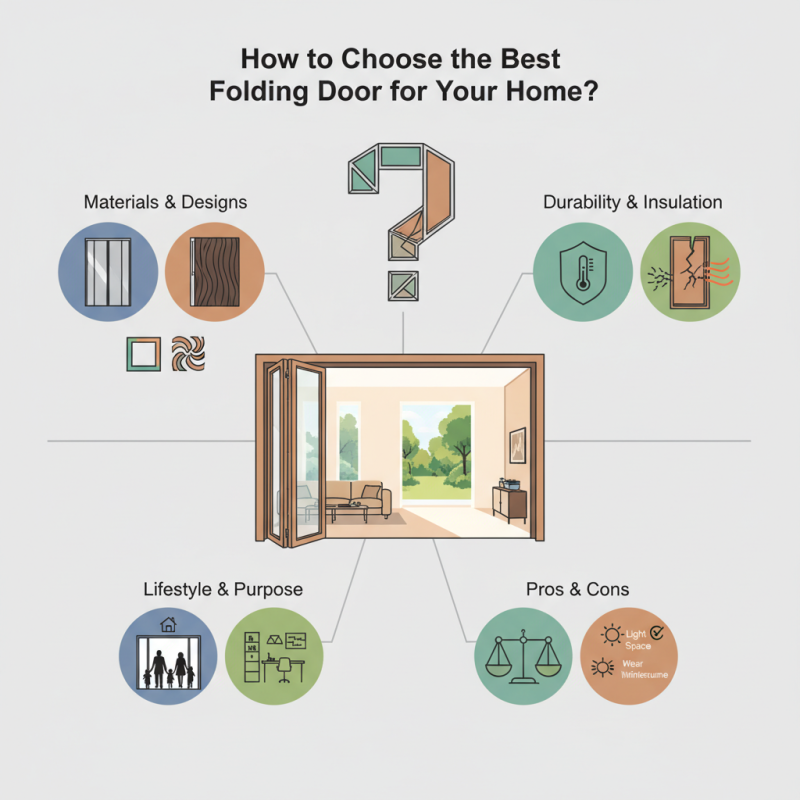
Folding doors are not just a functional choice; they can enhance your home's aesthetic appeal. Consider materials and designs that suit your style and needs. Do you want a modern look with aluminum frames or a classic vibe with wood? These choices matter.
However, not all folding doors are created equal. Some options may wear out quickly or fail to provide adequate insulation. It’s vital to weigh the pros and cons based on your unique situation. Reflecting on your lifestyle and the space's purpose is crucial. A thoughtful decision here will yield the best results for your home.
Factors to Consider When Selecting Folding Doors for Residential Spaces
Choosing the right folding door for your home involves several important factors. A recent industry report highlights that 75% of homeowners prioritize energy efficiency when selecting doors. Thermal performance can significantly affect heating and cooling costs. Well-insulated doors keep homes comfortable and can save up to $30% on energy bills.
Aesthetics are also crucial. Homes benefit from visually appealing doors that complement existing decor. The 2022 Design Trends report reveals that 68% of homeowners prefer modern, sleek designs. The material plays a vital role here. While wood offers a classic look, aluminum is known for durability and low maintenance. Each material has its pros and cons that require careful consideration.
Cost is another key factor. According to market research, folding doors can range from $1,000 to $5,000, depending on size and quality. It's essential to balance affordability with features. Sometimes, the cheapest option can lead to more repairs down the line. Therefore, investing in quality might seem daunting but it often pays off.
Material Options for Folding Doors: A Comparative Analysis
When selecting folding doors for your home, material options play a crucial role. Common materials include wood, aluminum, and vinyl. Wood offers warmth and aesthetics but can warp with humidity. Aluminum stands out for its durability and minimal maintenance. In contrast, vinyl provides energy efficiency at a lower price point but might not have the same robustness as metal.
Industry reports indicate that about 55% of homeowners prefer wood for its superior insulation properties. However, it requires regular upkeep. Aluminum doors, favored by 30% of buyers, resist corrosion and are long-lasting. A few homeowners still opt for vinyl, generally considered an affordable option, but some find it lacks the upscale look of wood or metal.
Tips:
1. Assess your local climate. This will impact the longevity of your chosen material.
2. Consider how often you'll need to maintain the door. Regular care could be a hassle.
3. Evaluate whether the aesthetics align with your home’s overall design. A mismatched style may detract from your space.
Be ready to reflect on your choices. What works for one home may not fit another. Each material has strengths and weaknesses. Make a decision that feels right for your lifestyle and preferences.
How to Choose the Best Folding Door for Your Home?
| Material | Durability | Maintenance | Cost | Aesthetic Appeal |
| Wood | High | Medium | $$$ | Warm, Natural |
| Aluminum | Very High | Low | $$ | Sleek, Modern |
| Vinyl | Medium | Very Low | $ | Various Colors |
| Fiberglass | High | Low | $$$ | Stylish |
| Composite | High | Medium | $$$ | Versatile |
Energy Efficiency Standards and Ratings for Folding Doors Explained
When choosing a folding door for your home, energy efficiency is crucial. Folding doors can greatly impact your energy consumption. According to the U.S. Department of Energy, around 30% of a home's energy is lost through inefficient doors and windows. Selecting energy-efficient folding doors can lead to significant savings.
Look for doors with a high R-value. This rating indicates thermal resistance. A higher R-value means better insulation. Energy Star certified products often meet strict efficiency standards, ensuring quality. In one study, homes with Energy Star windows showed up to 15% savings on heating and cooling costs.
Tip: Compare U-factor ratings. A lower U-factor indicates less heat transfer. Look for a U-factor below 0.30 for optimal performance.
Consider the material of the folding door. Wood, fiberglass, and aluminum can have different energy performances. Research shows that fiberglass doors are often more efficient than solid wood. However, wood provides a more natural aesthetic.
Tip: Always check airflow ratings. Doors that minimize air leakage will enhance comfort. A small gap can increase your energy bill. Reflect on choosing a folding door that balances aesthetics and efficiency for your lifestyle.
Energy Efficiency Ratings of Folding Doors
This chart illustrates the energy efficiency ratings of different types of folding doors based on U-factor and Solar Heat Gain Coefficient (SHGC). Higher ratings indicate better energy performance.
Installation Techniques and Professional Recommendations for Folding Doors
When considering folding doors for your home, installation techniques play a vital role. Proper placement can enhance functionality and aesthetics. Begin by measuring the door frame accurately. Many homeowners underestimate the importance of precise measurements. Too often, they find their chosen door doesn’t fit well. Double-checking dimensions can save time and frustration later.
Once you have your measurements, it’s time to decide on the hardware. High-quality tracks and hinges are essential for smooth operation. Some homeowners overlook this detail, leading to doors that stick or are hard to maneuver. Opt for adjustable hardware if you’re uncertain. This can help accommodate any minor mistakes during installation.
Professional recommendations are also valuable. Many experts suggest consulting before installation. They can provide insights into local climate considerations and the best materials for your area. Ignoring this advice may result in doors that warp or do not function correctly over time. Engaging with a professional can help ensure a successful project.
Maintenance Tips and Lifespan Expectations for Folding Doors in Homes
When considering folding doors for your home, it's important to understand the maintenance tips and lifespan expectations. Proper care can significantly extend the life of your doors.
Regular cleaning is essential. Dust and debris can accumulate in the tracks and hinges, leading to operational issues. Use a damp cloth to wipe down the surfaces. Make sure the tracks are free of obstructions. Small interruptions can lead to larger problems later on.
Lubricate the hinges every few months. A simple spray lubricant can keep the door moving smoothly. Skipping this step can cause wear and tear over time. Also, check for any misalignments. If the door isn’t closing properly, adjust it as soon as possible to avoid further damage.
Folding doors typically last 10 to 15 years with proper maintenance. However, exposure to extreme weather can shorten this lifespan. Make sure to inspect your doors regularly. Staying proactive can save you from costly repairs. Keeping your folding doors in good shape requires some effort. But the rewards are worth it.