×

How to Choose the Best CNC Turning Center for Your Needs?

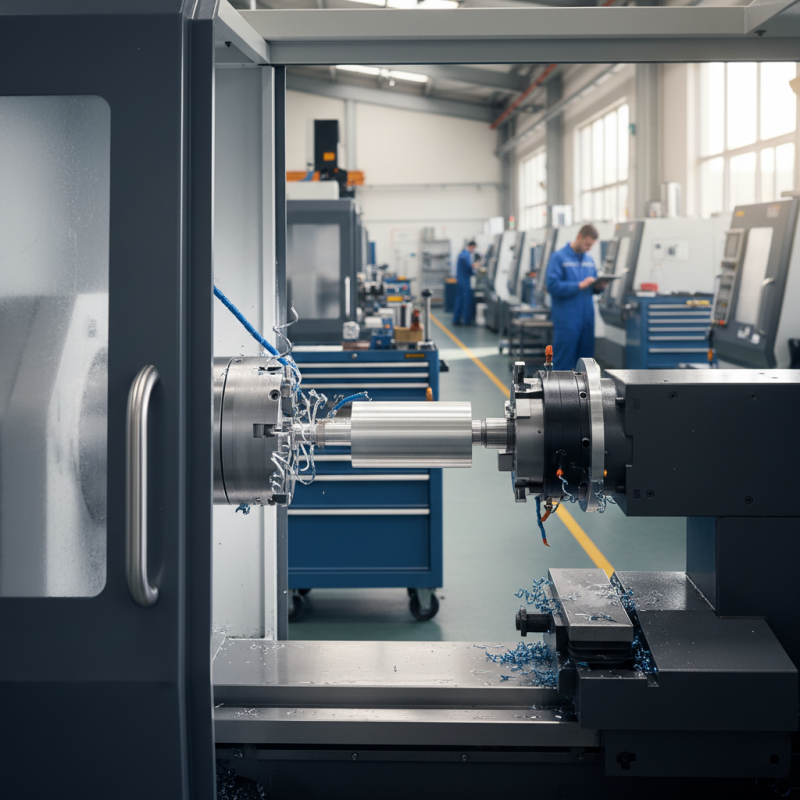
Choosing the right CNC Turning Center is crucial for your machining needs. With various options available, it can be overwhelming. This equipment plays a vital role in precision manufacturing. You need to consider many factors before making a decision.

First, assess your production requirements. What materials will you work with? Different CNC Turning Centers excel in various materials. Think about the size and complexity of the parts you will produce. Do you need high precision or faster production speed?

Another crucial aspect is the budget. CNC Turning Centers vary in price significantly. Sometimes, the cheapest option may lack the necessary features. You may want to reflect on your long-term needs as well. Investing in quality may save you costs in the future. Remember, the ideal CNC Turning Center should align with your unique production demands.
How to Choose the Best CNC Turning Center for Your Needs?

Overview of CNC Turning Centers and Their Applications

CNC turning centers are vital in modern manufacturing. They produce intricate parts with high precision. These machines handle various materials, including metals and plastics. Applications range from automotive to aerospace. Each industry benefits from the accuracy and efficiency of CNC technology.

When choosing a CNC turning center, consider your specific needs. Think about the size of the parts you will produce. The complexity of your designs also matters. Higher complexity requires more advanced machines. A machine with limited capabilities can lead to inefficiencies.

Tip: Evaluate the speed and accuracy of different models. Speed affects production time, while accuracy impacts quality.

Don't overlook maintenance needs. Some machines require significant upkeep. Regular maintenance can prevent costly downtimes. However, this adds to operational complexity.

Tip: Analyze your budget and planned usage. Sometimes a cheaper option doesn't offer the best value long-term. Choose wisely by also considering future growth.

Key Considerations in CNC Turning Center Selection

Choosing the right CNC turning center involves several key considerations. One crucial factor is the machine's capabilities. For instance, the size of the workpiece affects the choice. A typical CNC turning center handles jobs ranging from small precision components to larger industrial parts. Notably, a survey by the Business Intelligence Group revealed that 57% of manufacturers prioritize flexibility when selecting a machine.

Another important consideration is the control system. Many operators prefer user-friendly interfaces that simplify programming. A complex control system can lead to inefficiency and errors. A study from the Advanced Manufacturing Office highlighted that clear programming languages can reduce setup times by up to 30%. This efficiency is essential in today's competitive landscape.

Maintenance and support also play vital roles in the decision-making process. Some machines require more frequent servicing, which can impact production schedules. For example, a report by the Machine Tool Technology Association noted that neglecting regular maintenance can lead to a 20% increase in machine downtime. Reflecting on these factors can help businesses avoid making hasty decisions that could result in operational challenges down the line.

Understanding CNC Specifications: Axis Configuration and Tool Capacity

When selecting a CNC turning center, understanding its specifications is crucial. The axis configuration plays a vital role in determining the machine's versatility. Most CNC lathes feature two to three axes. A two-axis machine can perform basic operations, while a three-axis setup allows for more complex shapes and patterns. According to industry reports, about 70% of manufacturers prefer three-axis lathes for moderate to high production levels due to their efficiency.

Tool capacity is another key specification. This aspect dictates how many tools a CNC turning center can hold. A standard machine may offer 6 to 12 tools, while advanced models can accommodate over 30. More tools mean less downtime for changing tools. However, this capacity comes with higher costs. It’s essential to evaluate how often you perform job changes. If frequent tool changes are a norm, investing in higher capacity could save significant time.

Tips: Always consider future growth when choosing specifications. Analyze your production needs now and in the nearest future. Remember, investing too heavily in features that you won't use can lead to wasted resources. Ask yourself if that extra axis or tool capacity will enhance your productivity or just add complexity.

Evaluating Precision and Accuracy Metrics in CNC Turning Machines

When selecting a CNC turning center, precision and accuracy metrics are crucial. Precision refers to the machine's ability to repeat a task consistently. If a CNC lathe delivers results that vary significantly, it can lead to wasted materials and time. Operators should prioritize machines that maintain tight tolerances, as this dramatically affects product quality. A deviation of just a few microns can impact the final output.

Accuracy measures how close the machine's output is to the desired value. For example, if cutting a part to a specific dimension, the machine must consistently achieve that measurement. Indicators like static accuracy and dynamic accuracy play pivotal roles in assessing this capability. In real-world applications, some CNC machines might not deliver perfect results every time. Understanding these metrics helps operators anticipate issues and adjust as needed. Often, learning curves accompany these machines, where early mistakes are common and should be addressed.

Finally, consider the details that influence choice. Metric specifications, environmental conditions, and maintenance routines all play a part. A company's unique production needs will shape what precision metrics matter most. Reflecting on these aspects may reveal gaps in understanding or areas needing improvement. Striving for excellence in precision and accuracy is an ongoing journey, often requiring continual evaluation and adjustment.

How to Choose the Best CNC Turning Center for Your Needs? - Evaluating Precision and Accuracy Metrics in CNC Turning Machines

Metric Value Comments
Max Spindle Speed (RPM) 6000 High speed for efficient machining
Max Turning Diameter (mm) 350 Suitable for larger workpieces
Repeatability (μm) 5 Excellent precision for fine machining
Max Feed Rate (mm/min) 8000 Increases productivity for large batches
Tool Holder Type BTA Allows for quick tool change
Machine Weight (kg) 2500 Stable operation with reduced vibrations

Cost-Benefit Analysis: Investing in CNC Turning Centers for Your Business

When considering CNC turning centers, a cost-benefit analysis is crucial. These machines represent a significant investment. However, they can greatly enhance productivity. A well-chosen CNC turning center can reduce labor costs and improve precision. Efficient machining reduces material waste, which translates to savings. Over time, the initial investment may pay off through increased efficiency.

Businesses must also assess the machine's capabilities and their specific needs. Are you producing high-volume parts or custom pieces? Understanding your requirements helps in selecting the right features. A basic model may seem cheaper, yet it could limit your operations. On the other hand, an advanced machine may be overwhelming for simpler tasks. It's important to weigh these factors carefully.

Returning to the investment aspect, maintenance plays an essential role. A high maintenance cost can offset savings. Reliable service options should be a priority in your decision-making. Consider total costs over the machine's lifespan. This perspective helps in making informed choices that align with your business objectives. As you navigate these decisions, reflection on your specific goals will lead you to the best CNC turning center for your needs.