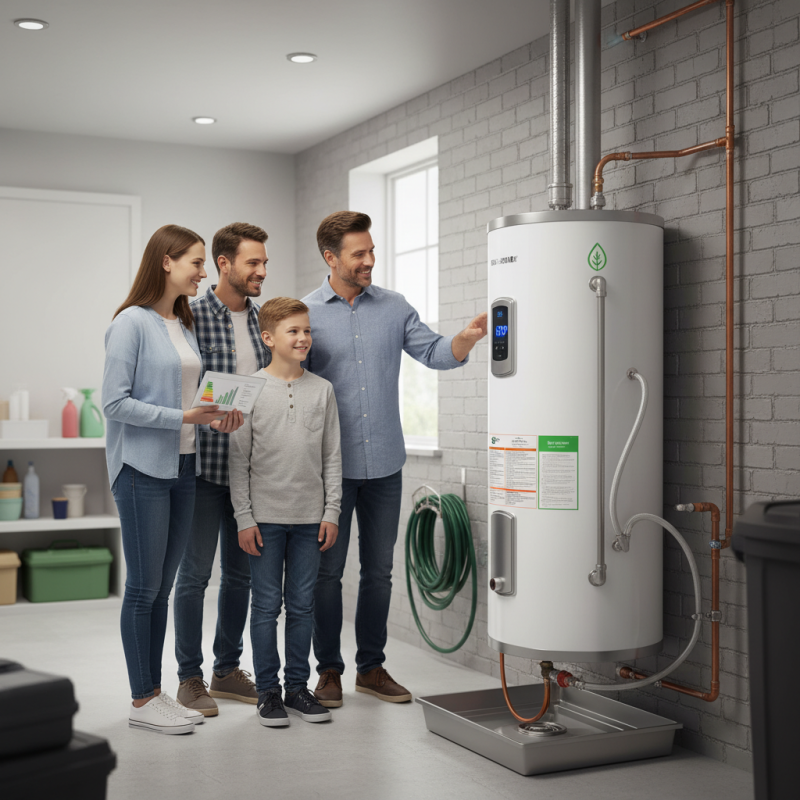
2026 How to Choose the Best Electric Water Heater for Your Home
Choosing the right Electric Water Heater is crucial for your home. An electric water heater can provide comfort and efficiency. It affects your energy bills and daily routines.
When selecting an electric water heater, consider your family's needs. Think about the size and capacity. An undersized unit might leave you with cold showers. A larger one may waste energy.
It's essential to evaluate the energy efficiency ratings. Higher ratings mean lower operating costs. Brands may vary significantly in reliability and longevity. Researching customer reviews can help you make informed decisions. You want to invest wisely, not regret later. Remember, the right electric water heater balances performance with your budget.
Understanding Electric Water Heaters: Types and Technologies
Choosing the right electric water heater can be challenging. Various types of electric water heaters are available, each with distinct features. Understanding these options is crucial for making an informed decision.
Tank-style electric water heaters store hot water in a large tank. They provide a steady supply, but they may result in energy waste when water isn’t used. On-demand models, also called tankless heaters, heat water directly as needed. This option can save energy and reduce costs, yet some users find limited output during peak demand times.
Heat pump water heaters are another option. They work by transferring heat from the air or ground to heat water. This method is energy-efficient and reduces greenhouse emissions, but it might not perform well in very cold climates. Exploring these types is essential, yet it’s important to consider your home’s specific needs and limitations.
Assessing Your Home's Hot Water Needs and Capacity Requirements
When choosing the best electric water heater, assessing your home's hot water needs is crucial. Analyze your household size and usage patterns. Are you a family of five? You may require a larger capacity unit. If it's just two people, a smaller model could suffice.
Consider your peak usage times. For instance, if everyone showers in the morning, you might need a heater that can deliver hot water quickly. Also, think about routine tasks—like laundry or dishwashing—during those hours. This helps prevent cold surprises.
**Tips:**
Look at recovery rates. This tells you how fast a heater can provide hot water after consuming it. Don't overlook energy efficiency, too. Electric water heaters can vary in energy use, affecting your bills. A more efficient unit may save money over time.
Reflect on installation. Sometimes, space or electrical capacity limits options. Measure your available area and check electrical requirements. An expert can help here. Remember, making the right choice means considering these details.
2026 How to Choose the Best Electric Water Heater for Your Home - Assessing Your Home's Hot Water Needs and Capacity Requirements
| Home Size (sq ft) | Number of Residents | Daily Hot Water Demand (gallons) | Recommended Heater Capacity (gallons) | Energy Efficiency Rating (U.S. DOE) |
| 1,000 | 2 | 30 | 30-40 | 0.90 |
| 1,500 | 4 | 45 | 40-50 | 0.91 |
| 2,000 | 6 | 60 | 50-65 | 0.92 |
| 2,500 | 8 | 75 | 65-80 | 0.93 |
Energy Efficiency Ratings: What to Look For in an Electric Water Heater
When selecting an electric water heater, energy efficiency is crucial. Look for models with high Energy Factor (EF) ratings. The U.S. Department of Energy suggests choosing units with an EF of 0.90 or higher. This rating indicates that less energy is wasted. Consumers might be surprised to learn that even minor improvements in efficiency can lead to significant savings on energy bills.
Consider the insulation of the tank as well. A well-insulated tank reduces heat loss. According to the American Council for an Energy-Efficient Economy, insulating your water heater can save about 10-20% on water heating costs. Pay attention to recovery rates as well. They indicate how quickly the heater can refill the tank with hot water.
Remember, not all high-efficiency models are suitable for every household. They may come with higher upfront costs. Weighing these against long-term savings is essential. Also, installation should be factored in. A poorly installed heater can negate energy efficiency gains. It’s vital to ensure that the equipment is correctly set up for optimal performance.
Energy Efficiency Ratings of Electric Water Heaters
This chart illustrates the energy efficiency ratings of different electric water heaters based on the Energy Factor (EF) ratings, which indicate how efficiently a water heater converts energy into hot water. Higher EF ratings signify more efficient models.
Installation Considerations: Space, Plumbing, and Electrical Requirements
Choosing the right electric water heater requires careful consideration of installation aspects. Space is a fundamental factor. A typical electric water heater needs a minimum of 60 inches in height and 24 inches in width for proper installation. Furthermore, consider the location. The unit should be close to plumbing lines to reduce heat loss. According to industry reports, approximately 20% of energy costs can arise from long-distance water transport.
Plumbing and electrical requirements are equally crucial. Ensure your home's plumbing system can accommodate the water heater's inlet and outlet sizes. Most electric models operate on a 240V supply, requiring adequate wiring. An electrician should examine your electrical panel for compatibility. Reports indicate that improper installation may lead to inefficiencies, increasing energy consumption by up to 30%.
Safety codes must also be adhered to always. Ventilation is necessary in some instances, while others may require special drainage setups. Neglecting these aspects can result in safety hazards or equipment damage. Reflecting on the installation process often reveals overlooked details that can significantly impact overall efficiency. Proper planning and consultation with experts can help avoid these pitfalls.
Budgeting for Your Purchase: Costs Beyond Just the Heater Itself
When budgeting for an electric water heater, consider more than just the initial purchase price. Installation costs can vary significantly. Typically, installation ranges from $300 to $1,500, depending on the complexity. A good plan can save you money in the long run.
Maintenance is another crucial expense. Regular check-ups are essential for ensuring efficiency and longevity. Annual servicing, which may cost around $150, can prevent major repairs later. A study by the Department of Energy shows that neglecting maintenance can lead to a 25% increase in energy use.
Factor in the energy efficiency rating as well. Higher-rated models might cost more upfront but can save up to $400 yearly in energy bills. This means that, over time, the savings could offset the initial investment. Many homeowners overlook these costs and focus solely on the heater itself, which can lead to unpleasant surprises in their budgets.