How to Choose the Right DC High Pressure Pump for Your Needs?
Choosing the right Dc High Pressure Pump can be challenging. With a variety of options available, understanding your specific needs is crucial. Each application demands different performance characteristics. This guide aims to simplify your decision-making process.
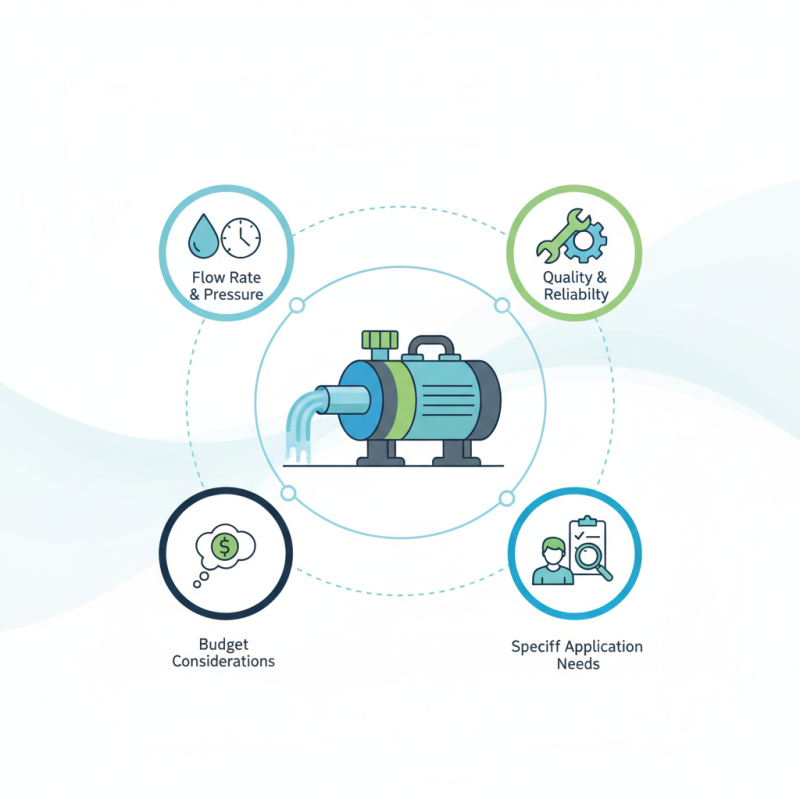
When selecting a DC High Pressure Pump, consider the flow rate and pressure requirements. Different pumps offer various capabilities suited for tasks like cleaning and irrigation. A pump that operates efficiently can save time and resources. However, picking the wrong model may lead to inefficiency.
Moreover, quality and reliability matter significantly. A dependable pump means less downtime for maintenance. Evaluate product reviews and testimonials. Seek expertise from knowledgeable professionals to ensure you make an informed choice. Remember, the best choice aligns with your project’s demands and budget considerations. Reflect on your specific needs as you explore options.
Understanding the Different Types of DC High Pressure Pumps
When selecting a DC high pressure pump, understanding the different types is crucial. There are several key categories. These include diaphragm pumps, gear pumps, and centrifugal pumps. Each type has its strengths and weaknesses, and their suitability may vary based on your specific application.
Diaphragm pumps are known for their versatility. They excel in handling viscous fluids and slurries. However, they may not provide consistent pressure at extremely high rates. On the other hand, gear pumps offer precise flow rates. They are ideal for applications requiring a consistent output. Yet, they can struggle with abrasive fluids, leading to wear over time.
Centrifugal pumps are widely used for clean liquids. They are efficient and simple to maintain. But they may not handle high-viscosity fluids effectively.
While choosing the right pump, consider these factors. Reflect on your specific needs, including fluid type and pressure requirements. Not every pump will fit perfectly; sometimes compromises must be made.
Key Factors to Consider When Selecting a DC High Pressure Pump
Choosing the right DC high pressure pump requires careful consideration of several key factors. One important aspect is the flow rate. This measurement determines how much liquid the pump can move within a specific time frame. Ensure the pump meets your operational requirements, whether for a home project or an industrial application. A mismatch can lead to inefficiencies or equipment damage.
Next is the pressure rating. This indicates how high the pump can push the liquid. If the pressure is too low, tasks like cleaning or irrigation may be ineffective. A pump with excessive pressure can harm delicate systems. Balance is essential.
Finally, examine the pump's construction materials. For instance, compatibility with your fluid is crucial. Corrosive fluids require specific materials to avoid damage. Researching these factors can seem daunting, but it is necessary for ensuring reliability and performance in the long run. Always consult with experts to avoid common pitfalls.
DC High Pressure Pump Performance Comparison
This bar chart compares the performance of three different DC high pressure pumps across five key metrics: Flow Rate, Pressure, Power Consumption, Noise Level, and Weight. It helps in identifying which pump meets specific requirements for different applications.
Assessing Flow Rate and Pressure Requirements for Your Application
When choosing a DC high-pressure pump, understanding flow rate and pressure requirements is crucial. These parameters define how effectively your pump will operate in its specific application. For example, industrial studies indicate that a flow rate between 0.5 to 20 gallons per minute (GPM) is common for many applications. If your requirements exceed this range, you may need a more specialized solution.
Pressure is another vital factor. Typically, DC high-pressure pumps operate between 40 to 500 psi, depending on the application's demands. Pumps exceeding 300 psi are often used in high-precision tasks, such as pharmaceutical manufacturing or automated cleaning systems. However, it's important to reflect on your system’s limitations. Selecting a pump with excessive pressure can lead to premature wear or failure.
In conclusion, evaluating specific flow and pressure needs is necessary but can also be complex. One must consider not just the numbers but the entire system’s compatibility. Careful measurement and a thorough understanding of your operational context can prevent costly mistakes. Remember, it’s better to reassess than to rush into decisions that affect performance negatively.
Evaluating Pump Materials and Compatibility with Fluids
Choosing the right materials for DC high pressure pumps is crucial. Different fluids require specific materials. For example, water and chemicals can have varying effects on materials used in pumps. If the material is not compatible, it can lead to failures. Metal parts might corrode when exposed to certain fluids. Plastic components can degrade too. It is essential to consider chemical compatibility.
Evaluate your fluid's properties. Check for temperature and viscosity requirements. Some fluids may require pumps made from specialized materials. For instance, corrosive fluids need pumps built with resistant metals or linings. This can be costly but prevents breakdowns. Always review manufacturer specifications for compatibility.
Reflecting on experiences is valuable. Some users overlook material compatibility, encountering issues later. A pump might perform well initially, but long-term compatibility is a must. Ask industry experts when in doubt. Their insights can save you time and money. Ultimately, thorough research on materials can ensure the reliability of your pump system.
Reviewing Efficiency and Energy Consumption of Pump Options
Choosing the right DC high-pressure pump involves careful consideration of efficiency and energy consumption. It’s crucial to assess the operational environment. High-efficiency pumps can reduce energy costs significantly. According to a recent report from the Hydraulic Institute, pumps account for nearly 20-50% of a facility's energy consumption. Selecting a pump with a good efficiency rating can translate to substantial savings over time.
When evaluating pump options, look for models that offer variable speed drives. These systems can adjust pump speed according to demand, optimizing energy use. The Department of Energy emphasizes that such pumps can reduce energy consumption by up to 30%. However, these advanced systems may have higher upfront costs. Balancing initial investment with long-term savings is essential.
Tip: Always check energy ratings before making a decision. Look for pumps with energy efficiency certifications. They provide a reliable benchmark for performance. Remember that lower efficiency pumps may seem cheaper initially, but they often result in higher operational costs. So, consider the full lifecycle cost, not just the purchase price. Every small choice impacts overall performance and efficiency.
How to Choose the Right DC High Pressure Pump for Your Needs? - Reviewing Efficiency and Energy Consumption of Pump Options
| Pump Type | Max Pressure (psi) | Flow Rate (GPM) | Efficiency (%) | Power Consumption (W) | Price ($) |
| Diaphragm Pump | 150 | 2.5 | 85 | 120 | 300 |
| Gear Pump | 200 | 3.0 | 90 | 150 | 450 |
| Piston Pump | 300 | 1.5 | 80 | 200 | 600 |
| Centrifugal Pump | 100 | 5.0 | 75 | 80 | 250 |