China Best Tornado Toilet Manufacturer and Supplier
Choosing a China-based Tornado Toilet manufacturer or supplier means looking beyond a polished product photo. Buyers need dependable flushing performance, consistent ceramic quality, practical installation details, and responsive after-sales communication. A tornado-style flush directs water around the bowl to help carry waste away, but results depend on the design and installation. Small details matter. Ask how each model is tested, including flushing, leakage, glazing, and outlet compatibility. Request product specifications, inspection records, and sample approval before placing a large order. These steps reduce uncertainty, though they cannot remove every risk.
A reliable supplier should explain the toilet’s dimensions, rough-in options, water requirements, packaging, and available replacement parts in plain terms. Clear answers are useful; vague promises are not. Buyers can compare factory capabilities, product consistency, lead times, and communication rather than relying on the word “best” alone. If possible, inspect a sample and check its finish, flushing behavior, and fittings under realistic conditions. Also confirm what quality checks apply to the specific order, since processes may differ between models or production runs. A supplier may offer attractive pricing yet provide limited support after delivery. That trade-off deserves careful thought. The right partner is one that shares verifiable product information, flags limitations, and helps buyers assess whether a Tornado Toilet suits their project.
What Is a Tornado Toilet and How Does Its Flushing System Work?
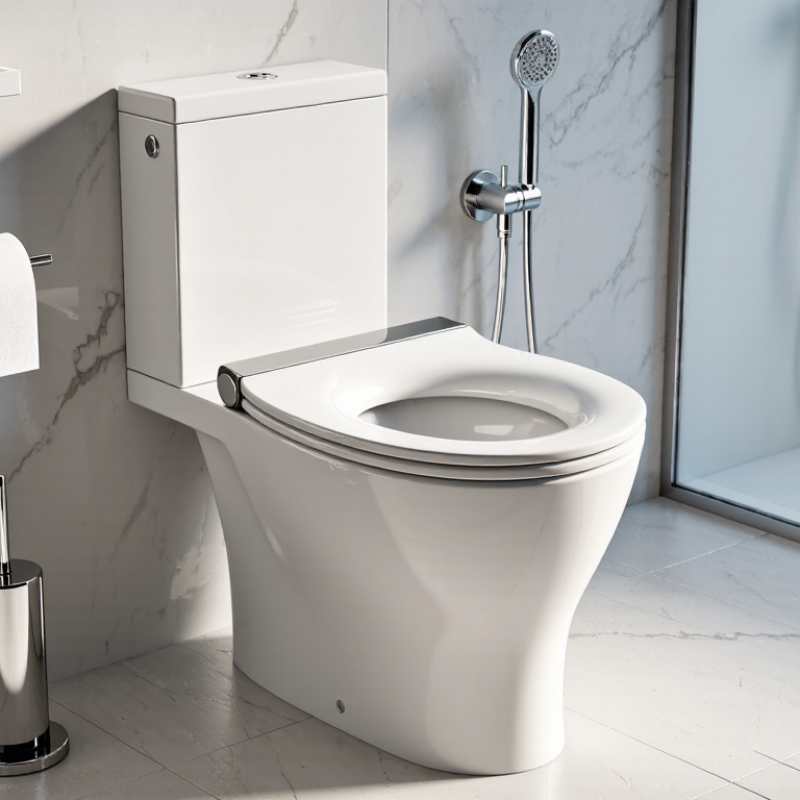
A tornado toilet uses a circular flushing pattern to move water around the bowl. Instead of sending water straight down from several rim holes, its channels or directed jets guide water along the inner surface. This creates a swirling flow that helps rinse the bowl before water and waste pass through the trapway.
When the flush begins, water enters through the rim and, in some designs, a separate jet near the bowl’s base. The rotating stream carries debris toward the outlet, while the trapway’s shape and siphon action help clear the contents. The exact sequence varies by model. That matters. A “tornado” label does not guarantee identical performance or lower water use; bowl shape, jet placement, and flush volume all play a part. The swirl can look powerful, but the plumbing does much of the work.
In everyday use, a clean rim channel and correctly adjusted water level help maintain consistent flow. Mineral deposits can narrow small passages over time, so weak swirling may point to a maintenance issue rather than a faulty flushing concept. Results also depend on installation and drainage conditions. It is not magic, just directed water and careful engineering.
China Best Tornado Toilet Manufacturer and Supplier - What Is a Tornado Toilet and How Does Its Flushing System Work? | Topic | How It Works or What to Know | Practical Consideration |
| What is a tornado toilet? | A toilet designed to direct water around the bowl in a circular flow during flushing. “Tornado” describes a flushing approach; the exact design varies by toilet. | Check the product’s technical specifications, as flushing layouts and performance differ between models. |
| Water entry | Water from the cistern or tank enters through one or more directed outlets, often positioned to encourage circulation around the bowl. | Outlet location and bowl geometry affect how water moves, so the term alone does not specify a particular mechanism. |
| Circular bowl flow | The directed flow travels around the bowl, helping distribute water over its surface during the flush. | Rim design, water pressure, and the shape of the bowl can influence coverage and cleaning. |
| Waste removal | In many gravity-fed toilets, flushing releases stored water into the bowl and creates flow through the trapway. Some designs use siphonic action to help move waste into the drain. | A circular bowl flow and siphonic action are related parts of a flush in some toilets, but they are not interchangeable terms. |
| Rim and outlet design | Some models use a rimless bowl or defined water outlets instead of a conventional concealed rim channel. Other models use different bowl and rim arrangements. | Review cleaning access, outlet configuration, and the manufacturer’s cleaning instructions before choosing a model. |
| Flush volume | Flush volume is model-specific. In the United States, 1.28 gallons per flush (about 4.8 litres) is a recognized WaterSense maximum for qualifying tank-type toilets; not every tornado-style toilet is WaterSense certified. | Confirm the rated gallons or litres per flush on the product specification and check applicable local requirements. |
| Performance factors | Flush performance depends on the complete toilet design, including the bowl, trapway, water outlets, flush volume, and installation conditions. | Look for documented independent test results or applicable certification rather than relying on a flushing-style description alone. |
| Installation compatibility | Toilet rough-in, outlet connection, water supply, and mounting arrangement must match the bathroom and plumbing system. | Measure the existing rough-in and verify connection details before ordering or installing a replacement. |
How Are Tornado Toilets Designed and Manufactured in China?
How Are Tornado Toilets Designed and Manufactured in China?
Tornado toilets are engineered to move water in a circular path around the bowl. Designers shape the rim channels, jet openings, bowl contour, and trapway to create a steady swirl without sacrificing waste removal. In Chinese factories, production commonly begins with ceramic slurry cast in molds. The green body is dried, glazed, and kiln-fired. Firing temperatures vary by body and kiln, so each factory must control its own process carefully.
Small changes matter. A slightly uneven jet can weaken the rotation or leave residue in the bowl. Quality checks therefore examine dimensions, glaze coverage, flushing performance, leakage, and ceramic defects. Some plants use automated inspection, while operators still assess details that machines may miss. That balance is not perfect; inspection methods and test conditions can differ between suppliers.
Water use is another design constraint. The U.S. EPA WaterSense tank-type toilet specification sets a maximum of 1.28 gallons per flush, at least 20% below the 1.6-gallon federal standard. This is a useful benchmark, not proof that every tornado model meets it. Manufacturers should verify water consumption alongside flush performance using documented test procedures. Buyers can request test results, production samples, and checks on repeat batches before approving an order.
What Qualities Define a Leading Chinese Tornado Toilet Supplier?
A leading Chinese tornado toilet supplier can explain how its flushing design moves water around the bowl and carries waste toward the trapway. Clear technical answers matter. Ask for test data on flushing performance, water use, and leak resistance, rather than relying on polished product photos. Check that ceramic bodies have an even glaze, smooth edges, and no visible pinholes. These details affect cleaning and everyday durability.
Tips: Request a sample and installation drawing. Confirm rough-in dimensions, water inlet position, packaging protection, and spare-part availability before ordering.
Reliable suppliers also provide consistent inspection records and communicate changes promptly. Ask how they check each production batch, including glaze finish and flush function. A small trial order can reveal packing weaknesses, slow responses, or differences between samples and finished units. No supplier is perfect; even a clear process can miss a defect. What matters is whether the supplier documents issues and offers a practical way to address them. Compare written specifications carefully, and keep agreed tolerances on file.
Which Standards and Features Matter When Comparing Tornado Toilets?
China Best Tornado Toilet Manufacturer and Supplier
Which Standards and Features Matter When Comparing Tornado Toilets?
When comparing tornado toilets, check whether each model meets the plumbing and water-efficiency requirements applicable in your market. Ask for current test documentation rather than relying on phrases such as “powerful flush.” Look for measured flush performance, water use per flush, and evidence of consistent waste removal under defined test conditions. Standards vary by region, so confirm that the documentation matches your installation location.
Design details affect daily use. A fully glazed trapway can help waste move smoothly, while rim design and bowl shape influence cleaning and splash control. Check the rough-in distance, outlet position, water-supply connection, and seat compatibility before ordering. Flush noise matters in small homes, too. A product sheet may look impressive, but it cannot show how easily the toilet can be serviced. That is worth checking.
Tips: Ask the supplier for installation drawings, test reports, warranty terms, and spare-parts availability. Compare comparable models using the same test criteria. If possible, inspect the flush in person; one demonstration is useful, but not conclusive.
How Can Buyers Evaluate and Select a Chinese Tornado Toilet Manufacturer?
China Best Tornado Toilet Manufacturer and Supplier
How Can Buyers Evaluate and Select a Chinese Tornado Toilet Manufacturer?
Choosing a Chinese tornado toilet manufacturer starts with evidence, not showroom photos. Ask for flushing test records that state the water volume, test method, and operating conditions. A single impressive demonstration proves little. Bowl shape, water pressure, and installation can affect results. Compare product drawings with your project’s rough-in distance, outlet position, and seat dimensions. Request material details for the ceramic body, glaze, flush fittings, and sealing components. These specifics help buyers compare similar-looking models fairly.
Review how the supplier manages production quality. Ask whether inspections cover glaze defects, dimensional accuracy, flushing performance, and leak checks. Request recent sample photos or arrange a sample inspection before approving a larger order. Also confirm packaging details: a toilet can pass factory checks yet arrive chipped after a long shipment. Discuss spare parts, replacement procedures, production lead times, and warranty terms in writing. Factory visits or live video tours can help, though neither replaces product testing. No checklist catches every issue.
Tips: Send a clear specification sheet, including water-use targets and installation measurements. Compare quotations line by line. Ask what happens when a batch fails inspection. If an answer is vague, pause and ask again. Buyers sometimes focus too much on price; that is understandable, but a low quote may omit fittings, protective packaging, or after-sales support.
How to Evaluate a Chinese Tornado Toilet Manufacturer
Suggested evaluation weights for comparing suppliers. These are a practical buyer-defined framework, not market-survey results; adjust them to your project requirements.
Compare suppliers using the same criteria, request supporting documents and test results, and score each supplier against your needs before making a decision.