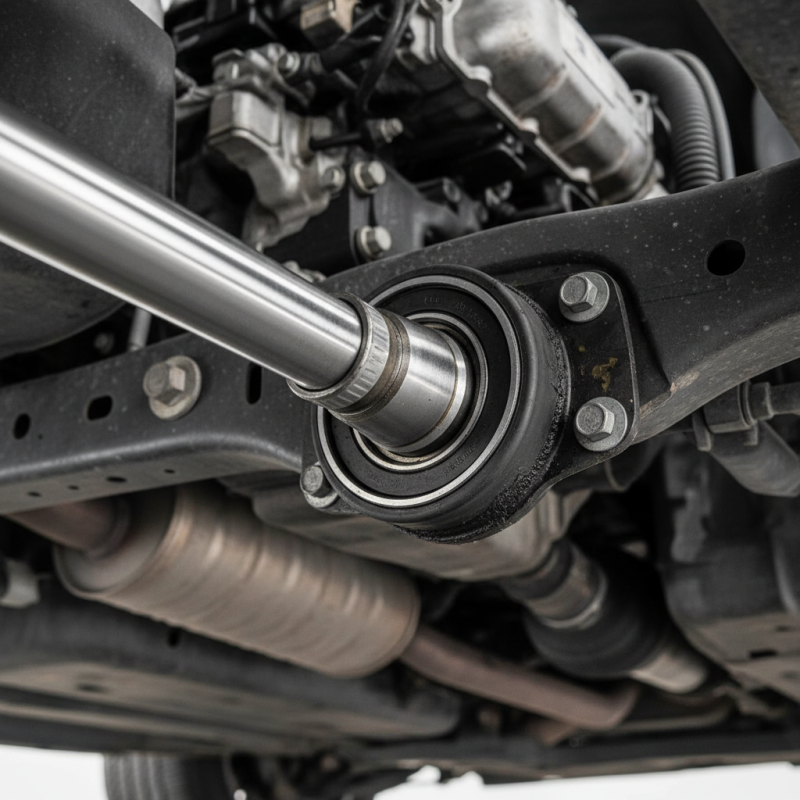
What is Center Bearing and Why is it Important for Vehicles?
The Center Bearing is a crucial component in many vehicles. It supports the drive shaft, ensuring smooth power transfer from the engine to the wheels. Without proper function, serious issues may arise. A faulty Center Bearing can lead to vibrations, noise, and even loss of control while driving.
Understanding the importance of the Center Bearing is essential. It plays a vital role in vehicle stability and performance. When this part fails, it can compromise safety and increase maintenance costs. Drivers may ignore it until problems escalate. Regular checks can prevent such situations.
In many cases, drivers may not recognize the signs of wear. This can lead to further damage down the line. Awareness and timely action are key. Ultimately, the Center Bearing deserves more attention than it typically receives. Regular maintenance and inspections can save time and money in the long run.
What is a Center Bearing in Vehicles?
A center bearing is a vital component in a vehicle's drive shaft system. It supports the shaft and helps maintain alignment during operation. When a car accelerates or decelerates, the center bearing absorbs vibrations and stabilizes the entire system. This helps ensure smoother rides and efficient power transfer. According to a report by the Society of Automotive Engineers, incorrect alignment can lead to significant wear on other drivetrain components.
Regular maintenance of the center bearing can prevent costly repairs. Signs of a failing center bearing include unusual vibrations and noise during acceleration. If drivers notice these symptoms, inspection is crucial. A neglected bearing can cause damage to the driveshaft and surrounding parts.
Tip: Check the center bearing during routine vehicle inspections. Keeping an eye on this part can save money in the long run. Remember, not all vibrations indicate a center bearing issue, but it's worth exploring if problems arise. Regular checks help maintain vehicle performance.
The Functionality of Center Bearings in Drivetrain Systems
Center bearings play a crucial role in the drivetrain systems of vehicles. They support the driveshaft, maintaining its alignment and stability. A well-functioning center bearing ensures smooth power transmission from the engine to the wheels. This is vital, as even a minor misalignment can lead to excessive vibrations and wear.
According to industry reports, up to 80% of drivetrain issues stem from bearing failures. Neglecting the center bearing can escalate repairs. Research indicates that regular inspection can reduce drivetrain failure rates by about 30%. This emphasizes the importance of seasonal maintenance.
Furthermore, heavy-duty vehicles often face unique challenges with center bearings. They endure high torque and stress, increasing the likelihood of failure. Over time, dirt and debris can accumulate, leading to corrosion. Addressing these factors early can significantly extend a vehicle's lifespan and optimize its performance. Engaging in proactive monitoring is essential for vehicle integrity. Many overlook this, but a little attention can make a big difference.
Center Bearing Importance in Drivetrain Systems
The chart above illustrates key metrics associated with the functionality of center bearings in drivetrain systems. Monitoring these parameters is crucial for ensuring optimal vehicle performance and longevity.
Importance of Center Bearings for Vehicle Performance and Safety
Center bearings play a crucial role in vehicle performance and safety. They support the driveshaft, a vital component connecting the engine to the wheels. Without proper support, vibrations can increase, leading to a rougher ride. These vibrations may cause damage over time, affecting the vehicle's lifespan.
When the center bearing fails, it may lead to unexpected movements. This can result in a loss of control, especially during high-speed driving. Drivers might experience unusual noises or vibrations that indicate a problem. Ignoring these signs could lead to serious safety issues.
Regular maintenance of the center bearing is essential. Inspections should be part of routine check-ups. Drivers may overlook this component, thinking it isn’t important. However, a healthy center bearing contributes to overall vehicle stability. Paying attention to these details can enhance safety on the road.
Common Issues and Symptoms Related to Faulty Center Bearings
Center bearings are vital for a vehicle's drive shaft system. They support and stabilize the drive shaft, ensuring smooth operation. When they fail, symptoms can be noticeable and disruptive.
Common issues with faulty center bearings include vibrations during acceleration. You may feel a constant shaking while driving. This could lead to more significant damage if ignored. Noise can also signal trouble. A whining or clunking sound often indicates wear and tear. These issues should not be dismissed.
**Tips:** Regular inspection can prevent many problems. Listen for unusual sounds while driving. Paying attention to changes can help catch issues early. If you notice excessive vibrations or sounds, visit a mechanic. These simple steps can prolong the life of your vehicle's drive system.
Maintenance Tips for Ensuring Longevity of Center Bearings
Center bearings play a crucial role in vehicle performance. Their function is to support the driveshaft and ensure smooth rotation. A well-maintained center bearing can significantly reduce vibrations and enhance driving comfort. Conversely, neglecting this component can lead to costly repairs and safety issues. According to the Automotive Engineering Society, nearly 30% of vehicle maintenance costs are linked to drivetrain components, underlining the importance of keeping center bearings in check.
To ensure the longevity of center bearings, regular inspections are vital. Look for signs of wear, such as unusual noises or vibrations while driving. One common indication is a noticeable drop in fuel efficiency. If drivers experience this, they should check the center bearing immediately. It's recommended to lubricate the bearing every 30,000 miles or so. This maintains smooth function and prevents premature wear.
Additionally, positioning is key. A poorly aligned driveshaft can put undue stress on the center bearing. Regular alignment checks will prevent misalignment and can extend the bearing's life. Remember to replace any damaged or worn bearings promptly. This simple step can save time and money in the long run. Neglecting minor repairs often leads to larger, more expensive problems.