Best Steel Scaffolding for Sale What to Consider Before Buying?
When considering steel scaffolding for sale, several factors come into play. The quality of materials is paramount. Strong steel ensures safety and durability for any construction project. Look for reliable suppliers that offer high-quality scaffolding. Inspect their ratings and customer feedback carefully.
It's essential to choose scaffolding that meets your specific project requirements. Consider the load capacity and height specifications. Will they withstand the weight of materials or tools? Also, think about assembly and disassembly. Complicated systems can lead to delays and frustration.
Lastly, price is always a concern. While you want the best steel scaffolding for sale, it’s crucial to strike a balance between quality and cost. Cheaper options may tempt you, but they might compromise safety. Be vigilant about your choices. Take the time to evaluate all aspects before making a purchase. In the end, making an informed decision can save time and money.
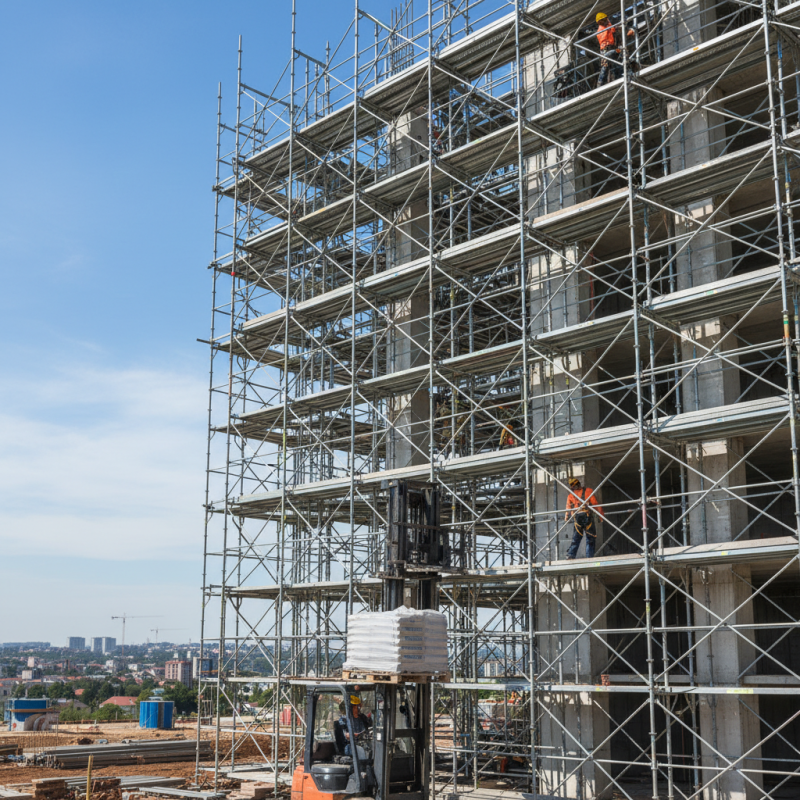
Factors to Evaluate When Choosing Steel Scaffolding
When selecting steel scaffolding, several critical factors come into play. First, assess the load capacity. This affects safety and equipment choice. Too light may lead to failures. Also, check the height and width specifications. They should match your project’s requirements. Different jobs need different setups. A tight space may require slimmer scaffolding.
Next, consider the materials used. Steel quality greatly impacts durability and safety. Look for corrosion-resistant coatings. Scaffolding often faces harsh weather. Rust can lead to significant issues. Pay attention to assembly and disassembly ease. Complicated setups waste time and may lead to mistakes. Also, inspect for flexibility in design. Adjustable scaffolds can adapt to various heights and structures.
Finally, gauge the budget against your priorities. Higher quality often costs more upfront but can save on repairs. It’s frustrating to compromise on safety for lower prices. Properly evaluate these factors. Ensure your choice does not lead to regret later. Make the right decision for both efficiency and safety.
Types of Steel Scaffolding Available on the Market
When considering steel scaffolding, it's essential to know the types available. System scaffolding is one popular option. It consists of prefabricated components, allowing for quick assembly. This type is versatile and can adapt to different building shapes. However, it can be costly for small projects.
Another option is tube and clamp scaffolding. This type uses individual tubes and clamps for assembly. Its flexibility makes it ideal for complex structures. However, it may require skilled labor to set up. So, a learning curve might exist, which could be a challenge for newcomers.
Lastly, there are mobile scaffolds. These are small, easy to move, and great for indoor work. They make tasks like painting or maintenance much easier. Yet, their height limitations can restrict usage. Thus, choosing the right type involves weighing these pros and cons carefully. Make sure to assess your project's specific needs before purchasing.
Best Steel Scaffolding for Sale: What to Consider Before Buying?
| Type of Steel Scaffolding | Max Load Capacity (lbs) | Height (ft) | Weight (lbs) | Typical Use |
| Frame Scaffolding | 2,000 | 10 | 150 | Residential & Commercial |
| System Scaffolding | 3,000 | 20 | 200 | Large Scale Projects |
| Suspended Scaffolding | 1,500 | 25 | 180 | Window Cleaning & Maintenance |
| Rolling Scaffolding | 1,000 | 6 | 90 | Interior Repairs & Painting |
| Rope Access Scaffolding | 1,200 | 30 | 70 | Bridge & Tower Maintenance |
Key Safety Standards and Regulations for Steel Scaffolding
When considering steel scaffolding, safety standards are paramount. The Occupational Safety and Health Administration (OSHA) sets clear guidelines for scaffolding use. Data indicates that 4,500 injuries occur annually due to scaffold-related accidents. Adhering to OSHA regulations can significantly reduce such incidents. Compliance not only protects workers but also minimizes potential costs for contractors.
Inspecting scaffolding before use is crucial. Check for stability, load capacity, and any signs of wear. The American National Standards Institute (ANSI) mandates that scaffolding must be designed with a safety factor of at least four. This means it should withstand four times its maximum intended load. Many firms overlook routine inspections, leading to tragic failures.
Training workers is also essential. Studies reveal that poorly trained workers are 70% more likely to experience accidents. Implementing thorough training programs helps mitigate risks. Ensure all staff understand safety protocols and emergency procedures. A focus on safety not only benefits the workforce but also cultivates a positive work environment.
Budget Considerations: Cost vs. Quality in Steel Scaffolding
When considering steel scaffolding, budget is a key factor. The balance between cost and quality can be tricky. Cheaper options often lead to compromises in safety and durability. Selecting scaffolding that fails may result in higher costs later. It's essential to assess the materials used. Thinner steel may reduce initial expenses but could pose risks on site. Investing in robust scaffolding saves money over time, providing reliable support.
Quality scaffolding enhances productivity. Workers can perform tasks confidently and efficiently. Low-cost scaffolding may require more frequent replacements. This adds to long-term expenses. Safety standards should always come first. Some low-priced options might not meet local regulations. This can cause legal troubles and jeopardize workforce safety. It’s necessary to weigh immediate savings against potential future costs.
Consider reviewing available options carefully. Reading reviews and gathering insights can aid in decision-making. Be cautious of statements that sound too good to be true. Sometimes, low prices may mask inferior quality. Seek advice from experienced professionals. Their perspectives can guide toward better choices that align with budget constraints and quality needs. Doing homework here pays off in the end.
Maintenance and Durability: Ensuring Longevity of Your Scaffolding
When considering scaffolding, maintenance and durability are key. Steel scaffolding offers strength, but it requires regular care. Corrosion is a significant issue. According to a recent industry report, over 35% of scaffolding failures stem from inadequate maintenance. This statistic emphasizes the importance of routine inspections and preventive measures.
Checking for rust or wear is essential. Every joint and connection needs to be evaluated. If neglected, small issues can escalate. The cost of repair often surpasses regular upkeep. A report by the National Safety Council indicates that maintenance can reduce the risk of accidents by up to 40%. This highlights how care affects not just longevity, but also safety.
Quality assessment of steel is crucial. Not all steel is the same. Some may not withstand specific weather conditions. Regularly updating safety protocols and conducting thorough inspections can counter these challenges. However, many still overlook this aspect. Investing time in maintenance pays off in the long run. It's about preventing future costs while ensuring a safe working environment.
Maintenance and Durability of Steel Scaffolding