What is the Best PVC Tarpaulin for Outdoor Use?
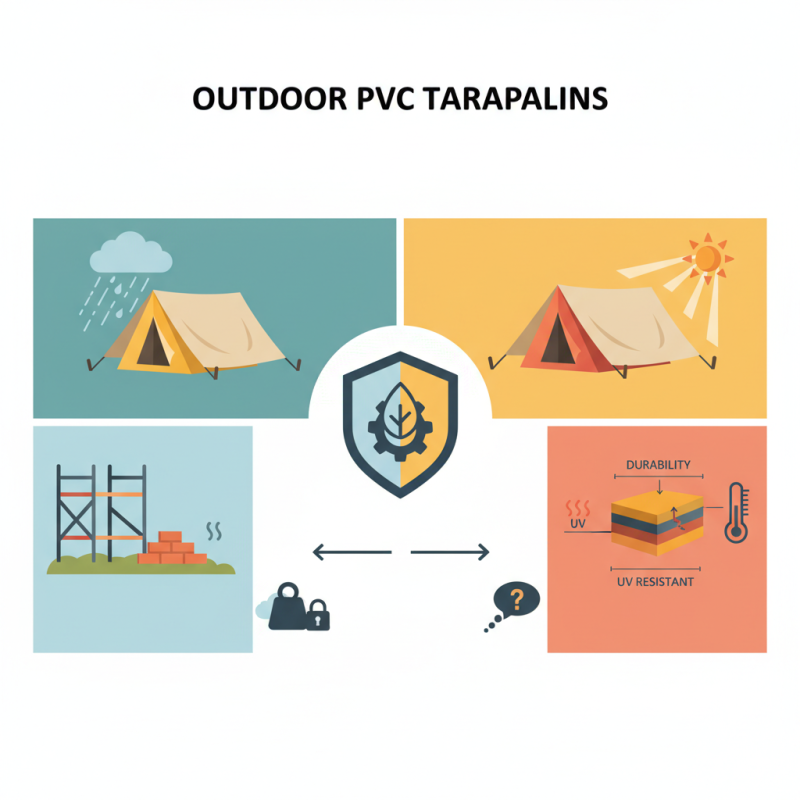
Choosing the right PVC Tarpaulin for outdoor use is crucial. Its durability makes it a popular choice for various applications. From camping to construction sites, the right tarpaulin can withstand harsh weather.
Many factors influence the selection of PVC Tarpaulin. The thickness, color, and treatment against UV rays are vital details. A thicker tarp offers better protection against tears. Color can impact heat absorption and visibility. Users must consider their specific needs.
While PVC Tarpaulins excel in many areas, they also have limitations. They can be heavy and less breathable compared to other materials. Understanding these trade-offs helps users make informed choices. Finding the perfect PVC Tarpaulin requires careful thought and consideration.
Types of PVC Tarpaulin Suitable for Outdoor Use
When choosing a PVC tarpaulin for outdoor use, consider its types and features. A common type is the heavy-duty PVC tarpaulin. This material is thick and resilient, making it ideal for harsh weather. It can withstand UV rays and heavy rain without fading or tearing. It’s perfect for outdoor covers and tents.
Another option is the fire-retardant PVC tarpaulin. This type is vital for safety in environments like event spaces or outdoor gatherings. It reduces the risk of fire hazards while still providing excellent durability. If you need something lightweight, consider a lighter-than-usual variant. It’s easy to carry but may not be as strong in extreme conditions.
Tips: Always check the weight and thickness. Higher denier ratings generally mean better durability. Make sure the edges are reinforced for extra strength. Inspect for potential weak spots before making a purchase. Small flaws can lead to bigger problems later on. The right choice can significantly affect functionality, so take your time.
Comparison of Different Types of PVC Tarpaulin for Outdoor Use
This chart compares the suitability of various types of PVC tarpaulin for outdoor use. The ratings indicate how well each type performs in outdoor conditions, with 10 being the highest suitability.
Factors to Consider When Choosing PVC Tarpaulin for Outdoor Activities
Choosing the right PVC tarpaulin for outdoor activities can be daunting. There are many factors to consider. The thickness of the material is crucial. A thicker tarp often offers better durability and weather resistance. Look for options that are at least 500gsm. However, heavier materials can be more challenging to transport.
You should also think about the waterproof rating. A tarp that is fully waterproof will keep your gear safe from rain. Some tarps are even UV-resistant, which is essential for prolonged sun exposure. Pay attention to the seams as well. Reinforced seams provide better integrity and prevent leaks. Color options matter too. Bright colors are more visible, while darker shades might heat up more in the sun.
Finally, consider size and weight. A small, lightweight tarpaulin is great for backpacking. But a larger one might be necessary for group activities. Sometimes, sacrificing size for portability is wise. Reflect on your specific needs. This ensures you choose wisely. Proper research can lead to a more satisfying experience in the great outdoors.
Comparative Analysis of PVC Tarpaulin Brands for Durability and Weather Resistance
When selecting the best PVC tarpaulin for outdoor use, a comparative analysis of durability and weather resistance is essential. Industry studies indicate that high-quality PVC tarpaulins can withstand harsh conditions. For instance, reports suggest a minimum tensile strength of 2500 N/5cm for effective durability. This strength ensures the material can resist tearing and wear during adverse weather.
Weather resistance is another crucial factor. Many PVC tarpaulins exhibit UV resistance ratings up to 80%. This rating is vital for prolonged sun exposure. Some materials, however, may degrade faster, prompting concerns for users. Additionally, significant temperature fluctuations can cause some tarpaulins to crack or lose flexibility. When choosing a product, it’s important to consider both the manufacturing process and the raw material quality. Not all tarpaulins are designed equally.
Durability tests show that some brands perform better in cold weather, while others excel in heat. Users should check for certifications from recognized standards. While many products claim high quality, genuine performance can vary. Future buyers may need to weigh their priorities. Cost-effective options may not offer the best protection. A thoughtful comparison can help identify the most suitable PVC tarpaulin for outdoor applications.
Maintenance Tips for Prolonging the Life of Outdoor PVC Tarpaulin
Maintaining your outdoor PVC tarpaulin is crucial for its longevity. Regular cleaning helps prevent mildew and stains. Use mild soap and water to wipe down surfaces. Avoid using harsh chemicals, as they can damage the material. A soft brush can help with stubborn dirt. Rinse thoroughly and let it dry completely before storage.
Storing your tarpaulin properly is equally important. Avoid folding it; instead, roll it up to prevent creases. Consider a dry, cool place for storage. High humidity can encourage mold growth. Check the fabric regularly for signs of wear. Tiny tears can become larger if neglected. Patch them as soon as you can.
Don't forget to protect against UV damage. Use tarpaulins with UV-resistant layers. If exposure is prolonged, consider adding an extra layer for protection. Remember, even the best materials need care. Regular checks can make a big difference in performance and durability. Maintaining your tarpaulin smartly can save you time and money in the long run.
Common Applications of PVC Tarpaulin in Outdoor Settings
PVC tarpaulins are versatile and durable, making them ideal for various outdoor applications. One common use is for covering boats and outdoor equipment. These tarps resist water and UV damage, ensuring protection from the elements. They come in various colors and sizes, accommodating different needs.
Another popular application is in the construction industry. Workers use PVC tarpaulins to create temporary shelters or to cover materials. They offer reliable protection against rain and dust. However, improper installation can lead to inefficiencies. It’s crucial to ensure they are securely fastened.
In events, PVC tarpaulins serve as canopies or backdrops. They can enhance the visual appeal of any gathering. Still, it’s worth considering their weight. Heavier tarpaulins can be challenging to set up alone. Reflecting on how these tarps perform in different weather conditions is vital as well. Not every option stands up perfectly, so testing in real conditions is key.