10 Best Pallet Rack Systems for Warehouse Storage
Choosing a Pallet Rack system is not simply a matter of fitting more pallets into a building. It affects picking speed, aisle access, inventory visibility, and how safely goods move through daily operations. A selective rack offers direct access to each pallet, while drive-in and push-back designs can increase storage density. Pallet flow systems support first-in, first-out handling, and cantilever racks suit long or irregular items. Each layout solves a different problem.
Details matter. Before comparing systems, warehouse teams should review pallet dimensions, product weights, forklift turning space, ceiling height, and expected inventory rotation. Load ratings and installation requirements also deserve careful attention; estimates should be checked against actual operating conditions. A layout that looks efficient on paper may create congestion when forklifts, people, and replenishment tasks share the same aisles. It depends.
This guide to the 10 best pallet rack systems for warehouse storage explains common designs, practical strengths, and trade-offs. It can help buyers narrow their options, but no single rack is best for every facility. Consider how often each product moves, whether direct pallet access is essential, and how the system could adapt as inventory changes. A little honest reassessment now may prevent a costly mismatch later. The right choice is the one that supports your workflow, fits your space, and meets your documented load needs—not merely the one with the highest storage capacity.
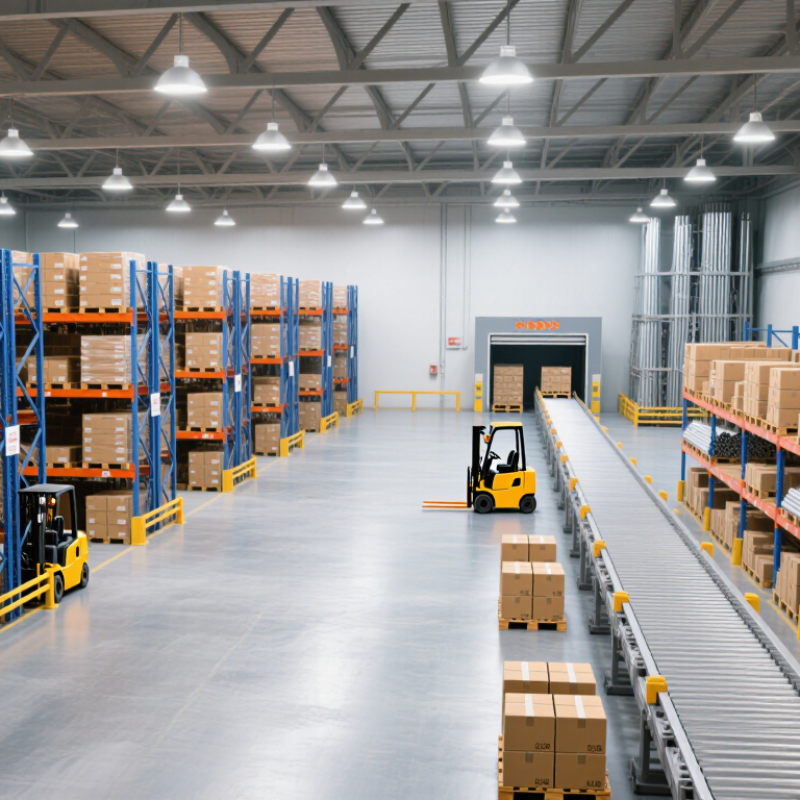
How Pallet Rack Systems Support Warehouse Storage
Pallet rack systems turn vertical space into usable storage, keeping floor areas clearer for receiving, picking, and equipment movement. Selective racks give workers direct access to each pallet, which suits warehouses with many product types. Drive-in racks hold more pallets in a smaller footprint, but require careful planning because access is limited by lane. The right layout depends on inventory turnover, pallet size, and handling equipment—not just ceiling height.
Capacity begins with accurate measurements. A warehouse team should check pallet dimensions, rack beam levels, floor conditions, and the loaded weight of each position. Keep load signs visible, and avoid placing heavier pallets above the rack’s rated capacity. A small mismatch can matter. Forklift clearance also needs attention: a narrow aisle may save space on paper but slow daily work or increase contact with uprights. That matters daily.
Good storage depends on upkeep as much as installation. Staff can report bent braces, loose anchors, or damaged uprights before using affected bays. Rack guards may reduce impacts near busy corners, though they do not replace inspections. Clear labels and consistent locations help pickers find stock without unnecessary travel. Still, layouts rarely stay perfect. Product sizes change, and a setup that worked last season may create awkward gaps now. Periodic review keeps the system aligned with actual warehouse activity.
Key Factors for Comparing Pallet Rack Systems
Comparing pallet rack systems starts with the load, not the price tag. Record each pallet’s weight, dimensions, and overhang. Then calculate the load for every beam level and upright frame. Loads are not always evenly distributed. A capacity rating should match the planned configuration, not a similar-looking rack. Check the manufacturer’s documentation and keep load signs visible. That matters.
Next, compare storage access and equipment needs. Selective racks offer direct access to each pallet, while denser layouts can reduce aisle space and limit access. Measure forklift turning clearance with the actual truck, pallet, and load. A few inches can change daily handling. Check the slab condition, anchor requirements, ceiling height, and sprinkler clearance before finalizing a layout. When conditions are uncertain, ask a qualified rack or structural professional to review them.
Also consider adjustment, inspection, and repair. Beam levels that can be repositioned may help when product sizes change, but changes must stay within rated limits. Look for clear inspection points, available replacement parts, and practical procedures for reporting impact damage. A tidy spreadsheet can still miss a blocked aisle or a bent upright. Some unused space may be the safer choice. Revisit the layout as inventory and equipment change.
Ten Pallet Rack Systems for Different Storage Needs
Warehouse storage needs differ by product, turnover, and available floor space. Selective pallet racks offer direct access to every pallet, which suits mixed inventory. Double-deep racks store pallets in pairs but require compatible reach equipment. Drive-in racks use deep lanes for dense storage of similar goods. Drive-through racks allow forklifts to enter from both ends. Push-back racks move pallets forward as loads are added, while pallet-flow racks use rollers for first-in, first-out rotation. These systems can save space. They also limit access compared with selective racks.
Cantilever racks support long, bulky items such as pipes or timber. Mobile racks move along floor rails, opening an aisle only where needed. Narrow-aisle systems make better use of building width but need suitable trucks and careful operator training. Structural pallet racks use heavy-duty components for demanding loads or environments. Each option has trade-offs. A high-density layout may slow access, and a compact aisle can complicate picking. Before choosing, check pallet dimensions, load weights, ceiling clearance, floor condition, and forklift turning space. Rated capacities matter. So does routine inspection. A bent upright may be easy to overlook during a busy shift, and I have found that small assumptions about pallet size can disrupt an otherwise sound layout.
How Rack Design Affects Capacity, Access, and Workflow
Rack design determines more than how many pallets fit between the columns. It shapes how quickly workers can reach stock and how safely forklifts move through the building. Selective racks provide direct access to each pallet, which suits warehouses with many product lines. The trade-off is wider aisles and lower storage density. Drive-in systems use deeper lanes to save floor space, but workers may need to move other pallets to reach older stock. Access has a cost.
Beam height also affects capacity. A small change in pallet height can leave unusable space above a load or reduce clearance beneath sprinklers and lights. Measure actual pallet loads, including overhang, before setting beam levels. Check rack load ratings and floor conditions with qualified professionals. A layout can look efficient on paper and still feel awkward at the aisle end. Measure twice.
Workflow matters just as much. Place fast-moving items near dispatch, and keep replenishment routes from crossing busy picking areas where possible. Push-back or pallet-flow racks can support high-volume movement, but they require consistent pallet sizes and careful loading practices. Those limits are easy to underestimate. Review the design with the people who use it; a picker may notice blocked sightlines or awkward turns that a plan misses. Reassess after seasonal stock changes, because today’s neat layout may not fit next quarter’s order mix.
Matching a Pallet Rack System to Your Warehouse
Choosing a pallet rack system starts with the work your warehouse actually does, not the floor plan alone. Measure clear height, aisle widths, door openings, and space taken by sprinklers, lights, and columns. Record pallet dimensions and loaded weights; capacity should reflect the heaviest expected load, not an average. Measure twice.
Next, map how inventory moves. Selective racks suit many SKUs and frequent access, while drive-in or push-back systems can increase density when fewer products occupy multiple pallet positions. High density is not automatically efficient. If operators spend extra time locating stock or maneuvering lift trucks, saved floor space may reduce throughput. Check whether the layout supports your required loading and retrieval sequence. FIFO needs suitable access from opposite ends; LIFO systems retrieve the most recently stored pallet first.
Test the design against a typical shift, including replenishment peaks and awkward loads. Ask operators to trace a pallet from receiving to dispatch, noting turning space, sight lines, and pedestrian routes. Have qualified professionals assess floor condition and slab capacity before installation; anchoring needs vary with site conditions. Keep room for changing inventory. A plan can look perfect on paper and still fail beside a busy dock. Revisit your assumptions after several weeks of use. Forecasts are often wrong, and that can reveal what the layout needs.