What Is the Best Molded Circuit Breaker for 2026?
A “best” Molded Circuit Breaker is not simply the one with the highest rating or most features. It is the breaker that fits the circuit, available fault current, load profile, and installation conditions. The International Energy Agency’s Electricity 2024 report projects global electricity demand to grow by an average of 3.4% annually through 2026. That growth makes dependable protection increasingly important in buildings, factories, and data centers. The figure is useful context, not proof that any particular breaker is best.
Selection starts with details that can be checked: rated current, voltage, interrupting capacity, trip characteristics, and coordination with upstream and downstream devices. Mike Holt, an electrical educator whose published guidance focuses on electrical installation and safety, emphasizes matching protective equipment to the circuit and its conditions—not choosing by nameplate size alone. That principle matters when a panel must handle motor starts, changing loads, or a high available fault current. Small mismatch. Big consequence.
This guide compares leading options for 2026 by application, performance, and practical selection criteria. It also distinguishes manufacturer claims from independently verifiable specifications. No single model wins every installation. Verify the system data, consult the applicable product documentation, and involve a qualified electrical professional before specifying equipment. That step can feel slow. It is still worth doing.
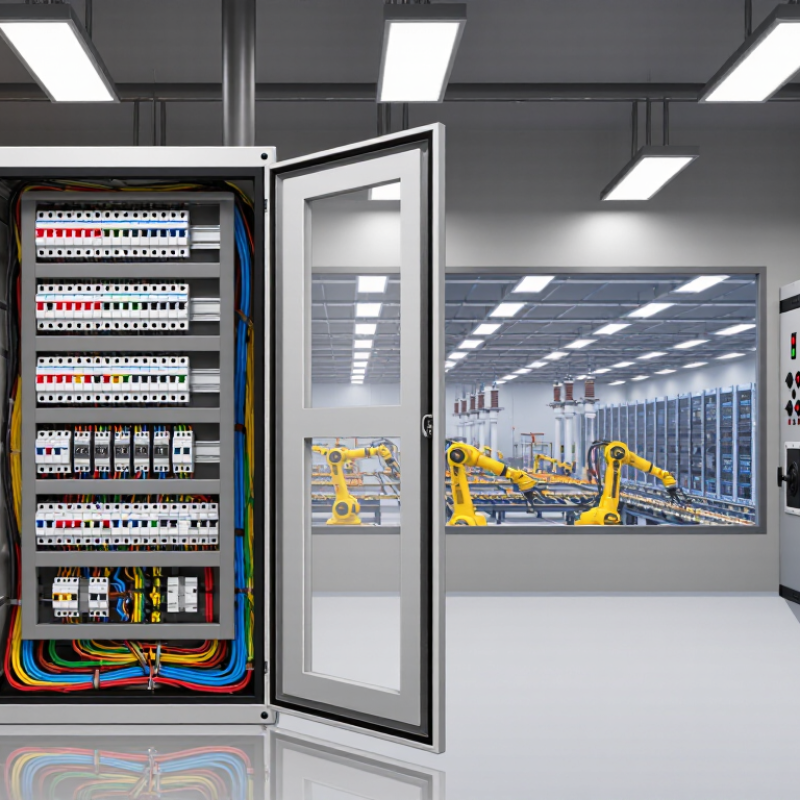
What a Molded Case Circuit Breaker Is and How It Works
A molded case circuit breaker, or MCCB, protects electrical circuits from excessive current. Its insulated case houses the contacts, operating mechanism, and trip unit. During normal operation, current passes through closed contacts to the connected equipment. If current becomes dangerous, the breaker opens the circuit.
Two common trip responses address different faults. A thermal element bends as heat builds during a sustained overload, eventually releasing the mechanism. A magnetic element responds rapidly to a large fault current, such as a short circuit. Some breakers use electronic trip units, which can provide adjustable settings and clearer coordination with other protective devices. The contacts separate, and an internal arc-control system helps manage the resulting electrical arc. Then the circuit is interrupted. The handle may need resetting after the fault is identified.
The best MCCB for 2026 is not one model for every installation. Selection depends on system voltage, expected fault current, load characteristics, enclosure conditions, and required trip settings. Check the breaker’s interrupting rating against the available fault current; a mismatch can leave equipment inadequately protected. Coordination matters, too. A breaker that trips too soon may interrupt ordinary operation, while settings that are too high can delay protection. Real installations are rarely as tidy as a catalog example, so confirm calculations and installation details with a qualified electrical professional.
Key Ratings and Features to Compare in 2026
For 2026, compare molded-case circuit breakers by their actual duty, not by amperage alone. Match the rated voltage and continuous current to the system, then verify interrupting capacity against the available fault current at the installation point. Check the fault level. A high interrupting rating at one voltage may not apply at another. IEC 60947-2 and UL 489 provide relevant performance and testing frameworks; confirm which standard and certification apply to your market and equipment.
Trip settings matter just as much. Thermal-magnetic models offer straightforward protection, while electronic trip units can provide more precise adjustment and, on some models, ground-fault protection. Check coordination with upstream and downstream devices, conductor limits, ambient-temperature derating, enclosure conditions, and the number of poles. NFPA’s report on electrical fires estimates that U.S. fire departments responded to about 24,000 home electrical fires annually from 2015 to 2019. That figure covers many causes, not just breaker failures, but it underscores why proper protection and installation deserve attention.
Small details matter. In practice, even a well-rated breaker can be a poor choice if settings, connections, or maintenance requirements are overlooked.
How Breaker Types Suit Different Electrical Applications
A molded-case circuit breaker is not “best” in isolation. Its type should match the load, fault conditions, and working environment. A thermal-magnetic breaker is common in buildings and workshops, where it responds to overloads and short circuits. For a pump motor, however, startup current can cause nuisance trips if the breaker is poorly matched. Check the motor’s nameplate and coordination requirements.
Electronic-trip breakers offer adjustable protection and can suit larger panels with changing loads or tighter coordination needs. They may help operators identify overload conditions more precisely, but added settings also create room for mistakes. Keep settings within equipment limits and have a qualified professional verify them. Small details matter.
In damp, dusty, or hot locations, enclosure rating and ambient-temperature derating deserve attention alongside breaker type. A breaker that fits the panel may still perform poorly if heat builds up around it. For a home branch circuit, compact thermal-magnetic protection may be practical; for an industrial feeder, adjustable protection and higher interrupting capacity may be more appropriate. There is no universal winner. Real installations are messier than catalogs suggest, so compare the actual load, available fault current, and manufacturer specifications before selection.
How to Evaluate Safety, Standards, and Total Cost
What Is the Best Molded Circuit Breaker for 2026?
How to Evaluate Safety, Standards, and Total Cost
The best molded case circuit breaker is the one that fits the installation, not simply the one with the highest rating. Start with system voltage, continuous load, available fault current, and the enclosure’s operating conditions. A panel in a warm, dusty workshop may need different consideration from a clean indoor cabinet. Small details matter.
Check that the breaker’s rated interrupting capacity meets or exceeds the fault current at its installation point. Verify applicable product standards and local requirements, since accepted certifications can vary by market and application. Confirm coordination with upstream and downstream protective devices, too. A rating alone is not a safety plan. Review the manufacturer’s time-current curves and installation instructions, then have a qualified electrical professional validate the selection.
Compare total cost over the expected service life, not just purchase price. Include accessories, compatible conductors, installation labor, inspection, and potential downtime. A less expensive unit may require extra adaptation or take longer to replace. Ask about spare-part availability and maintenance requirements. Still, cost estimates are imperfect: operating conditions and future load changes are easy to underestimate. Leave room for a careful review before purchase.
What Is the Best Molded Case Circuit Breaker for 2026?
Start by matching the breaker’s certified performance to the application—not by treating all trip-curve data as interchangeable.
How to read this chart: The ranges show the instantaneous tripping bands for Type B, C, and D miniature circuit breakers under IEC 60898-1, expressed as multiples of rated current (In). These are not MCCB trip settings. For a molded case circuit breaker, check the exact trip curve and verify its interrupting capacity at the system voltage, applicable standard certification, coordination requirements, and lifecycle costs.
How to Choose the Right Molded Case Circuit Breaker for Your Needs
Choosing the right molded case circuit breaker starts with the load, not the product label. Match its rated current and voltage to the circuit, then check the available fault current at the installation point. The breaker’s interrupting rating must meet or exceed that value. A high current rating alone does not guarantee safe protection. Consider the load’s starting surges, required trip characteristics, number of poles, and coordination with upstream and downstream devices.
Demand patterns are changing. The International Energy Agency’s Electricity 2024 report projected global electricity demand growth averaging about 3.4% annually from 2024 to 2026. That broad trend does not determine a breaker size, but it reinforces the need to assess future loads, such as added equipment or charging infrastructure. Check the enclosure rating and operating-temperature limits too, especially in a warm electrical room. A tidy calculation can still miss a real installation detail.
Tips: Ask a qualified electrical professional to verify fault-current calculations and coordination against the system design. Compare the breaker’s published test data and applicable IEC 60947-2 or UL 489 certification. Keep a little context: actual conditions matter. Don’t select solely by price or amperage.