×

What Is the Best Heat Transfer Film Printer in 2026?

Choosing the best Heat Transfer Film Printer in 2026 is not about chasing the fastest machine on a showroom floor. It is about matching print quality, film handling, curing, and daily output to the work you actually sell. A Grand View Research report estimated the global digital printing market at USD 34.3 billion in 2023 and projected continued growth through 2030. That figure covers digital printing broadly, not heat-transfer printers alone. It signals a growing technology landscape, but it cannot identify the best printer for your shop.

A useful technical perspective comes from Marco Boer, vice president of industry analyst firm IT Strategies, whose work examines printing technology and production economics. I cannot verify a published verbatim quotation from Boer about heat-transfer film printers, so I will not invent one. His field’s central buying lesson still applies: evaluate equipment against real workflow demands, not a headline speed. That means checking how reliably a machine prints fine text, feeds film, and maintains color across repeat jobs.

Small details matter. Watch a test print pass through the printer; inspect thin lines, gradients, and the film’s edges. Ask about maintenance time, ink costs, and support response. Then run a sample using artwork and materials like your own. A polished demo is not enough. This guide compares printer types and practical selection criteria, while noting where available market data is broader than the category itself. The answer may be less tidy than a ranked list—and that is worth acknowledging.
What Is the Best Heat Transfer Film Printer in 2026?

What Is a Heat Transfer Film Printer?

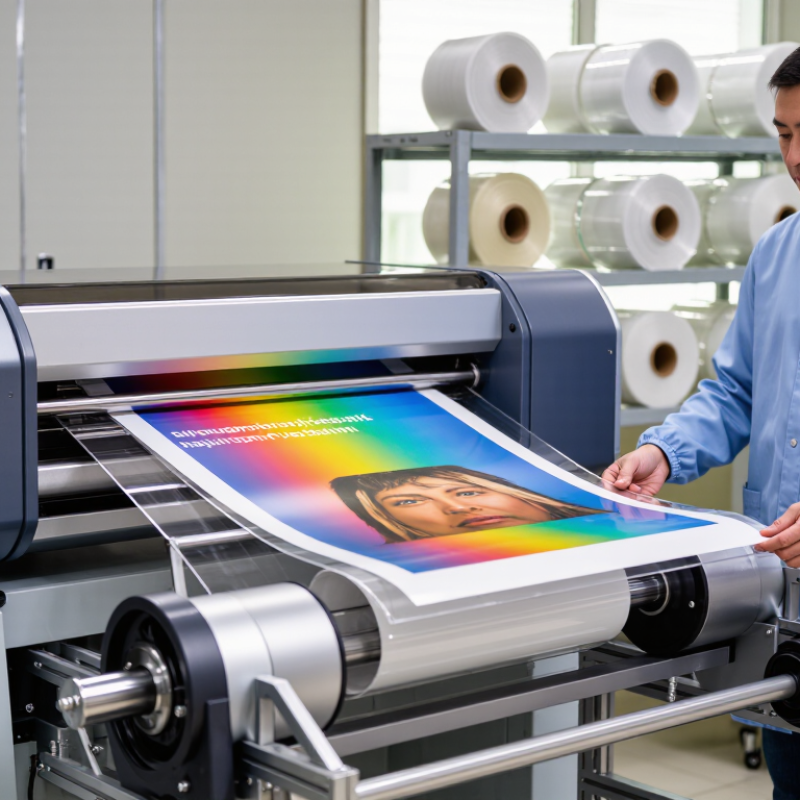
A heat transfer film printer places a design on clear transfer film, not directly on a shirt. Many systems print color inks plus a white layer onto PET film. The wet image receives fine adhesive powder, then controlled heat cures it. The prepared film is pressed onto fabric, transferring the design. Peeling may happen hot or cold, depending on the film. Not a paper printer. The film, ink, powder, and heat settings must work together.

The equipment is often called a DTF printer, but printing is only one stage. A working setup also needs film handling, powder application, curing, and a heat press. A thin gap in white ink can let dark fabric show through. Nozzle checks and small temperature tests can catch problems before a batch is ruined. Results also vary with fabric texture and press pressure. I would not judge a machine by speed alone; maintenance and repeatable color matter. Even good settings may need adjustment.

How Does Heat Transfer Film Printing Work?

What Is the Best Heat Transfer Film Printer in 2026?

Heat transfer film printing turns a digital design into a layer bonded to fabric. A printer places colored ink and usually a white underbase onto coated PET film. The white layer helps colors stay visible on dark shirts. The wet print is then covered with hot-melt adhesive powder, which sticks to the ink.

Next, heat cures the powder into an even adhesive layer. The transfer is positioned on fabric and pressed with controlled heat, time, and pressure. After pressing, the film is peeled according to its specifications; some films require cooling first. That is the transfer.

Results depend on clean artwork, consistent powder coverage, and a stable press. A 2024 Grand View Research report valued the broader digital textile printing market at USD 2.7 billion in 2023, projecting 12.1% annual growth through 2030. This category includes more than film transfers, so it is context, not a DTF-only forecast.

Tips: Test a small fabric sample before production. Check wash durability after the transfer cools, and record press settings. Humidity can affect powder handling. I have seen careful printing undone by a rushed press cycle; the exact settings still need testing for each film and fabric.

Which Features Matter Most in a Printer?

A heat transfer film printer should match the jobs you actually run: garment size, daily order volume, and artwork detail. Grand View Research’s digital textile printing market report valued the broader market at USD 2.7 billion in 2023 and projected 12.1% annual growth from 2024 to 2030. That figure covers digital textile printing overall, not film-printer sales specifically. Still, it signals why dependable production features matter. A wide print area helps with larger designs, while stable film feeding reduces skew and wasted sheets. Small details count.

Check real throughput, not just the advertised speed. Ask how output changes with white ink, detailed graphics, and curing time. Reliable white-ink circulation and accessible maintenance points can reduce clogs and downtime. Nozzle checks matter. Confirm that the printer works with your RIP software and can reproduce fine text and smooth gradients on the film you use. I would test a typical job before buying, including a full production run; a perfect sample print can hide feeding or color-consistency problems. Also check replacement-part availability and service response times. These details are less exciting than resolution claims, but a printer that sits idle is costly. One trade-off remains: the cheapest option may be adequate for occasional work, yet frustrating when orders arrive in bursts.

What Is the Best Heat Transfer Film Printer in 2026?

Which features matter most when choosing a printer?

Print quality, media compatibility, and dependable ink curing are key considerations for consistent transfers. Scores are an editorial buying-guide assessment, not laboratory measurements or a survey.

What Types of Heat Transfer Film Printers Are Available?

Heat-transfer film printers generally fall into three groups, though their names can blur. Direct-to-film (DTF) printers put color and white ink onto PET film. Adhesive powder is applied, cured, then pressed onto fabric. They suit short runs, detailed artwork, and many cotton blends. That workflow has several steps. Grand View Research valued the global digital textile printing market at $2.7 billion in 2023. Its report projected 12.1% annual growth from 2024 to 2030. This signals market demand, not guaranteed printer performance.

Print-and-cut systems use compatible eco-solvent or latex inkjet printers to print designs on printable heat-transfer vinyl, then contour-cut them. They work well for names, numbers, and layered graphics, but weeding adds labor. Cutting plotters also handle colored film without printing, making simple logos economical. UV DTF printers print onto transfer films mainly for hard surfaces. They are not a substitute for garment DTF. Fit matters. Match the system to fabric, daily volume, and available curing space—not advertised speed alone. Test a small transfer for stretch, edge lift, and wash durability before committing; skipping that check is an easy mistake.

What Is the Best Heat Transfer Film Printer in 2026? — What Types of Heat Transfer Film Printers Are Available?
Printer Type Transfer Material and Process Suitable Substrates Main Advantages Important Limitations Best Fit
Desktop DTF Printer Prints with textile pigment inks onto PET film. Hot-melt adhesive powder is applied to the printed film, cured, then transferred with a heat press. Commonly used on cotton, polyester, blends, and many dark or light fabrics. Supports full-color artwork and does not require cutting around each design. White ink allows printing on dark garments. Requires film, adhesive powder, curing, and a heat press. White-ink systems need regular circulation and maintenance. Small shops, samples, short runs, and businesses with limited production space.
Roll-to-Roll DTF Printer Prints continuously on roll-format PET film; printed transfers are powdered and cured before heat pressing. Similar fabric range to other DTF systems, depending on the ink, film, adhesive, and application settings. Handles longer print runs and can reduce manual film loading compared with sheet-based workflows. Needs more floor space and coordinated printing, powdering, curing, and finishing equipment. Production results depend on the complete workflow. Regular garment production and businesses printing multiple designs or longer runs.
Integrated DTF System Combines film printing with automated or connected powder application and curing equipment; transfers are still applied with a heat press. Garments and other compatible textiles, subject to the materials and transfer settings used. Can reduce handling between printing and curing and make a repeatable production workflow easier to manage. Higher equipment and space requirements than a basic printer. Integration does not remove the need for process checks or routine maintenance. Businesses seeking a more streamlined DTF production line.
Printable Heat-Transfer Vinyl Printer Prints designs onto printable heat-transfer vinyl, which is typically contour-cut, weeded when required, and applied with a heat press. Garments compatible with the selected printable vinyl; some materials require specific vinyl or application settings. Useful for shaped graphics, names, and designs where a cut vinyl edge is appropriate. Cutting and weeding can add labor. Printable vinyl is a different transfer process from DTF and may have a visible film-like feel. Custom apparel, names, numbers, and lower-volume jobs where cut graphics are suitable.
Sublimation Transfer Printer Prints with sublimation ink onto transfer paper, then uses heat to transfer dye into a compatible surface. It is not a film-printing method. Best suited to white or light-colored polyester textiles and specially coated hard goods. On suitable materials, the dye becomes part of the surface rather than forming a separate adhesive film layer. Not suitable for most cotton garments or dark fabrics without a separate compatible transfer material. Polyester apparel and coated products where the substrate matches the sublimation process.
UV DTF Printer Prints UV-cured graphics onto a transfer-film system, commonly used to apply decals to hard surfaces. It is generally a pressure-applied transfer, not a textile heat-press process. Selected smooth, hard surfaces, depending on the transfer system and surface preparation. Can create detailed, layered decals without cutting each design from colored vinyl. Not the standard choice for heat-transfer garment printing. Surface compatibility and durability vary by transfer materials and application. Hard-surface decals and product decoration rather than apparel heat transfers.

Selection note: For heat-pressing full-color designs onto a broad range of fabrics, DTF is often the most versatile option. The best configuration depends on print volume, available space, maintenance capacity, and the complete workflow—not the printer alone. Confirm fabric compatibility and follow the transfer-material manufacturer’s curing and pressing instructions.

How to Choose the Best Heat Transfer Film Printer in 2026

How to Choose the Best Heat Transfer Film Printer in 2026

Choosing a heat transfer film printer starts with the jobs you actually run. Measure daily print volume, typical design size, and the smallest text or line you need to reproduce. Check resolution alongside usable speed; advertised speed may not include curing, trimming, or setup. Grand View Research estimated the digital textile printing market at USD 2.7 billion in 2022, with projected annual growth of 12.1% through 2030. That wider market trend signals demand, but it does not guarantee a printer will suit your workflow. Test a sample using your own artwork and film.

Then compare white-ink circulation, printhead maintenance, curing consistency, and available service support. Ask for a timed test, not just a specification sheet. FESPA’s 2023 Print Census discusses productivity and automation as important print-business priorities; for a small shop, even a few minutes saved per order can matter. Look closely at powder handling and curing, too. Uneven coverage can leave a transfer weak at the edges. Check the full operating cost, including ink, film, powder, maintenance, and rejected prints. A low purchase price can be misleading. I would also ask how performance changes during long runs. That detail is easy to overlook. A showroom sample is not a production day.