
Best Dirt Tires Supplier in China for Global Buyers?
Choosing the best Dirt Tires supplier in China is not just a price comparison. Global buyers also need dependable specifications, stable production, and clear communication from sample approval through shipment. A tire that looks right in a catalog may behave differently on loose gravel, wet clay, or hard-packed tracks. That difference matters. Tread pattern, rubber compound, carcass construction, size range, and load rating should match the intended vehicle and terrain. For dealers, fleets, and equipment brands, small specification gaps can lead to costly returns or downtime.
This guide examines practical signals buyers can verify before ordering: factory capability, quality-control records, customization options, packaging, lead times, and after-sales support. It also considers whether a supplier provides consistent product data and answers technical questions without vague promises. A serious assessment should include samples, written specifications, and agreed inspection points—not only polished photos. No checklist removes every risk. But details can expose gaps early. Price still matters, of course. It should be weighed against consistency, communication, and the cost of delays across international supply chains. There is no single “best” source for every buyer; terrain, budget, order volume, and service expectations change the answer. Comparisons may remain imperfect when suppliers share limited test data. That is worth stating plainly. The aim is a grounded shortlist, not a promise of flawless performance.
Understanding Dirt Tires and Global Buyer Requirements
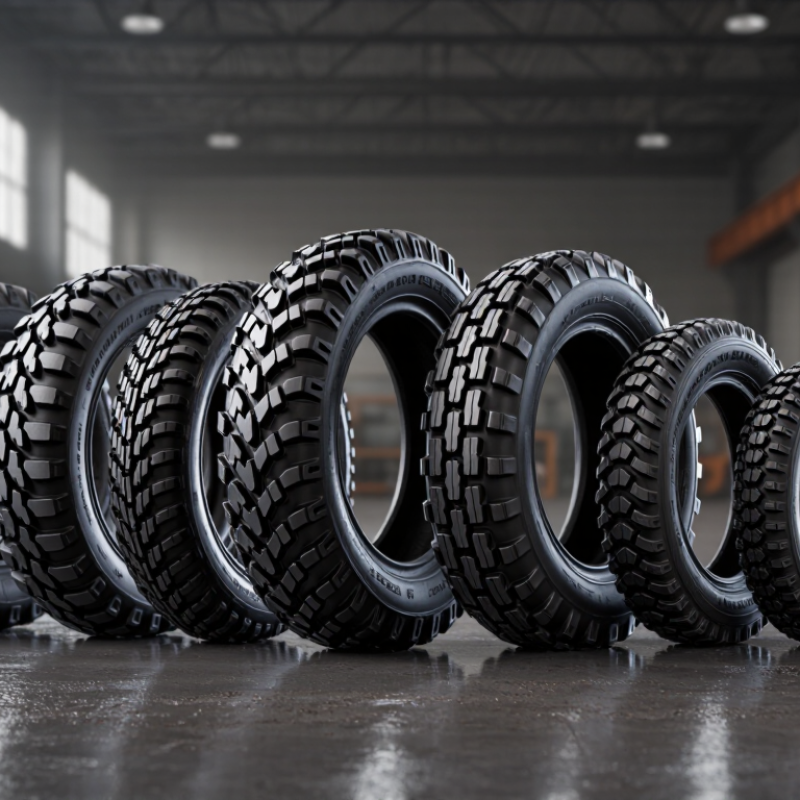
Dirt tires are designed for loose, uneven ground, where tread shape and spacing affect grip and mud release. Buyers should match tire size, load rating, and construction to the machine and its working conditions. A deep, open tread may help on soft soil, while firmer ground can call for a less aggressive pattern. There is no single tread that performs equally well everywhere.
Global buyers also need clear, comparable specifications. Confirm dimensions, approved load limits, inflation guidance, packaging details, and expected production consistency before placing a large order. Ask how the supplier checks finished tires and handles changes between samples and bulk production. A specification sheet is useful, but it may not reveal how a tire behaves on a particular surface. Testing a sample under realistic conditions can expose fit or traction issues early. I would not treat one successful test as proof for every climate or machine.
Tips: Share the machine model, typical terrain, load, and operating speed when requesting a quotation. Request written specifications and inspect sample dimensions before shipment. Small details matter. Even experienced buyers can overlook them.
| Buyer Requirement | What to Check | Useful Reference or Example | Information to Request from a Supplier |
|---|---|---|---|
| Intended riding conditions | Match tread pattern and compound to terrain, such as soft soil, mud, sand, hard-packed ground, or mixed surfaces. | Open, widely spaced knobs are commonly selected for loose or muddy terrain; closer, lower-profile knobs are often considered for firmer ground. Actual performance depends on the tire design and conditions. | Terrain-use descriptions, product specifications, and test or field-evaluation information for the intended application. |
| Motorcycle fitment | Confirm the size, rim diameter, front or rear position, and the motorcycle manufacturer’s fitment guidance. | Examples of off-road motorcycle size designations include 80/100-21 and 110/100-18. These are examples, not universal fitments. | Available sizes, dimensional drawings or specifications, and fitment guidance for the target motorcycles. |
| Reading tire size | Check the complete size marking rather than relying on an approximate outside diameter. | In a 110/100-18 marking, 110 is nominal section width in millimetres, 100 is the aspect ratio, and 18 is the nominal rim diameter in inches. | Clear photographs of sidewall markings and confirmation that the quoted size matches the required rim. |
| Tube-type or tubeless construction | Verify that the tire and wheel setup are compatible and that the product is intended for the requested use. | Many off-road motorcycle setups use an inner tube; compatibility depends on the tire, rim, and vehicle instructions. | Construction type, tube-use instructions, and any restrictions stated in the product documentation. |
| Load and speed suitability | Check the tire’s marked load and speed information against the vehicle requirements and intended operation. | Ratings vary by tire size and model. Do not assume that tires with the same size have identical ratings. | Sidewall rating details and the applicable product specification for each requested size. |
| Pressure and operating guidance | Use the motorcycle and tire manufacturers’ guidance; pressure needs can vary with load, terrain, and setup. | There is no single appropriate pressure for every dirt tire or riding condition. | Published inflation guidance, usage limitations, and any instructions for tube or rim-lock setups. |
| Destination-market rules | Identify the applicable requirements for the country, vehicle category, and intended road or off-road use. | Approval and marking requirements differ by market. A tire intended for off-road use should not be assumed to be road-approved. | Applicable test reports, declarations, and marking details for the destination market, where required. |
| Product consistency and quality control | Review how the supplier controls dimensions, appearance, materials, and production batches. | Useful checks may include visual inspection, dimensional inspection, and batch identification; the exact inspection plan should be documented. | Quality-control process, inspection records or sample reports, traceability method, and defect-handling procedure. |
| Sampling and product evaluation | Evaluate representative samples before confirming a larger order. | Check fitment, markings, workmanship, and suitability in the intended conditions. Sample results do not replace any required formal testing. | Sample availability, sample specifications, evaluation support, and the process for approving a production sample. |
| Export packaging and shipping | Confirm packaging protects tires during storage and transport and supports the buyer’s handling requirements. | Packaging, carton quantity, shipping marks, and transport method should be agreed for each order. | Packing details, carton dimensions and weight, shipping marks, shipment documents, and quoted delivery terms. |
| Commercial planning | Compare price alongside specifications, order terms, delivery schedule, and after-sales support. | Minimum order quantity, production lead time, and payment terms vary by supplier, product, and order size; they should be confirmed in a written quotation. | Itemized quotation by size and specification, MOQ, lead time, payment terms, warranty terms, and contact for quality claims. |