×

Best Aluminum Composite Panel Factory in China?

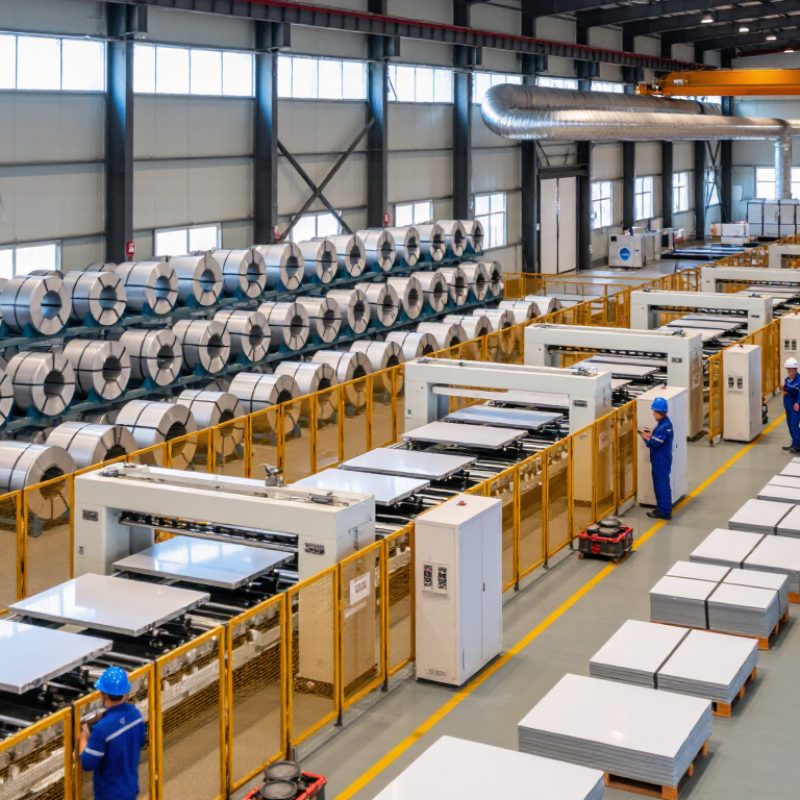
Choosing the best Aluminum Composite Panel Factory in China requires more than comparing prices or polished factory photographs. A reliable decision begins with production evidence. Look for consistent core density, accurate panel thickness, stable coating color, and clean edge finishing. Ask how the factory controls raw aluminum, polyethylene or mineral cores, protective film, and fire-performance testing. Small details matter. A rough edge can complicate installation. Uneven coating can weaken a carefully designed façade.

Façade engineering consultant Dr. Michael Fischer states, “A dependable panel begins with controlled materials, not attractive samples.” This principle deserves attention. A serious Aluminum Composite Panel Factory should provide traceable inspection records, clear technical data, and samples from current production batches. Factory experience also matters. Walk through the line, if possible. Observe coil storage, lamination temperature, cutting accuracy, and packing protection. Experienced suppliers usually explain limitations instead of promising everything.

The best supplier may not offer the lowest quotation. It should understand wind loads, climate exposure, fire requirements, and project tolerances. Certifications help, but they are not the entire answer. Verify their scope and issuing laboratories. Ask for references from completed buildings, not only brochures. An honest factory should discuss color variation, minimum order quantities, lead times, and possible defects.

No factory is perfect. That is worth remembering. A thoughtful buyer should compare evidence, ask uncomfortable questions, and document every requirement. The final choice should combine manufacturing capability, responsive communication, dependable quality, and realistic after-sales support. That balance creates confidence before the first panel reaches the construction site.

Best Aluminum Composite Panel Factory in China?

Understanding Aluminum Composite Panels: 3–6 mm Thickness and 0.5 mm Skin Options

Aluminum Composite Panels: Understanding 3–6 mm Thickness and 0.5 mm Skin Options

Choosing the best aluminum composite panel factory in China starts with understanding what thickness controls. Panel thickness commonly ranges from 3 to 6 mm, while the aluminum skin may measure 0.5 mm. A thicker panel is not automatically stronger. It can improve rigidity, but the core, alloy, coating, and bonding process matter just as much. For exterior façades, installers often compare bending resistance, flatness, screw holding, and cutting performance before approving production. These details are visible on site.

A 0.5 mm aluminum skin usually offers better impact resistance and edge stability than thinner skins. However, buyers should confirm whether the measurement applies to one skin or both skins. Specifications can sound clear but remain incomplete. A dependable factory should provide production samples, coating information, dimensional tolerances, and recent test records. It should also explain how panels are inspected during core bonding and continuous lamination. Batch traceability is important when panels arrive in different containers or production lots.

For a 3 mm panel, weight and easy fabrication may suit signs, interior walls, and decorative features. A 4–6 mm panel can provide more stiffness for larger façade areas, especially where wind pressure affects panel movement. Still, design conditions must be checked by qualified professionals. I would not select a factory from a sample alone. A glossy surface can hide weak bonding, uneven thickness, or poor protective film application. Requesting a small trial order may reveal more than a polished sales presentation.

Comparing Chinese ACP Factories by EN 13501-1, ASTM E84, and ISO 9001 Data

Choosing the best aluminum composite panel factory in China requires more than comparing prices or polished websites. EN 13501-1 classifies reaction to fire under European conditions, while ASTM E84 reports flame spread and smoke-developed indices in a tunnel test. These systems are not interchangeable. A factory showing only one rating leaves a serious information gap.

Ask for complete laboratory reports, not cropped certificates. Check the panel thickness, aluminum skin, coating, core composition, mounting method, and production batch. EN 13501-1 results should identify the tested construction and classification, such as A2-s1,d0 or B-s1,d0. ASTM E84 documents should show flame spread and smoke indices. The National Fire Protection Association notes that test results depend strongly on installation and material configuration. Small details matter.

ISO’s Survey 2023 recorded more than one million ISO 9001 certificates worldwide, showing the standard’s broad use, but certification alone does not prove fire performance. It evaluates quality management, not a panel’s reaction to fire. A credible factory should connect ISO 9001 procedures with batch traceability, incoming-core inspection, coating checks, and retained samples. Ask for recent surveillance records. Then compare failed tests too, if available. That request may feel uncomfortable. It is useful. No factory should be selected from certificates alone. Real confidence comes from matching current production samples with independently witnessed EN 13501-1 and ASTM E84 testing.

Evaluating PE, FR, and A2 Cores Through Professional Fire-Rating Standards

Best Aluminum Composite Panel Factory in China?

Evaluating PE, FR, and A2 Cores Through Professional Fire-Rating Standards

Choosing an aluminum composite panel factory requires more than comparing surface finishes and quotations. Fire performance begins with the core material. PE cores contain combustible polymer, so they may ignite and spread flame quickly under severe conditions. FR cores include flame-retardant additives, but “FR” is not a universal rating. Performance depends on formulation, thickness, joints, and installation.

A2 cores are designed for limited combustibility and are commonly evaluated under EN 13501-1. PE and FR products may also be tested against standards such as ASTM E84 or EN 13823, depending on the project market. These tests measure different behaviors. A low flame-spread result does not automatically prove non-combustibility. That distinction is often overlooked.

Tips: Request the complete test report, not only a certificate image. Check the tested panel thickness, coating, core density, and production location. Ask whether the report covers the exact model supplied. In factory inspections, I also compare batch labels with laboratory documents and examine core consistency at cut edges. Small gaps matter. A certificate can still mislead when the tested assembly differs from the installed one.

Some specifications remain difficult to interpret, especially when suppliers use broad terms like “fireproof.” A responsible factory should explain limitations clearly, provide traceable documentation, and accept independent verification. That honesty is useful, even when it complicates the sale.

Auditing Factory Capacity, Production Tolerance, and 1220 × 2440 mm Formats

Best Aluminum Composite Panel Factory in China?

Choosing the best aluminum composite panel factory requires more than reviewing polished samples. I inspect actual production capacity, not only advertised output. The audit begins with coil storage, core bonding equipment, cutting lines, and finished-panel space. A factory may claim high volume, yet lack stable material flow during busy months. That gap matters.

For 1220 × 2440 mm panels, I check the cutting process closely. Operators should measure length, width, squareness, thickness, and flatness during production. Digital calipers, calibrated rulers, and inspection records provide useful evidence. I also compare several panels from different batches. One accurate sample proves little. Production tolerance must remain consistent after repeated cutting, bonding, and cooling.

I look for traceable batch numbers and documented corrective actions. Small edge waves or uneven corners can create installation problems. Factory teams should explain how they isolate defective panels, rather than hide them. I once gave too much weight to a clean showroom; that was a poor judgment. A factory visit should include random checks from the warehouse and a live production run. Ask difficult questions. Observe the answers. Capacity, tolerance, and format capability are connected, but not always equally strong. An honest audit may reveal limitations, and that is useful.

Best Aluminum Composite Panel Factory in China? — Factory Audit Reference

The chart compares nominal panel formats by usable panel area. The 1220 × 2440 mm format provides 2.9768 m² per panel, making it a practical reference size when reviewing production capacity, cutting accuracy, packaging efficiency, and order fulfillment.

Areas are calculated from nominal width × length: 1220 × 2440 mm = 2.9768 m², 1250 × 2500 mm = 3.1250 m², and 1500 × 3000 mm = 4.5000 m². Factory audits should separately verify actual dimensions, thickness tolerance, flatness, coating consistency, production throughput, and the ability to maintain these specifications across full production lots.

Selecting the Best China ACP Factory Using Samples, Testing, Warranty, and Cost Metrics

Best Aluminum Composite Panel Factory in China?

Selecting the right China ACP factory should begin with physical samples, not polished photos. Request panels from current production, including different finishes and core options. Check the surface under angled light for pinholes, color variation, waviness, and edge damage. A sample can look excellent while hiding inconsistent bonding. That is an uncomfortable possibility.

Ask the factory for measurable test evidence. Useful checks include peel strength, coating thickness, impact resistance, dimensional tolerance, and fire performance. Confirm the test method, laboratory date, and sample batch.

For outdoor projects, inspect gloss retention and color stability after accelerated weathering. A factory engineer should explain failures clearly, rather than sending unexplained certificates.

Request a small trial order before approving large-volume production.

Warranty terms deserve the same attention as price. The document should define coverage, exclusions, inspection procedures, and response time.

Compare the landed cost, not only the panel price. Include packaging, testing, freight, taxes, installation waste, and possible replacement panels. A cheaper quote may become expensive after rework.

In my experience, detailed production records and responsive communication often indicate stronger reliability than impressive facilities alone. Still, even a careful evaluation has limits; batch changes, transport damage, or unclear project conditions can affect results. Build those risks into the decision.