Top 10 Benefits of Using an Offline Inverter for Your Power Needs
In today's world, the reliance on continuous power supply has become crucial. With various devices and appliances needing power, an Offline Inverter stands out as a reliable solution. Unlike conventional inverters, which depend on grid availability, Offline Inverters provide backup when power is lost. They seamlessly switch to battery power, ensuring that essential devices remain operational.
Choosing the right power solution can be daunting. Many overlook the Offline Inverter, dismissing it as just another gadget. However, its benefits go beyond mere convenience. These inverters can enhance energy efficiency and reduce electricity costs. They also offer peace of mind during outages, especially for those in remote locations.
Despite these advantages, it's essential to recognize potential drawbacks too. Offline Inverters may not support all appliances or heavy loads at once. Understanding the limitations is crucial for effective use. Exploring the benefits of Offline Inverters will help clarify their role in modern energy needs. With informed choices, users can optimize their power usage and ensure a stable energy supply.
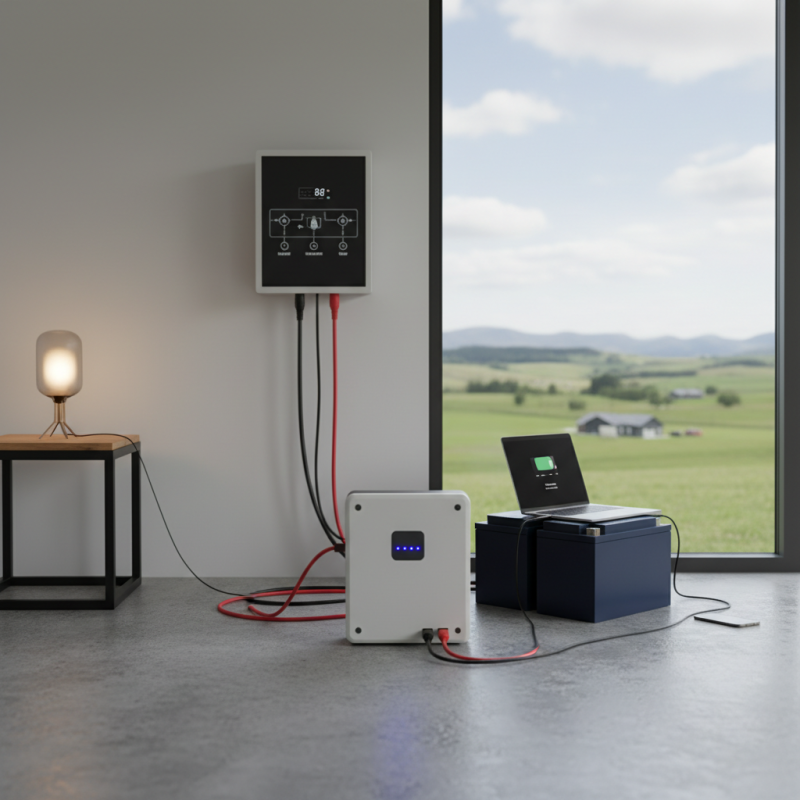
Advantages of Offline Inverters in Energy Management Systems
Offline inverters play a vital role in energy management systems. They efficiently convert DC power into usable AC power, making them ideal for homes and businesses. According to the International Energy Agency (IEA), energy efficiency measures can provide over 45% of the required emissions reductions by 2040. Offline inverters contribute significantly to this goal by optimizing energy use.
One notable advantage of offline inverters is their reliability during power outages. Research shows that around 53% of businesses face losses due to downtime. An offline inverter can help mitigate these risks, providing uninterrupted power supply. They are also crucial in areas with inconsistent grid access, ensuring a steady energy flow.
Tip: Regular maintenance of your offline inverter is essential. Monitor its performance every few months to catch any issues early.
These systems offer simplicity and ease of installation. Most users can set them up without professional help. Yet, it's crucial to remember that improper installation can lead to inefficiencies. A 2022 report indicated that 30% of faulty inverters resulted from installation errors.
Tip: Always consult the user manual before installation to avoid common pitfalls.
Analysis of Energy Storage Capacity and Efficiency of Offline Inverters
Offline inverters are becoming essential for reliable power solutions. Their energy storage capacity and efficiency make them an attractive choice. These inverters convert direct current (DC) into alternating current (AC), ensuring your devices run smoothly. They store energy in batteries for later use, especially during power outages.
When considering an offline inverter, evaluate the energy storage capacity. Larger batteries can hold more energy, but they also require more maintenance. Think about your power needs. If you have essential devices, invest in a larger inverter. For less critical applications, a smaller unit might suffice.
**Tips:** Always check the inverter's efficiency rating. A highly efficient inverter saves on electricity costs. Also, think about battery lifespan. Regular maintenance can enhance performance and prevent issues. Make sure your inverter is compatible with your devices. This ensures you maximize energy usage while maintaining safety. Pay attention to the inverter's load capacity. Overloading it can lead to failure or reduced efficiency.
Top 10 Benefits of Using an Offline Inverter for Your Power Needs
| Benefit | Energy Storage Capacity (kWh) | Efficiency (%) | Ideal Use Case |
| Cost-effective Power Supply | 5 | 90 | Residential use |
| No Noise Operation | 10 | 85 | Indoor applications |
| Reliable Backup Power | 8 | 88 | Emergency situations |
| Lower Carbon Footprint | 6 | 92 | Eco-friendly homes |
| Wide Compatibility | 12 | 87 | Various appliances |
| Easy Installation | 7 | 90 | Small spaces |
| Portability | 4 | 80 | Traveling |
| Safety Features | 9 | 89 | Sensitive equipment |
| Flexible Load Management | 11 | 86 | Large households |
| Long Lifespan | 15 | 91 | Long-term investments |
Cost Savings: Comparing Offline Inverters with Traditional Power Sources
Cost savings is a significant advantage of using an offline inverter compared to traditional power sources. These inverters provide a reliable backup source of energy during outages. They are efficient and reduce the dependence on expensive grid power. By using solar panels in conjunction with an offline inverter, homeowners can harness free energy from the sun. This can dramatically lower electricity bills, allowing families to invest that money elsewhere.
While initial costs of offline inverters can be high, the long-term savings often outweigh these costs. Users may notice reduced reliance on conventional energy systems over time. Traditional sources can fluctuate in price, but offline inverters stabilize those expenses. However, choosing the right inverter can be tricky. Not all models offer the same efficiency or durability. Proper research is necessary to avoid potential pitfalls.
Failure to account for long-term maintenance may lead to unforeseen expenses. It's essential to evaluate the inverter's specifications and the energy needs of your household. Users should also consider the environmental impact when selecting power sources. Switching to an offline inverter supports sustainability while providing tangible financial benefits. This conscious decision can contribute positively to both your budget and the planet.
Impact of Offline Inverters on Grid Stability and Load Management
Offline inverters play a crucial role in grid stability and load management. They operate independently of the grid, allowing users to maintain power supply during outages. This independence helps reduce the strain on the grid during peak usage times. By effectively managing power distribution, offline inverters help balance demand and supply.
In terms of load management, these devices can adjust the amount of power supplied to different appliances. For instance, critical devices can receive priority during low supply situations. This approach not only enhances efficiency but also minimizes disruptions. Yet, reliance on offline inverters can lead to complacency. Users might neglect their responsibility to monitor energy consumption closely.
Moreover, while offline inverters can provide power during outages, they may present challenges. For example, improper sizing can lead to inefficiencies. Users might end up with either an overpowered or underpowered system. Such miscalculations can affect both the inverter's performance and the overall grid reliability. Thus, careful planning and assessment are vital for optimal functioning.
Environmental Benefits of Switching to Offline Inverter Solutions
Switching to offline inverter solutions can bring significant environmental benefits. These systems are designed to operate independently from the power grid, minimizing reliance on fossil fuels. By using renewable energy sources such as solar or wind, individuals can reduce their carbon footprint. This shift can lead to cleaner air and a healthier ecosystem.
Moreover, offline inverters contribute to energy efficiency. They store excess energy for later use, which helps to reduce waste. This efficiency also means less demand on power plants, leading to lower emissions of greenhouse gases. Many users find that their electricity costs decrease over time, presenting an added incentive to go green.
It's important to consider the local infrastructure as well. In areas with unreliable power, offline inverters can provide a major advantage. Keeping this in mind encourages a more sustainable lifestyle. While the initial investment may seem daunting, the long-term environmental gains are undeniable. Each small step in energy management can lead to significant positive changes.