Top 10 Benefits of Using a Cast Iron Stove for Cooking
A cast iron stove is more than just a cooking appliance. It embodies centuries of culinary tradition and craftsmanship. Many home cooks appreciate its durability and heat retention. These features enhance cooking results significantly.
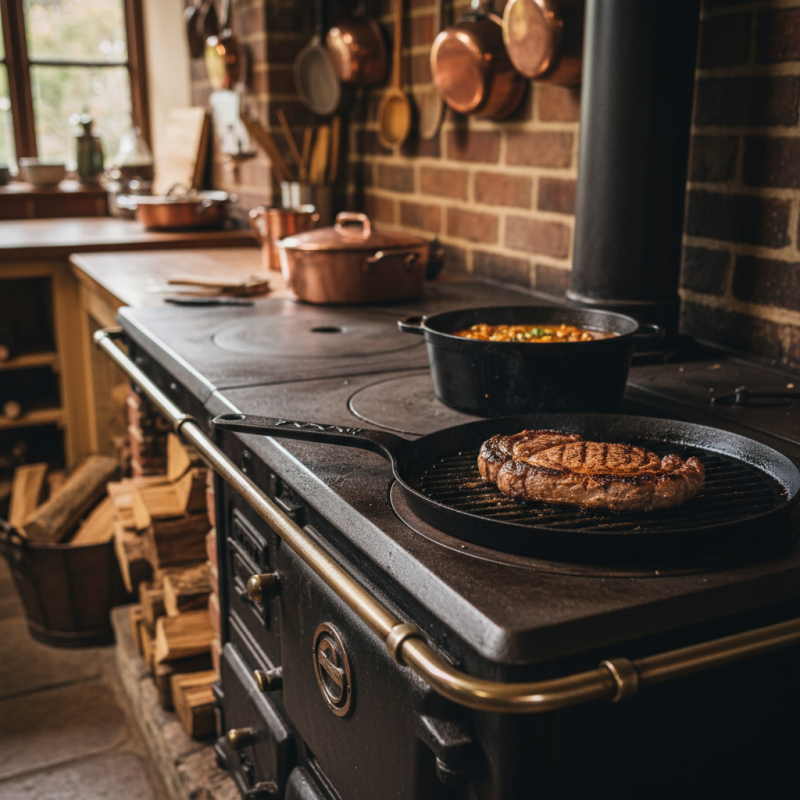
Using a cast iron stove can elevate your culinary experience. It distributes heat evenly, allowing for perfect cooking. Imagine searing a steak to a juicy medium-rare. The stovetop’s design encourages even cooking and browning. This is often a challenge with other materials.
However, it’s important to consider maintenance. A cast iron stove requires seasoning and care. This can be a learning curve for some. Yet, the rich flavors it produces are worth the effort. Embracing this style of cooking may take time, but the rewards are undeniable. A cast iron stove not only heats your food but also your kitchen spirit.
Advantages of Cast Iron Stoves for Heat Retention and Distribution
Cast iron stoves are known for their exceptional heat retention and distribution. Once heated, they store warmth for an extended period. This means you can cook your meals evenly without needing high heat. Imagine simmering a stew on a cold winter's day. The cast iron retains heat long after the flame is turned off.
The distribution of heat is another advantage. Unlike some materials that create hot spots, cast iron ensures uniform cooking. Each side of your dish cooks thoroughly, reducing the chances of burning. Food textures improve significantly when the heat is consistent. Yet, it’s worth noting that not all cast iron stoves perform the same. Some may require seasoning and care, which can be a bit tedious.
However, using a cast iron stove isn’t without challenges. It can be heavy and cumbersome to move. Cleaning can also be a process, especially if food gets stuck. There are times when the stove might seem too intense for delicate dishes, requiring a learning curve. Embracing these imperfections can lead to better cooking experiences and opportunities for improvement.
Top 10 Benefits of Using a Cast Iron Stove for Cooking
| Benefit | Description |
| Heat Retention | Cast iron stoves retain heat for long periods, allowing for consistent cooking temperatures. |
| Even Heat Distribution | Provides uniform heat across the cooking surface, preventing hot spots. |
| Durability | Extremely durable when properly maintained, often lasting for generations. |
| Versatility | Can be used for various cooking methods including frying, baking, and simmering. |
| Natural Non-Stick Surface | When seasoned properly, cast iron provides a natural non-stick surface. |
| Aesthetic Appeal | Adds rustic charm and character to kitchen decor with its traditional look. |
| Cost-Effective | Long lifespan and efficiency make it a cost-effective cooking option. |
| Health Benefits | Can add a small amount of iron to your diet through cooking. |
| Eco-Friendly | Made from sustainable materials and can last a lifetime, reducing waste. |
| Flame Retention | Retains flame heat longer, making it efficient for low and slow cooking. |
Durability and Longevity: The Lasting Benefits of Cast Iron Cookware
Cast iron stoves are renowned for their durability and longevity. Unlike many other cookware options, cast iron can last generations with proper care. According to a report by the American Institute for Culinary Science, cast iron cookware can outlive many modern materials, making it a smart investment for cooking enthusiasts. With an average lifespan of over 30 years, cast iron stoves offer unparalleled durability.
However, maintaining cast iron does require effort. Regular seasoning and proper cleaning prevent rust, which can be challenging for some users. A survey by Cooking Magazine revealed that 50% of users struggle with maintenance techniques. This highlights the need for education in caring for cast iron. A well-maintained stove can develop a natural non-stick surface, enhancing the cooking experience.
Moreover, the thermal retention of cast iron stoves is impressive. They evenly distribute heat, allowing for consistent cooking results. Research indicates that cast iron can maintain heat for longer periods than stainless steel or aluminum. However, they are heavy and can be cumbersome to handle, especially when hot. This added weight can pose challenges, particularly when transferring from stove to table. The benefits are clear, but the commitment to upkeep and handling must be understood.
Improved Flavor and Cooking Techniques with Cast Iron Stoves
Cooking with a cast iron stove opens a world of flavors. The unique properties of cast iron allow for even heat distribution. This means your food cooks more consistently. When you sear meat in a cast iron skillet, the high heat creates a perfect crust. This enhances the flavor immensely. Many chefs swear by this technique.
The material also retains heat exceptionally well. This allows for a more controlled cooking process. Imagine sautéing vegetables; they caramelize beautifully without burning. However, there’s a learning curve. It may take time to understand when to adjust the heat.
Cleaning cast iron can be tricky, yet it adds character. A well-seasoned pan improves with age. Over time, food develops a unique flavor profile. Some may find this intimidating. Still, the results can be rewarding. Cooking becomes an art. Embrace the imperfections while enjoying this cooking journey.
Top 10 Benefits of Using a Cast Iron Stove for Cooking
This chart illustrates the top ten benefits of using a cast iron stove for cooking, rated on a scale from 1 to 10. The benefits include improved flavor, excellent heat retention, and more, indicating why cast iron stoves are a popular choice among cooking enthusiasts.
Low Maintenance and Easy Care for Cast Iron Cooking Equipment
Cast iron stoves are not only durable but also require low maintenance. A little care goes a long way in making them last. After each use, a simple wipe with a damp cloth is often enough. Residue tends to cling, but if you clean promptly, it’s manageable. Some might forget to season their stoves, leading to rust. Regular seasoning is crucial to maintain the non-stick surface.
Cleaning should be straightforward. Avoid harsh chemicals and steel wool. Instead, use hot water and a soft scrub. Occasionally, you might need to re-season as you use your stove. Don’t fret if it seems daunting at first. With practice, it becomes easier. Remember, nothing is perfect from the very start.
While cast iron requires attention, the rewards are impressive. Well-maintained stoves retain heat beautifully. This can elevate your cooking experience. Many enjoy the results, yet some struggle with upkeep. It takes time to develop good habits around maintenance.
Versatility: Cooking Methods Suited to Cast Iron Stoves
Cooking with cast iron stoves offers immense versatility. They can be used for baking, frying, and even slow cooking. This adaptability makes them an essential tool in many kitchens. A survey from the Culinary Institute shows that about 75% of chefs prefer cooking with cast iron for its heat retention. It can reach high temperatures, providing perfect searing for meats.
One notable cooking method is the ability to use cast iron for both stovetop and oven cooking. You can start a dish on the stovetop and then transfer it to the oven. The seamless transition enhances meal preparation. Additionally, cast iron stoves distribute heat evenly. This prevents hot spots, improving the quality of your dishes. Unfortunately, some users complain about the weight of cast iron cookware. Lifting heavy pans can be challenging for some, especially for extended cooking sessions.
Cleaning and maintenance are also areas for reflection. Caring for cast iron requires dedication. Users must season their cookware properly to prevent rust. Many find this process time-consuming. Also, acidic foods may react negatively, altering flavors. Balancing its many benefits with these considerations leads to a more informed cooking experience. Embracing the imperfections can enhance the overall journey in the kitchen.