
reflective workwear plays a crucial role in ensuring safety and visibility in various industries. According to the Bureau of Labor Statistics, over 20,000 workplace injuries occur annually due to visibility issues. This highlights the necessity of using reflective clothing. More than just a fashion statement, reflective workwear is a vital part of personal protective equipment (PPE).
In jobs that require outdoor work, the risk increases during low-light conditions. Workers face dangers from moving vehicles and machinery. A study by the National Institute for Occupational Safety and Health (NIOSH) finds that reflective gear reduces accident rates significantly. This can empower workers to feel safer. However, it's not enough to wear reflective clothing alone. Regular maintenance and proper positioning are essential for maximum effectiveness.
Moreover, the effectiveness of reflective workwear can vary based on design and material. Poor-quality fabrics may not reflect light properly. Different environments require tailored reflective solutions. Employers must assess their specific needs to ensure worker protection. Reflection on these factors leads to improved safety cultures in the workplace.
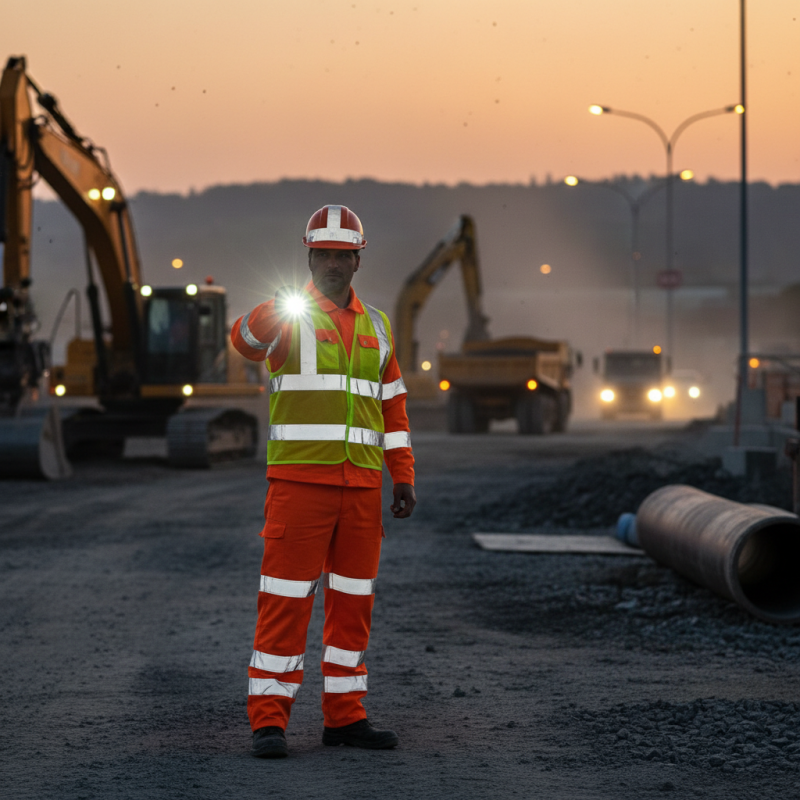
Reflective workwear plays a crucial role in various industries. In construction, workers often face low visibility conditions. Reflective strips on safety vests enhance their presence to machinery operators. This simple addition can prevent accidents.
In logistics, employees work in busy warehouses and loading docks. When they wear reflective gear, they become more noticeable. Forklifts and other vehicles are less likely to overlook them. This can lead to fewer injuries and greater efficiency.
However, not all reflective workwear is created equal. Some workers may not prioritize wearing it consistently. A lack of awareness can lead to risks on the job. In industries like emergency services, visibility is vital. Yet, in daily operations, some workers forget this critical aspect. This lapse can have serious consequences.
Reflective workwear plays a critical role in enhancing safety, especially in low-light conditions. According to the National Safety Council, wearing reflective materials can reduce the chance of accidents by up to 50%. This is crucial for workers in construction, road maintenance, and emergency services. The high visibility offered by reflective fabrics helps in alerting drivers and machinery operators of a person’s presence.
Incorporating retroreflective materials in work attire improves visibility significantly. A report from the Occupational Safety and Health Administration states that enhanced visibility significantly lowers risks of workplace injuries. Workers in reflective gear are 20 times more likely to be seen at night than those without. The sheer contrast between reflective tape and the surrounding environment makes a life-saving difference.
Despite these advantages, not all reflective workwear is created equal. Some designs may not provide adequate coverage or durability. Workers should periodically assess their gear's effectiveness. Inspecting for wear and tear is crucial, as damaged materials can compromise safety. Regular reflections on the adequacy of safety wear can help organizations make better choices for their teams.
Reflective workwear plays a crucial role in ensuring safety and visibility, particularly in low-light conditions. According to the Bureau of Labor Statistics, work-related accidents increase significantly when visibility is poor. Around 20% of construction site accidents are attributed to inadequate lighting. This is where reflective workwear can make a difference. Its bright colors and reflective strips help ensure that workers are seen, even in dim or hazardous environments.
In testing conducted by the Occupational Safety and Health Administration, reflective gear was shown to increase visibility by up to 300%. This statistic highlights the life-saving impact of such apparel. Workers in urban settings, for example, often find themselves navigating busy streets. When combined with proper site lighting, reflective wear enhances safety margins dramatically. However, not all reflective workwear is created equal. Some materials wear out quickly, losing their visibility over time. This can lead to dangerous situations if workers are not recognized at a distance.
Additionally, poor maintenance of reflective clothing can negate the benefits it offers. Regular inspections are essential. Torn fabric or faded materials lose effectiveness. It’s a reminder that even the best gear needs care. There’s a responsibility for both employers and workers to prioritize visibility. It isn’t just about having reflective workwear; it's about making sure it does its job effectively.
| Benefit | Description | Impact on Safety | Impact on Visibility |
|---|---|---|---|
| Enhanced Visibility | Reflective materials increase visibility in dark environments. | Reduces accidents and increases worker safety. | Improves visibility against a variety of backgrounds. |
| Injury Prevention | Visible workwear helps in preventing accidents from equipment and vehicles. | Lower injury rates on job sites. | Enhances awareness among coworkers and operators. |
| Compliance with Regulations | Meets industry standards for safety gear in workplaces. | Ensures legal compliance and minimizes penalties. | Standardizes visibility expectations across industries. |
| Increased Confidence | Workers feel safer and more secure in visible gear. | Boosts morale and confidence among employees. | Encourages proactive safety measures. |
| Durability | High-quality reflective gear is often constructed to withstand wear. | Long-lasting safety gear reduces the need for frequent replacements. | Visibility support remains consistent over longer periods. |
| Multi-Weather Performance | Designed to perform under various weather conditions, including rain, snow, and fog. | Workers are protected regardless of the weather. | Visibility is maintained even in adverse conditions. |
| Cost-Effectiveness | Investing in quality workwear can save costs from injuries and accidents. | Reduces medical and insurance costs over time. | Long-term savings through improved safety. |
| Customizability | Reflective workwear can be customized for different industries and roles. | Tailored safety solutions ensure better fit for safety requirements. | Improved visibility design enhances recognition. |
| Style and Comfort | Modern reflective wear is designed for comfort and style. | Encourages use of safety gear among workers. | Appealing design maintains visibility without compromising comfort. |
| Emergency Visibility | In emergency situations, reflective gear ensures quick identification. | Enables faster response from emergency services. | Critical for rescue operations in low-light scenarios. |
Reflective workwear plays a crucial role in maintaining safety and visibility in various work environments. Compliance with occupational safety standards ensures that employees are equipped to handle risks effectively. Wearing high-visibility clothing can significantly reduce the likelihood of accidents. Properly designed reflective gear can help workers stand out, especially in low-light conditions.
In addition to increasing visibility, reflective workwear often features durable materials. These materials withstand harsh weather conditions, making them suitable for outdoor jobs. However, it's important to choose items appropriate for specific job requirements. Overlooking quality can lead to premature wear. Workers should inspect their gear regularly to ensure it meets safety standards.
**Tip:** Always check for reflective strips and vibrant colors on your workwear. These features improve visibility at night or in foggy conditions. Consider the fit—clothing that is too loose or too tight can hinder movement and compromise safety. Staying compliant with safety standards isn't just a requirement; it's a commitment to personal and team safety.
Reflective workwear plays a crucial role in boosting worker confidence and comfort. When employees feel safe and visible, their overall morale improves. Bright colors and reflective materials not only enhance visibility but also create a sense of security. This, in turn, allows workers to focus better on their tasks.
Consider your work environment. If you often operate in low-light conditions, investing in quality reflective gear becomes essential. This choice can directly impact how comfortable you feel during your shifts. Remember, comfort goes beyond fit; it includes how safe the clothing makes you feel in your surroundings.
Tips for selecting reflective workwear include checking for breathability. Fabrics that allow air circulation help you stay cool and reduce discomfort. Additionally, prioritize fit over brand. Ill-fitting clothes can lead to frustration and distraction. Aim for styles that allow freedom of movement while ensuring visibility. Reflective workwear should enhance your confidence at work, not hinder it.