2026 Top Construction Business Trends You Need to Know?
In the ever-evolving landscape of the Construction Business, staying ahead of trends is paramount. Industry expert John Thompson, a leading consultant in construction innovation, once said, "Adapting to change is crucial for success in today’s construction world." As we approach 2026, several key trends are shaping the industry. New technologies, sustainability practices, and workforce challenges are emerging swiftly.
The push for sustainability is no longer optional. Green building practices are gaining traction. More companies are investing in eco-friendly materials and energy-efficient designs. This shift not only meets regulatory demands but also appeals to environmentally conscious clients. Meanwhile, technological advancements like AI and construction automation are transforming project management and efficiency.
However, the Construction Business also faces hurdles. Labor shortages and rising material costs pose significant challenges. Companies must rethink their recruitment strategies and supply chain management. Embracing these trends and addressing challenges will be essential for thriving in the future of construction. The landscape is complex, but opportunities abound for those willing to adapt.
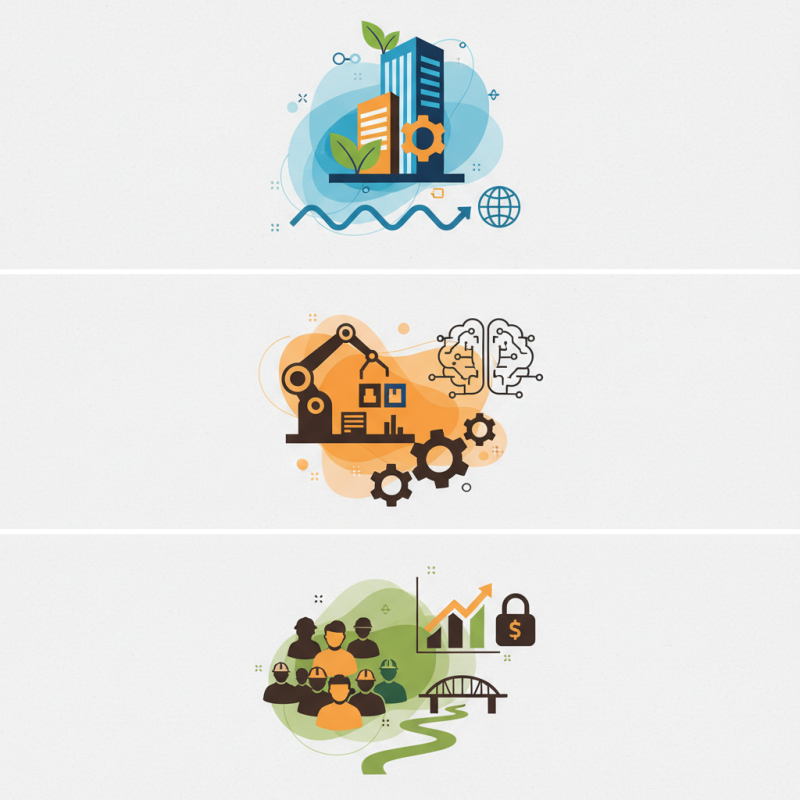
Emerging Technologies Transforming the Construction Industry in 2026
The construction industry is on the brink of a revolution, driven by emerging technologies. In 2026, we will see significant advancements like AI, augmented reality, and advanced robotics. These tools promise to optimize efficiency and enhance safety on job sites. For instance, AI can analyze data from past projects to inform future designs, improving project outcomes.
Tips: Embrace new technologies gradually. Introduce AI solutions in small phases before full implementation. This allows teams to adapt and ensures smooth integration.
Furthermore, augmented reality can provide real-time data overlays on construction sites. Workers equipped with AR glasses can visualize structural elements before they are built. This minimizes errors and enhances communication among teams. However, training staff to utilize these tools can be challenging. It may take time for everyone to gain proficiency.
Tips: Focus on user-friendly training sessions. Engage with employees to understand their struggles with new tech. Gathering feedback ensures better adoption rates and helps refine the training processes.
2026 Top Construction Business Trends You Need to Know
| Trend | Description | Expected Impact | Implementation Year |
|---|---|---|---|
| Building Information Modeling (BIM) | Enhanced visualizations and project management through digital modeling. | Improved efficiency and reduced project delays. | 2026 |
| 3D Printing | Utilizing 3D printers for on-site construction of components. | Significant cost reduction and waste minimization. | 2026 |
| Sustainable Construction Materials | Increased use of eco-friendly and recycled materials. | Lower carbon footprint and compliance with regulations. | 2026 |
| Augmented Reality (AR) | Using AR for project visualization and on-site guidance. | Enhanced design accuracy and client engagement. | 2026 |
| Drones in Construction | Employing drones for site surveys and monitoring. | Increased safety and real-time data collection. | 2026 |
Related Posts
-

Exploring Alternative Approaches to General Construction: Innovations and Options
-

Unlocking Success: Essential Tips for Choosing the Right General Contractor Services Globally
-
7 Secrets to Mastering General Construction for Your Next Project
-

The Ultimate Guide to Choosing the Right General Contractor Services for Your Global Procurement Needs
-
Unlocking Success: How to Choose the Best Construction Project with Essential Technical Specifications
-

Understanding Global Standards for Best Construction General Contractors